Weather in brief
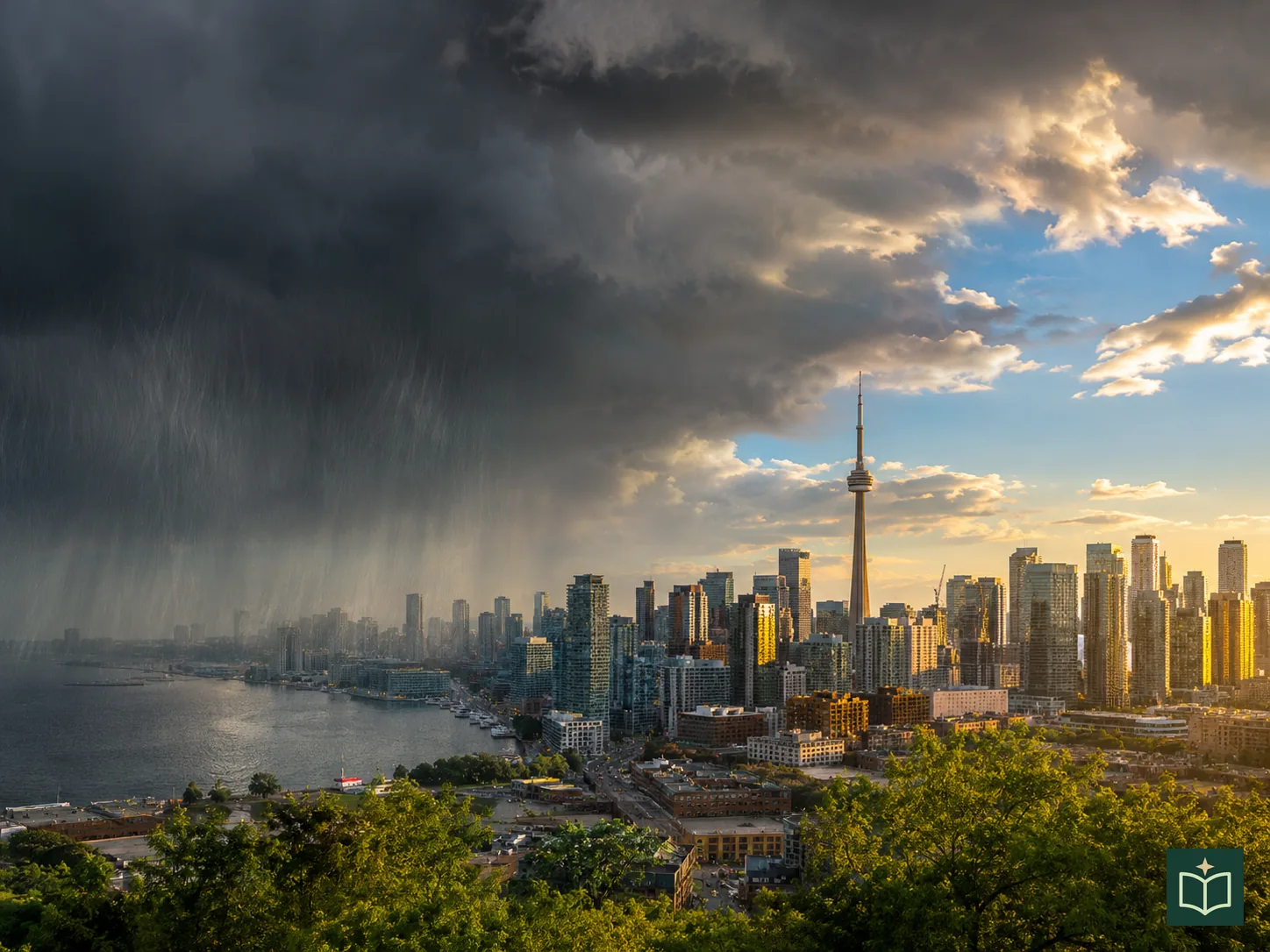
Weather is the state of the atmosphere at a particular place and time: sunshine or cloud, temperature, humidity, wind and precipitation. It changes by the hour and is forecast a few days ahead with useful accuracy. A sandstorm in Abu Dhabi tomorrow or a heatwave next week are weather events.
Climate in brief
Climate describes the typical conditions and the range of variation over long periods—usually at least 30 years. Dubai’s climate is hot desert, with very hot, humid summers and mild winters. Climate includes how often extremes occur, not just averages: how many days above 45°C, or how frequently heavy rain falls.
How they connect
Climate shapes the odds for weather. As the global climate warms, the odds shift: heat extremes become more frequent and intense, and heavy rainfall events become heavier in many regions. Attribution science estimates how much climate change has made particular events more likely, without claiming any one day was caused by climate change alone.
Common mix-ups
A cold winter in one city does not cancel a global warming trend, just as one hot day does not prove it. Scientists look at global averages across land and ocean, over many years. Natural variability, such as El Niño, can push individual years above or below the long-term trend, which is why decades matter more than single years.
Sources & further reading
Figures are rounded and widely published; check the linked organisations for the latest editions. These organisations do not endorse this website.