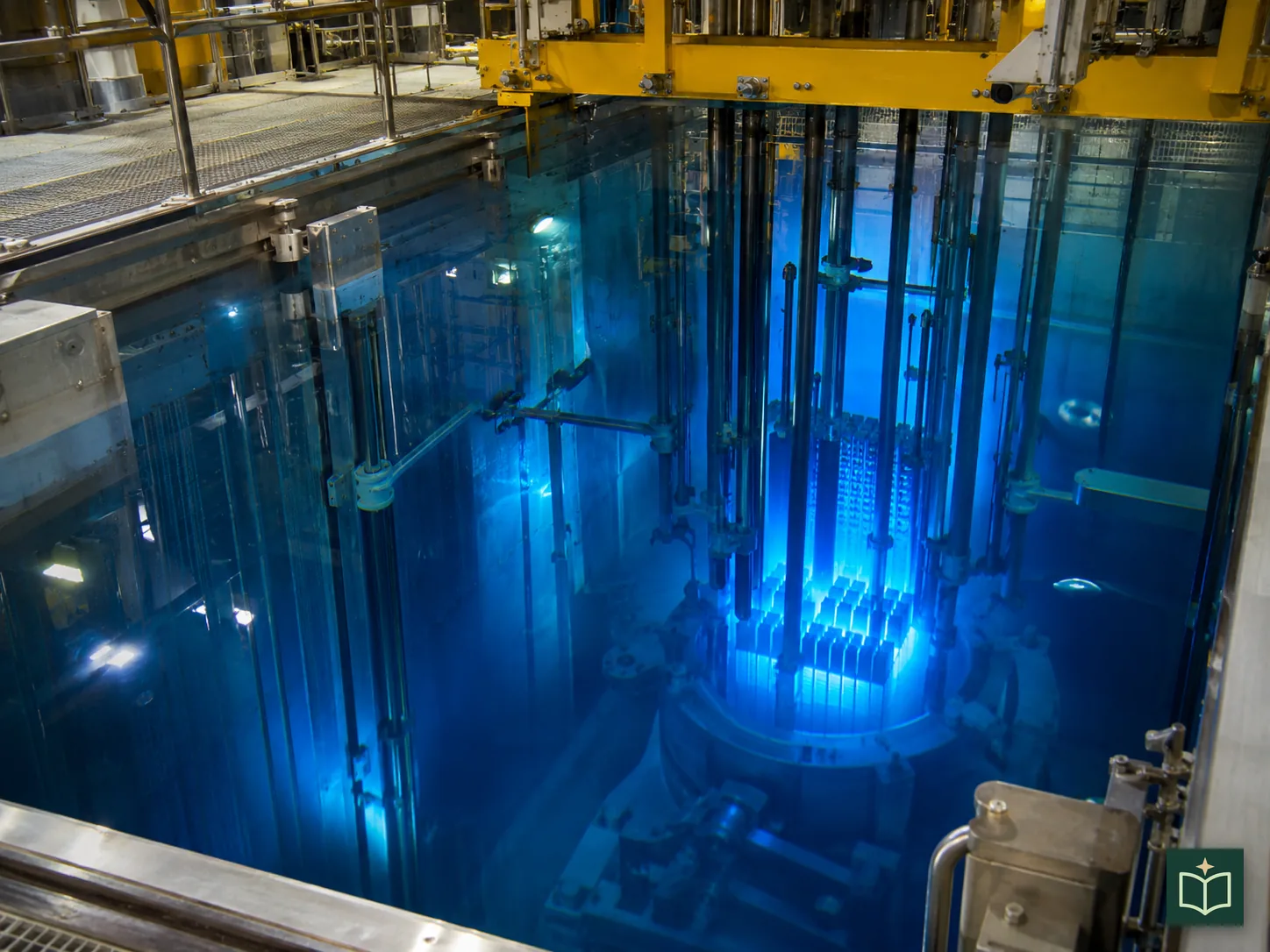
Fission
In a fission reactor, a uranium-235 nucleus absorbs a neutron and splits into smaller nuclei, releasing energy and two or three neutrons. Those neutrons can split more nuclei, creating a controlled chain reaction. The heat produces steam that drives turbines. Fission was discovered in 1938, and the first commercial nuclear power stations opened in the 1950s.
Fusion
Fusion joins light nuclei, typically deuterium and tritium (forms of hydrogen), into helium, releasing more energy per kilogram of fuel than fission. It requires temperatures above 100 million degrees Celsius, so the fuel becomes a plasma that must be confined by powerful magnets or compressed by lasers.
Progress and challenges
In December 2022, the US National Ignition Facility achieved a fusion reaction that released more energy than the laser energy delivered to the fuel—a scientific milestone, though the facility as a whole used far more energy. The international ITER project in France and numerous private companies are working towards practical fusion power plants.
Waste and safety
Fission produces long-lived radioactive waste that needs secure storage, and reactors must be designed to prevent accidents. Fusion does not produce long-lived high-level waste of the same kind and cannot run away in a chain reaction, but reactor materials become radioactive and tritium must be handled carefully. The UAE’s Barakah plant is a fission station supplying a significant share of the country’s electricity.
Sources & further reading
Figures are rounded and widely published; check the linked organisations for the latest editions. These organisations do not endorse this website.