A city in the marshes
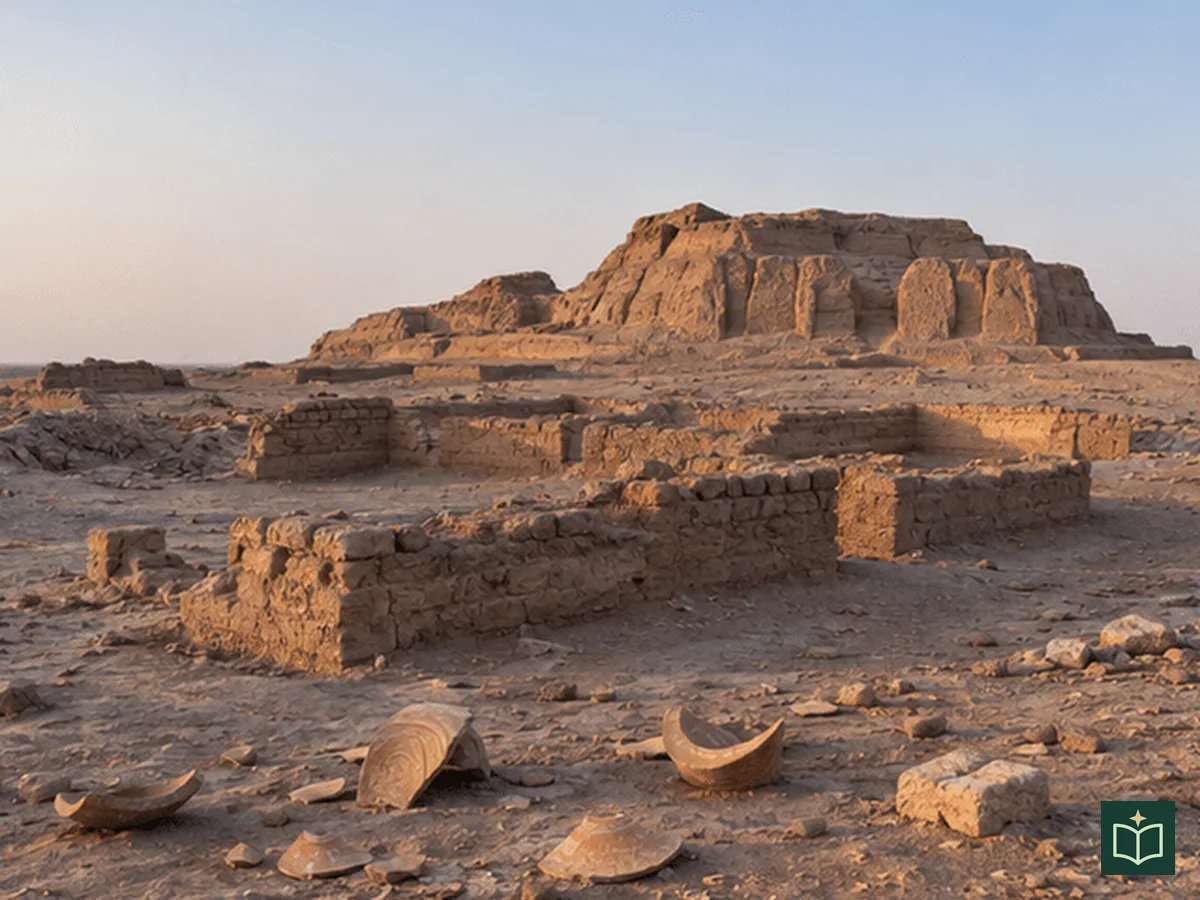
Uruk lies in southern Iraq, about 250 kilometres south-east of Baghdad, in a landscape of river channels, reed marshes and flat alluvial plain. Today the site is called Warka, a spread of mounds and eroded mud brick. Some six thousand years ago this was one of the most fertile places on Earth. People had farmed and fished here for centuries in scattered villages. Then, during what archaeologists call the Uruk period, roughly 4000 to 3100 BC, one settlement outgrew all the others. By around 3100 BC it may have housed tens of thousands of people, with estimates often around 40,000, making it plausibly the largest settlement anywhere at that time.
Barley, canals and a surplus
The foundation of the city was food. Rain in southern Mesopotamia is too scarce for dependable farming, but the Euphrates could be tapped. Farmers cut canals to carry river water across the fields and harvested barley, dates and flax, while herds of sheep and goats grazed the margins. Irrigated land here could be remarkably productive, so a farming family could grow far more than it needed. That surplus is what made Uruk possible. Grain could be gathered into central stores and paid out to people who never farmed at all. Rivers and canals also served as roads, letting boats carry bulky goods such as grain, reeds and timber cheaply.
Temples on high platforms
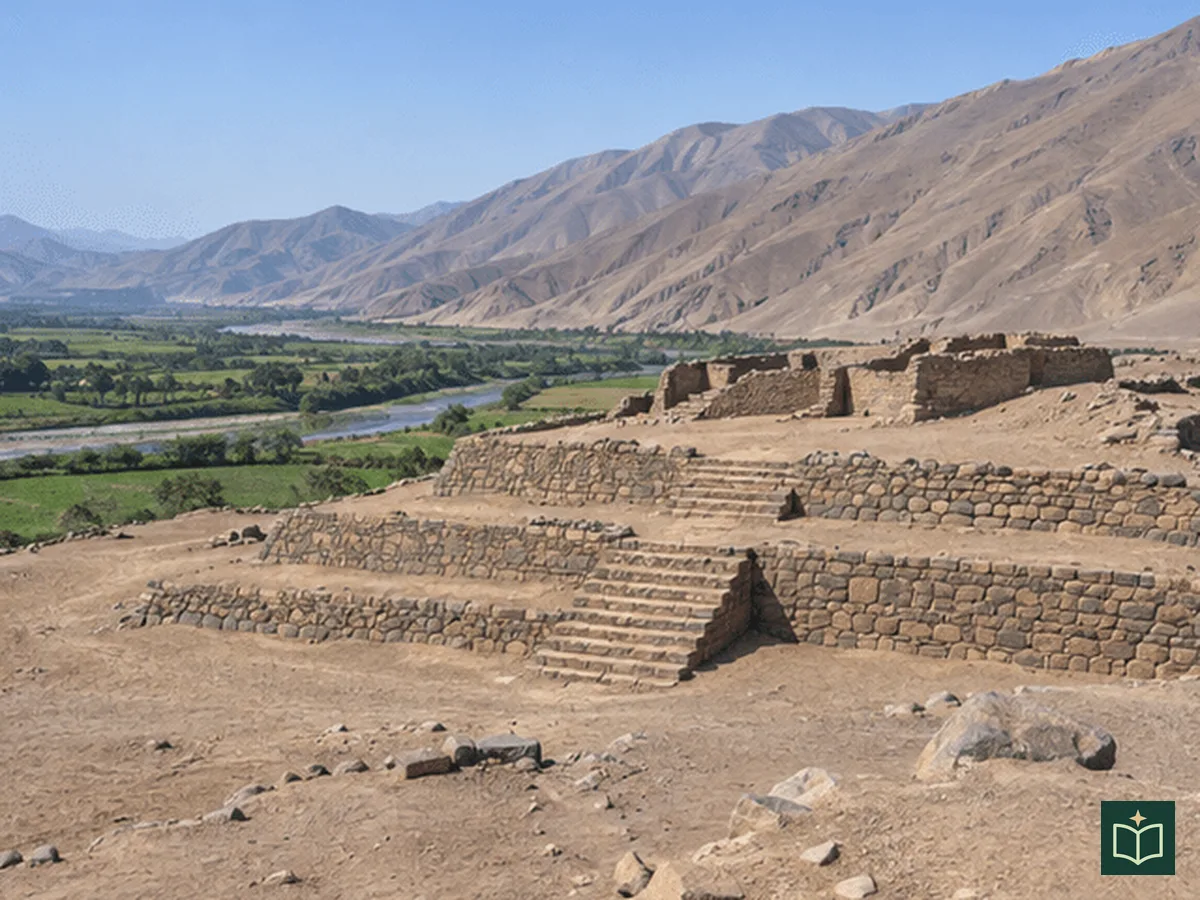
Two great precincts dominated the city. The Eanna district, dedicated to Inanna, goddess of love and war, held a cluster of large buildings with columns decorated by thousands of coloured clay cones pressed into the walls in patterns. In the Anu district, a temple plastered white stood on a raised platform about 13 metres high, an early forerunner of the stepped ziggurats built later across Mesopotamia. These were not only places of worship. Temples owned land, herds and workshops, received offerings and handed out rations. Building them took a vast, organised workforce, and the sheer size of the structures announced the wealth and authority of the institutions that commanded it.
Rations, records and officials
Managing a city-sized economy required administrators. Archaeologists find huge numbers of bevelled-rim bowls at Uruk sites: crude, mould-made vessels of similar size, which many researchers think were used to dole out daily rations of grain or bread to workers. Officials sealed jars and doors with cylinder seals, small carved stones rolled across wet clay to mark ownership or approval. By around 3300 BC scribes at Uruk were pressing signs into clay tablets to record quantities of barley, beer, livestock and labour. These proto-cuneiform tablets are among the earliest writing in the world, and most are simply accounts. Writing, in other words, began as bookkeeping for the city’s stores.
Specialist workers
Once food could be distributed centrally, people could spend their lives on a single craft. Early lists from Uruk name dozens of titles and professions, from priests and officials to cooks, gardeners, smiths and potters. The potter’s wheel came into wide use, allowing fast production of standard vessels. Weavers turned wool from temple flocks into textiles that became a major export. Metalworkers, stone carvers and seal cutters produced goods for the elite and for trade. Raw materials the plain lacked, including timber, stone and metals, came from distant highlands. During this period, settlements with Uruk-style pottery and buildings appeared far up the Euphrates in Syria and south-east Turkey, suggesting outposts linked to this trade.
Walls, kings and legacy
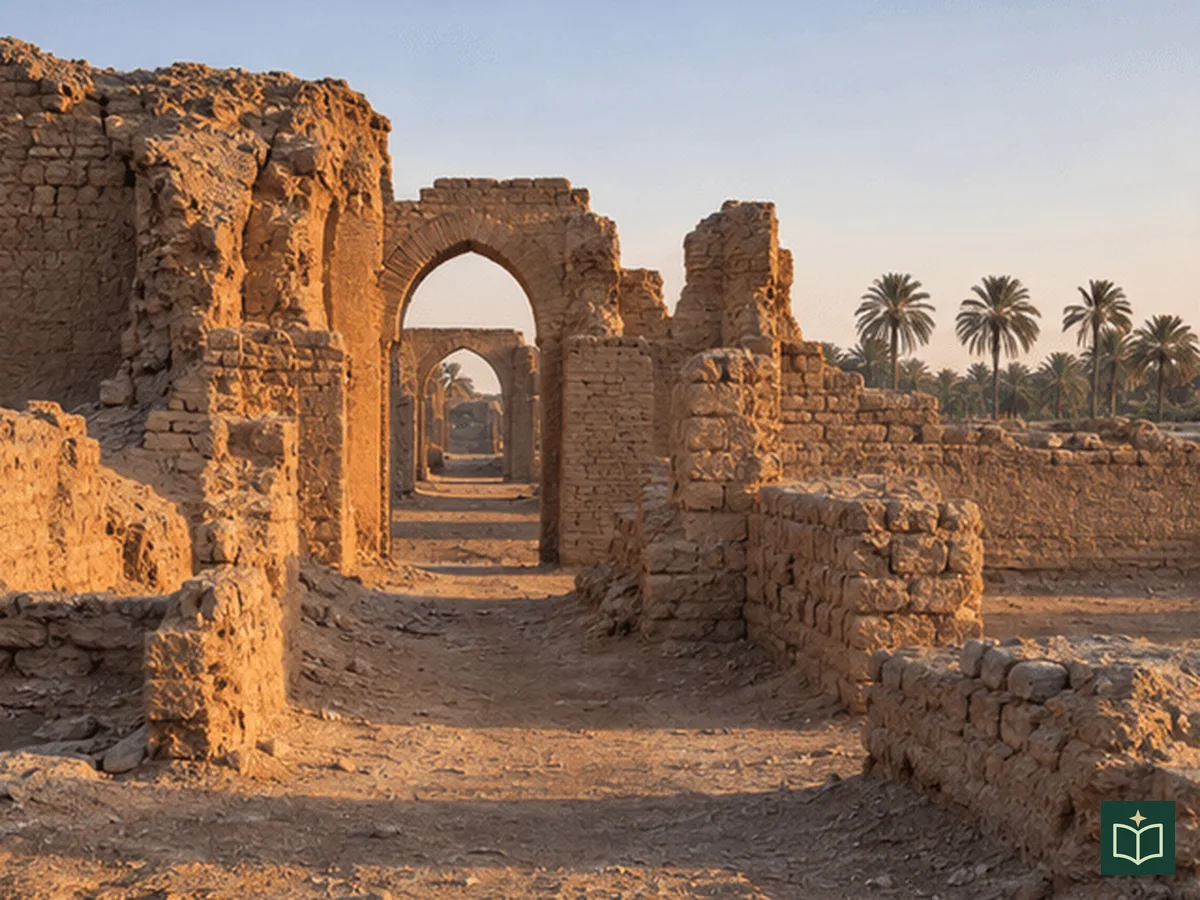
Around 2900 BC Uruk’s builders enclosed the city with a wall about 9 kilometres long, set with hundreds of semicircular towers. Later Mesopotamian tradition credited it to Gilgamesh, a king of Uruk who became the hero of the world’s best-known early epic. Whether or not he existed, the poem opens by praising the wall and the city it protected. Over the following centuries, rival city-states such as Ur, Lagash and Kish grew to match Uruk, though the city remained inhabited, on and off, for thousands of years. German expeditions have excavated there since 1912, and in 2016 Uruk was included in a UNESCO World Heritage listing for southern Iraq’s marshes and ancient cities.
Sources & further reading
- Britannica · Uruk ↗
- UNESCO World Heritage · The Ahwar of Southern Iraq ↗
- The Metropolitan Museum of Art · Uruk: The First City ↗
Figures are rounded and widely published; check the linked organisations for the latest editions. These organisations do not endorse this website.