What it is
The Universal Periodic Review, or UPR, is a process run by the UN Human Rights Council in Geneva. It was created in 2006, when the General Assembly established the Council, and the first round of reviews began in 2008. Its defining feature is universality: every one of the 193 UN member states is examined, whatever its size, power or reputation. The review covers the full range of human-rights obligations, including the UN Charter, the Universal Declaration of Human Rights, the treaties a state has ratified and voluntary pledges it has made. Each full cycle takes about four and a half years, so every country comes up for review again regularly.
Three sets of documents
A review starts with paperwork. The state under review submits a national report describing its laws, policies and progress. The UN human-rights office compiles a second document from information already produced by UN treaty bodies, independent experts and agencies. A third document summarises submissions from other stakeholders, such as national human-rights institutions, non-governmental organisations and academics. Each document is subject to strict length limits so that reviewers can digest them. Governments are encouraged to consult widely when preparing their national report. Together, the three documents give reviewing states a picture of the country's record from official, UN and independent perspectives before the formal session in Geneva begins.
The interactive dialogue
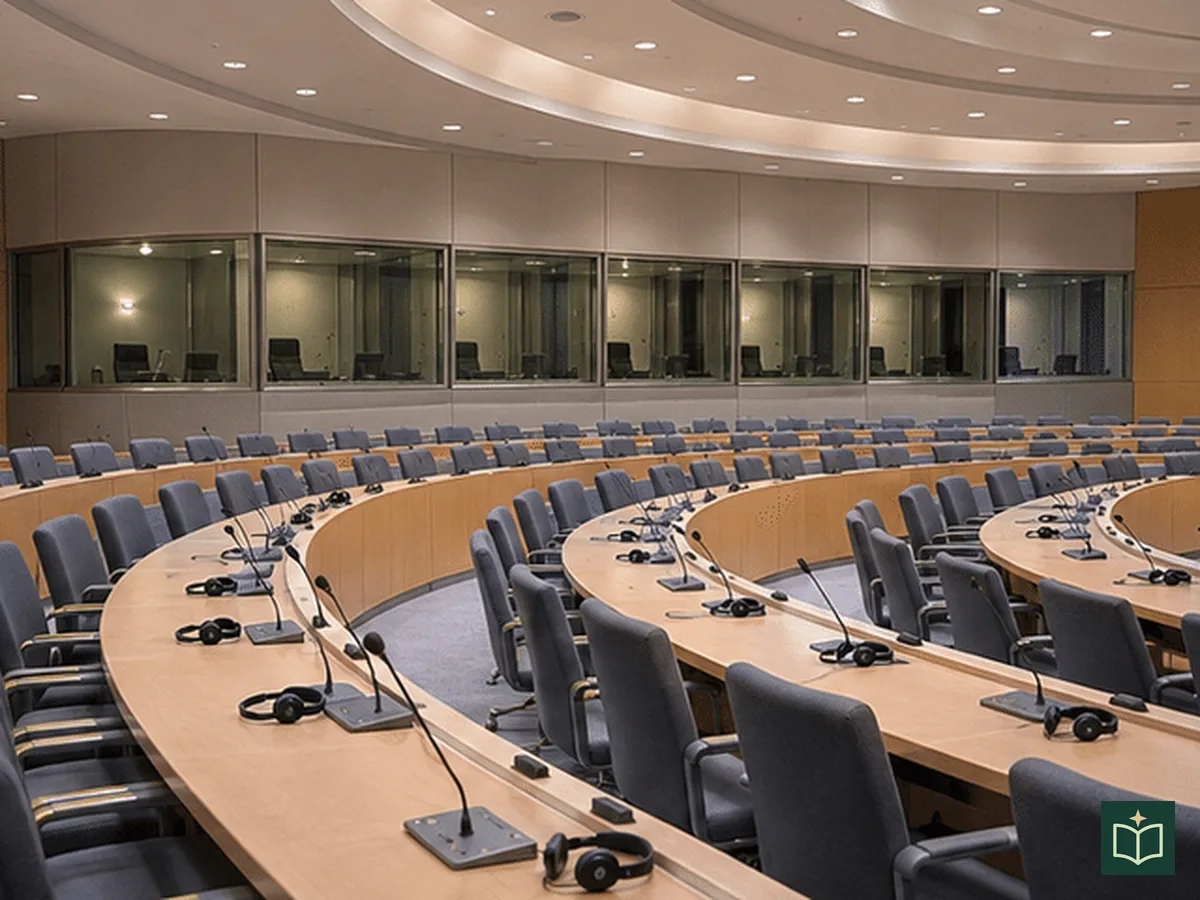
The review itself takes place in a working group made up of the Council's 47 members, but any UN member state may take the floor. The state under review, usually represented by a minister or senior official, presents its report. Other governments then make statements, ask questions and offer recommendations, each speaking for a minute or two because so many wish to take part. Sessions last about three and a half hours and are broadcast online. Three states, drawn by lot and known as the troika, help prepare the outcome report. A single review can produce well over 200 recommendations, ranging from ratifying a treaty to changing a specific law.
Supported or noted
After the session, the state under review must respond to each recommendation. It can either support it, signalling that it accepts and intends to act on it, or note it, which means it does not commit to implementing it. States sometimes explain their reasons, for example that a recommendation conflicts with their constitution or that it is already being implemented. The final outcome is adopted at a later plenary session of the Human Rights Council, where non-governmental organisations can also comment. Like every other member, the UAE has gone through each cycle, presenting reports in Geneva and responding to the recommendations made by other states.
Strengths and criticisms
Supporters praise the UPR because no state has been exempt and participation has been near-total since it began, unlike some older human-rights mechanisms. It gives governments a structured reason to review their own laws and gives civil society a fixed calendar for advocacy. Critics note that recommendations are only as strong as states make them. Friendly governments may offer gentle suggestions to allies, some recommendations are vague, and the process has no power to enforce anything. Researchers have found that recommendations a state supports are more likely to lead to action than those it merely notes, but implementation varies widely from country to country.
Following up
The UPR is designed as a cycle rather than a one-off event. At its next review, a state is expected to report on what it has done with the recommendations it supported, and other states can ask about progress. Many governments now submit voluntary mid-term reports and set up national committees to track implementation. Because every review is public and archived, the process builds a long record showing how each country's commitments and responses have changed over time. For readers, a UPR outcome is a useful starting point: it shows which issues other governments raised, and which commitments a country chose to accept.
Sources & further reading
Figures are rounded and widely published; check the linked organisations for the latest editions. These organisations do not endorse this website.