A total ban
The Chemical Weapons Convention was opened for signature in 1993 and entered into force on 29 April 1997. It goes further than earlier agreements. The 1925 Geneva Protocol had banned the use of chemical weapons in war but not their production or stockpiling. The convention prohibits developing, producing, acquiring, stockpiling, transferring and using them, and requires states to destroy any they hold. It also bans riot-control agents, such as tear gas, as a method of warfare, though they remain permitted for domestic law enforcement. With 193 states parties, it is one of the most widely joined arms-control treaties; only a handful of countries remain outside it.
The watchdog in The Hague
To make the ban credible, the convention created the Organisation for the Prohibition of Chemical Weapons, the OPCW, based in The Hague. It has a Conference of the States Parties, an Executive Council of 41 members and a technical secretariat that employs inspectors, chemists and analysts. Its laboratory and a network of designated laboratories around the world analyse samples. In 2013, the OPCW was awarded the Nobel Peace Prize for its work to eliminate chemical weapons. The organisation also provides training and assistance, helping states protect themselves against chemical attacks and build national systems to implement the convention, including laws that make violations a crime.
Destroying the stockpiles
On joining, states had to declare any chemical weapons and former production facilities. Several countries declared large stockpiles left over from the Cold War, as well as munitions from earlier conflicts. Destruction was slow and expensive, using incineration or chemical neutralisation at specialised plants, with OPCW inspectors present to verify every stage. Deadlines were extended more than once. In July 2023, the OPCW confirmed that all declared stockpiles had been destroyed, a total of about 72,000 tonnes of chemical agent. Old and abandoned weapons, such as shells buried since the world wars, are still being recovered and destroyed in several countries.
Watching the chemical industry
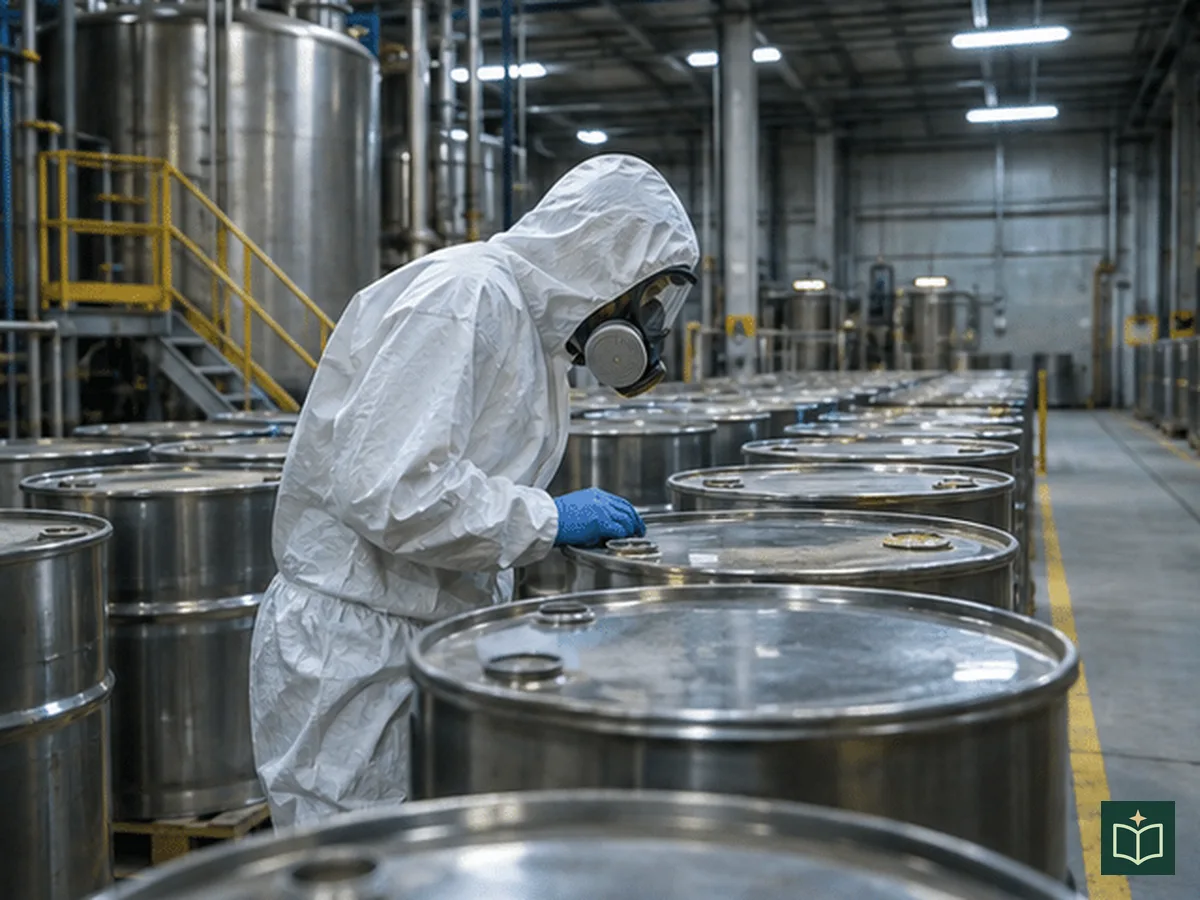
The hardest task is preventing new weapons, because many toxic chemicals have legitimate uses. The convention groups chemicals into three schedules. Schedule 1 covers agents with little peaceful use, such as sarin and VX. Schedule 2 covers precursors with limited commercial applications. Schedule 3 covers chemicals produced in large quantities for industry, such as phosgene and hydrogen cyanide, which were once used as weapons but are now vital in making plastics and other products. States must declare relevant industrial sites above set thresholds. Thousands of declared facilities worldwide are subject to routine OPCW inspection, and inspection teams visit hundreds of them every year, in every region of the world.
When use is alleged
The convention also allows a state to request a challenge inspection of any site in another state party at short notice, though this power has never been formally used. In practice, allegations of chemical use have been handled through fact-finding missions, which establish whether chemicals were used as weapons. In 2018, member states gave the OPCW a further mandate to identify those responsible in certain cases. These investigations have produced detailed reports, some of them politically contested in the Executive Council. The OPCW itself does not impose punishments; enforcement depends on decisions by member states, the UN Security Council or national courts.
Why it matters
The convention shows that a whole category of weapons can be outlawed and verified on a near-global scale. Its success rests on a combination of declarations, inspections, laboratory analysis and the cooperation of chemical companies. Its limits are also clear: verifying that no hidden programme exists is difficult, and the ban depends on states' willingness to respond to violations. The contrast with biological weapons is striking, because the treaty banning those has no comparable verification body. As chemistry advances and new compounds are developed, the OPCW's scientific advisers continually review whether the schedules and inspection methods remain fit for purpose.
Sources & further reading
Figures are rounded and widely published; check the linked organisations for the latest editions. These organisations do not endorse this website.