From conference to organisation
The Organization for Security and Co-operation in Europe grew out of a Cold War negotiation. The Conference on Security and Co-operation in Europe brought together states from both blocs and the neutral countries, and in 1975 their leaders signed the Helsinki Final Act. It set out principles such as the inviolability of frontiers and respect for human rights, alongside cooperation on economics and the environment. After the Cold War, the conference gained permanent institutions and in 1995 became the OSCE. With 57 participating states stretching from Canada and the United States across Europe to Russia and Central Asia, it is often described as reaching from Vancouver to Vladivostok.
Three dimensions of security
The OSCE uses a comprehensive view of security, divided into three dimensions. The politico-military dimension covers arms control, military transparency and confidence-building measures such as exchanging information about armed forces and inviting observers to exercises. The economic and environmental dimension deals with issues such as good governance, border management and environmental risks. The human dimension covers democracy, the rule of law, media freedom, minority rights and elections. The idea, inherited from Helsinki, is that lasting security depends not only on balancing armies but on how states treat their own citizens and cooperate with neighbours, so the organisation works across all three areas at once.
Decisions by consensus
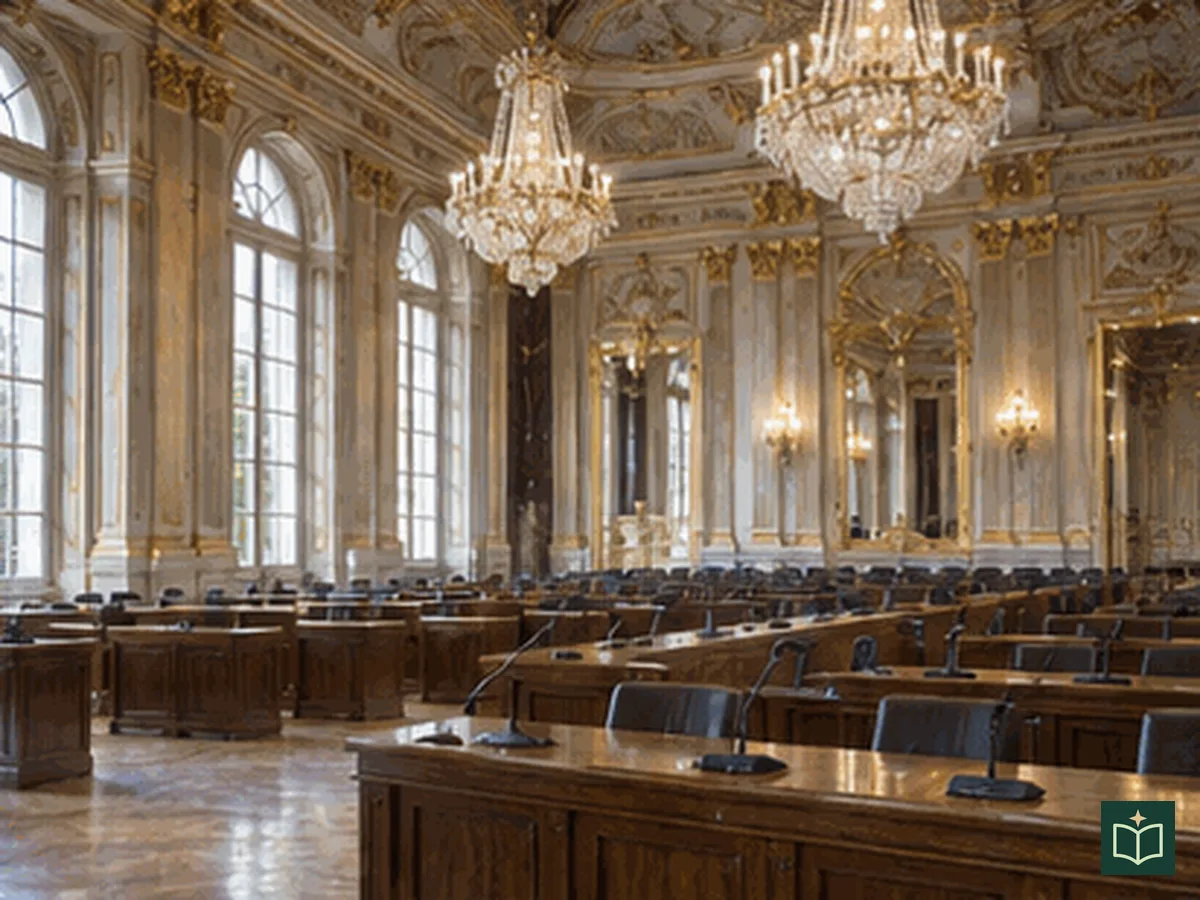
The OSCE calls its members participating states, and all decisions are taken by consensus, meaning no state objects. The main regular body is the Permanent Council, which meets weekly in Vienna at ambassador level. A Ministerial Council of foreign ministers meets each year, and occasional summits bring together heads of state. Leadership rotates annually: the foreign minister of the chairing country serves as Chairperson-in-Office, working with the previous and next chairs. A Secretary General heads the Secretariat in Vienna. OSCE commitments are politically rather than legally binding. They carry weight because every state has agreed to them, but there is no court to enforce them.
Institutions and field missions
Several specialised institutions carry out much of the practical work. The Office for Democratic Institutions and Human Rights, based in Warsaw, observes elections and advises on law and human rights. The High Commissioner on National Minorities, in The Hague, works quietly to prevent tensions over minority issues from escalating. The Representative on Freedom of the Media, in Vienna, monitors media freedom. The OSCE also runs field operations, established with the host country's agreement, in parts of South-Eastern Europe, Eastern Europe, the South Caucasus and Central Asia. These missions support reforms in areas such as policing, judicial training, border security and elections, and some have also monitored ceasefires.
Election observation
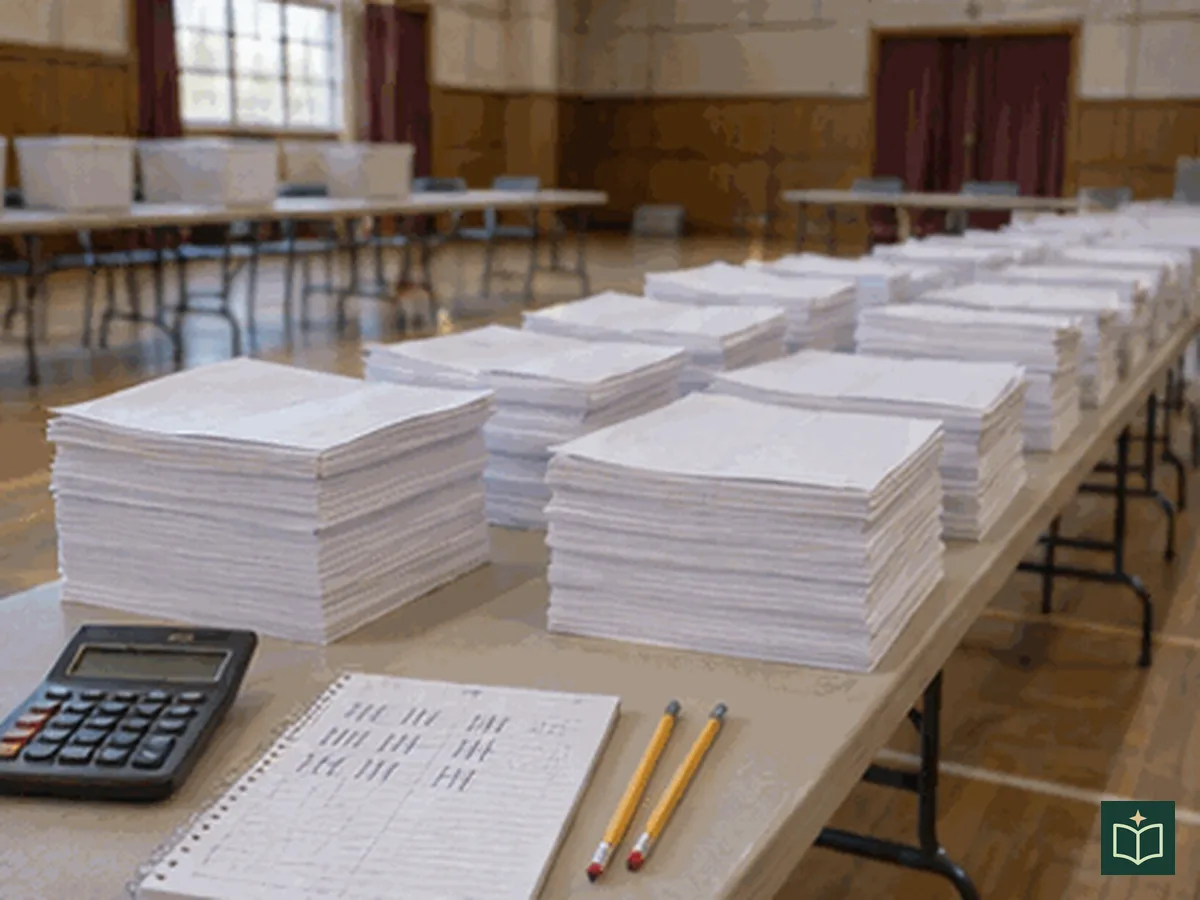
The OSCE is best known to many people through its election observers. Under its commitments, participating states invite observers to their national elections. The Warsaw office deploys a core team weeks before polling day, followed by larger numbers of short-term observers, often joined by members of the OSCE Parliamentary Assembly. Missions assess the legal framework, the campaign, media coverage, voting and counting against shared standards, then publish a preliminary statement shortly after the vote and a final report with recommendations. They do not certify results or declare winners. Their reports are frequently cited by governments, parties and courts, and form a long-running record of electoral practice across the region.
Strengths and limits
The OSCE's inclusiveness is its greatest asset: it is one of the few forums where all European states, the United States, Canada, Russia and the Central Asian countries sit at the same table. But consensus also gives every state a veto over budgets, mandates and leadership appointments, and disagreements among major members have at times delayed decisions or closed field missions. The organisation has no army and cannot impose its will. Its influence depends on dialogue, expertise and the willingness of states to honour their commitments. For readers, OSCE reports and statements offer a useful window on security and governance across a vast region, viewed through standards its members have agreed together.
Sources & further reading
Figures are rounded and widely published; check the linked organisations for the latest editions. These organisations do not endorse this website.