A hazard without a clear start
Most natural hazards announce themselves: an earthquake strikes, a storm arrives. Drought creeps in. It is defined not as dryness itself but as a period that is drier than normal for that place, long enough to cause problems. A month without rain is ordinary in Dubai but would be a serious drought in Ireland. Because drought develops slowly and spreads across wide areas, it is often recognised only once its effects are visible. Scientists have therefore split it into stages, each tracked with different measurements, to follow how a rainfall shortage turns into a shortage of water people actually use.
Meteorological drought
The first stage is meteorological drought: rainfall well below the long-term average for a place over weeks, months or seasons. Forecasters measure it with indices such as the Standardised Precipitation Index, which compares recent rainfall with the historical record for that location and season. Heat and wind make it worse by increasing evaporation. Meteorological drought can begin and end quickly. A few wet weeks can bring rainfall back to normal on paper, even if the land has not yet recovered. That gap between the weather returning to normal and the land returning to normal is the key to understanding why droughts linger.
Agricultural drought
When the shortfall dries the soil below what crops and pasture need, it becomes agricultural drought. Its timing depends on what is growing and when: a dry month during planting or flowering can damage a harvest more than a dry month in winter. Hot spells accelerate it. Scientists have also described flash droughts, which can develop in a few weeks when intense heat, wind and sunshine strip moisture from soils that were wet shortly before. Satellites now monitor soil moisture and the greenness of vegetation, helping governments and aid agencies spot failing crops and pasture before harvest figures confirm the damage.
Hydrological drought
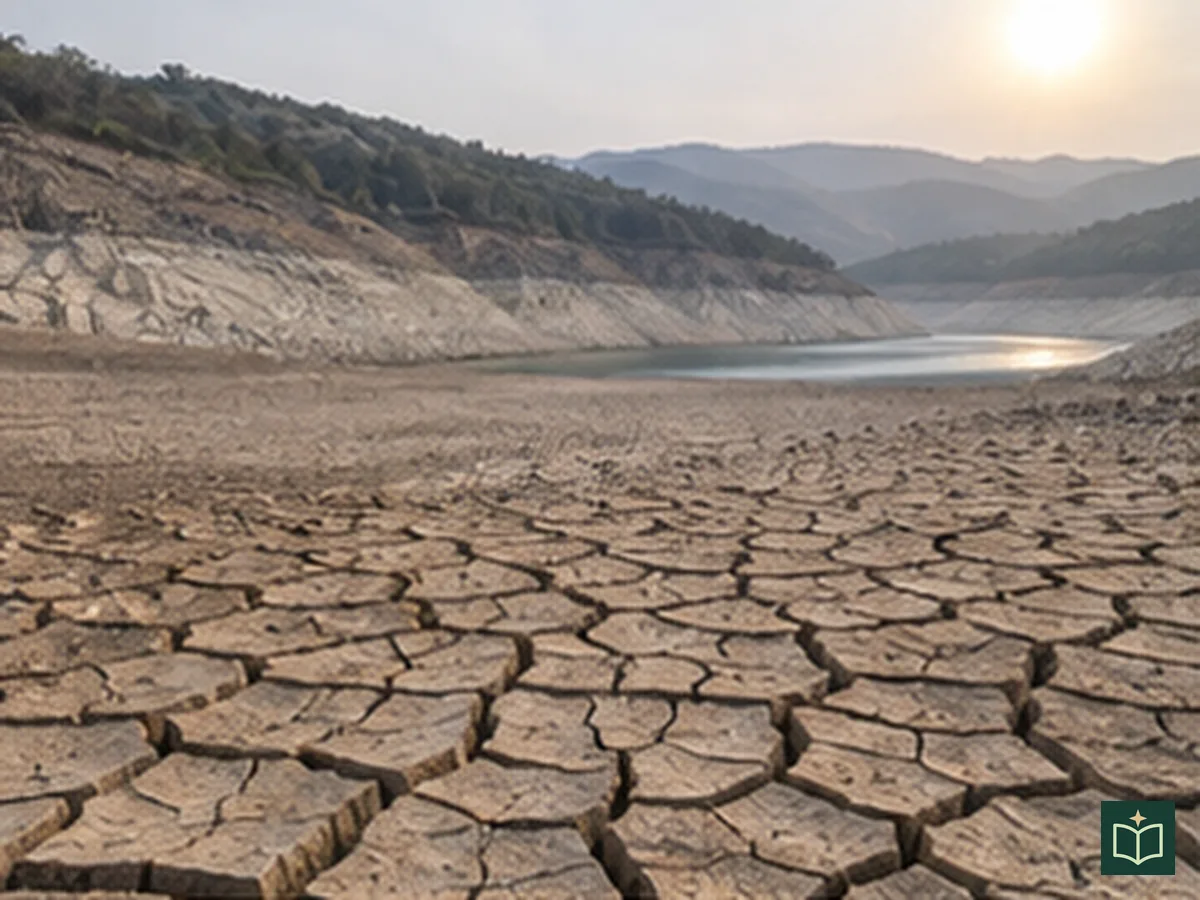
The slowest stage is hydrological drought, when rivers, lakes, reservoirs and groundwater fall below normal. Here the delays are longest. When rain returns after a dry spell, much of it first soaks into parched soil or evaporates, and little runs off into rivers or trickles down to aquifers. Deep groundwater may take months or years to recover. That is why a region can see rain and green fields while reservoirs stay low. In South Africa, three dry winters drained the reservoirs serving Cape Town, and in 2018 the city prepared for a possible 'Day Zero' before rationing and rain averted it.
When demand meets supply
A fourth category, socioeconomic drought, occurs when water shortages begin to affect people and the economy: rationing, crop losses, livestock deaths or higher food prices. It depends on demand as much as rainfall. A growing city or expanding irrigation can push a region into socioeconomic drought even when rainfall is only slightly below normal. Arid countries are not automatically in drought, because drought means a departure from normal. The UAE is permanently dry, with low and highly variable rainfall, but relies largely on desalinated seawater for drinking water, while farms draw on groundwater that is being used faster than it is replenished.
Watching a slow disaster
Because drought builds slowly, monitoring is crucial. The US Drought Monitor issues a weekly map combining rainfall, soil moisture, stream flow and reports from the ground, and similar systems exist elsewhere. Satellites that measure tiny changes in gravity can even track falling groundwater. Early warning matters most in regions that depend on rain-fed farming and herding, such as the Horn of Africa, where failed rainy seasons in a row can lead to hunger. Declaring that a drought has ended is just as hard as declaring that one has begun, since soils, rivers and aquifers each recover on their own timetable.
Sources & further reading
Figures are rounded and widely published; check the linked organisations for the latest editions. These organisations do not endorse this website.