Why weather needs cooperation
A storm that hits one country is often born thousands of kilometres away. To forecast it, meteorologists need observations from land stations, ships, aircraft, balloons and satellites across the world. No single country can collect all of that alone. Since the nineteenth century, national weather services have recognised that sharing data freely and using the same methods makes everyone's forecasts better. The World Meteorological Organization, or WMO, is the international body that organises this cooperation today.
From 1873 to 1950
The idea of an international weather organisation began in 1873, when the International Meteorological Organization was set up by heads of national weather services. It was not an intergovernmental body, which limited its authority. After the Second World War, governments agreed a new convention, which came into force on 23 March 1950, creating the WMO. In 1951 it became a specialised agency of the United Nations. World Meteorological Day is celebrated every year on 23 March to mark that founding.
Members and structure
The WMO has 193 members, made up of 187 states and six territories that maintain their own meteorological services. Its headquarters is in Geneva, Switzerland. The World Meteorological Congress, which brings together all members, meets every four years to set policy and approve the budget. An Executive Council meets more often, and six regional associations cover Africa, Asia, South America, North and Central America and the Caribbean, the South-West Pacific, and Europe.
Sharing data around the clock
One of the WMO's most important jobs is coordinating the global observing system and the networks that carry data between countries. Weather observations from tens of thousands of stations, plus satellites and other platforms, are exchanged constantly using agreed formats and codes, so that a computer in one country can read measurements from another. Members have committed to share essential weather data freely. This flow of information feeds the computer models that produce forecasts used by billions of people.
Naming storms
The WMO also coordinates the naming of tropical cyclones through regional committees. Names are short and easy to remember, which helps with warnings and media reports. Each region has its own lists, often rotating every few years, and names of particularly deadly or destructive storms are retired so they are not used again. In the North Indian Ocean, which includes the Arabian Sea, names are proposed by countries in the region, including the UAE, which has contributed names to the list.
Climate and science
Beyond daily weather, the WMO tracks the climate. It publishes an annual State of the Global Climate report, summarising temperatures, sea levels, ice and extreme events. In 1988, the WMO and the United Nations Environment Programme set up the Intergovernmental Panel on Climate Change, or IPCC, which assesses the science of climate change for governments. The WMO also works on water resources, ozone monitoring, space weather and the effects of weather on aviation, shipping and agriculture.
Early warnings for all
Early warnings save lives. When people know a storm, flood or heatwave is coming, they can move to safety, protect property and prepare. In 2022, the UN Secretary-General announced the Early Warnings for All initiative, led by the WMO together with partners, with the goal of ensuring that everyone on Earth is protected by early warning systems by the end of 2027. Many countries, especially small island states and least developed countries, still lack complete warning coverage.
Standards everyone uses
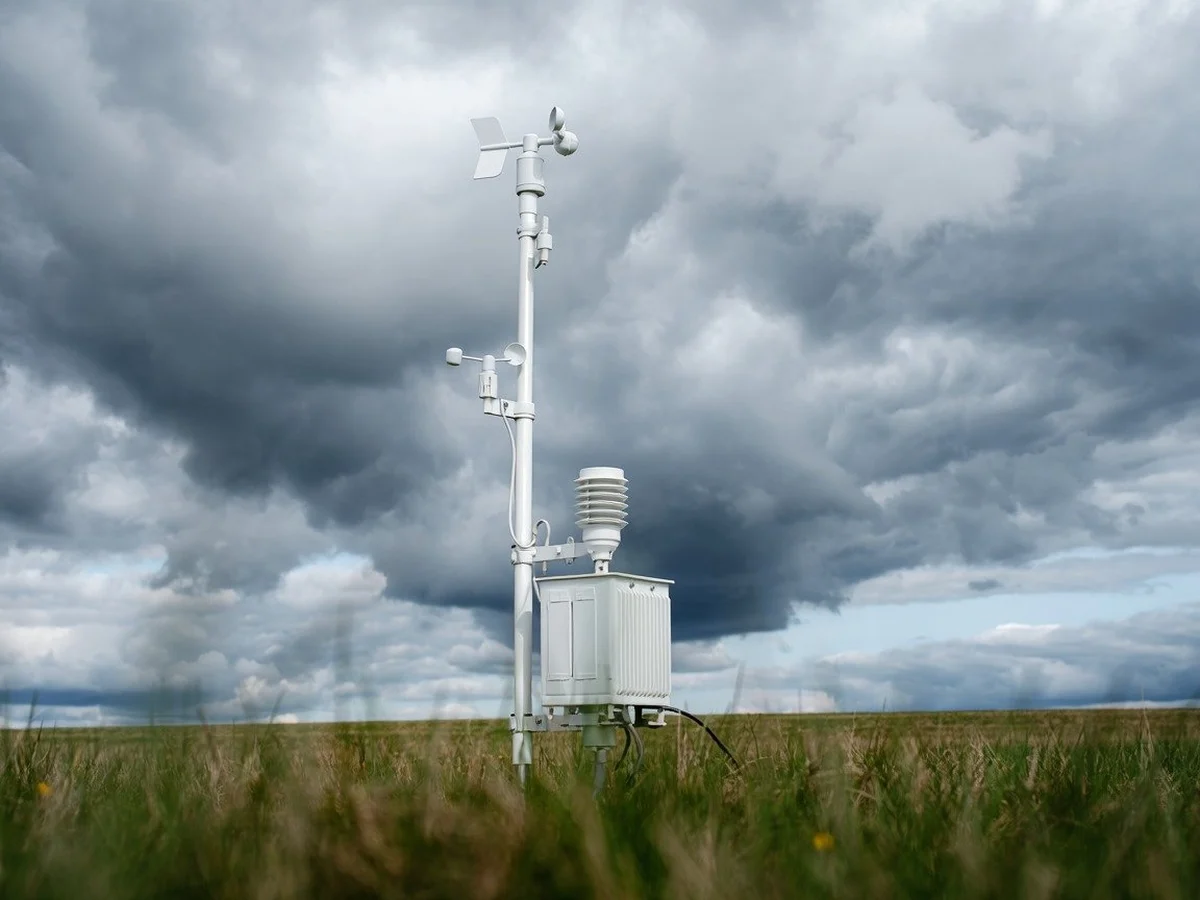
The WMO also sets technical standards. It defines how instruments should be placed, how temperatures and rainfall are measured and how records are verified. Its experts check claimed weather extremes, such as the highest temperature or longest lightning flash, before they are accepted as official world records. Common standards mean that a reading in one country can be fairly compared with a reading taken anywhere else.
The UAE and the WMO
The UAE is an active member of the WMO through its National Centre of Meteorology, which runs weather stations, radars and forecasting services, and is known internationally for its research programme on rain enhancement. Gulf countries share data with neighbours and with global centres, which helps forecast dust storms, fog and extreme heat. Like every member, the UAE both contributes observations to the global system and benefits from forecasts built on data shared by countries around the world.
Sources & further reading
General information; membership figures and programmes may change over time. Photograph: original AI-generated illustration (Adobe Firefly). Reference organisations do not endorse this website.