An old collision
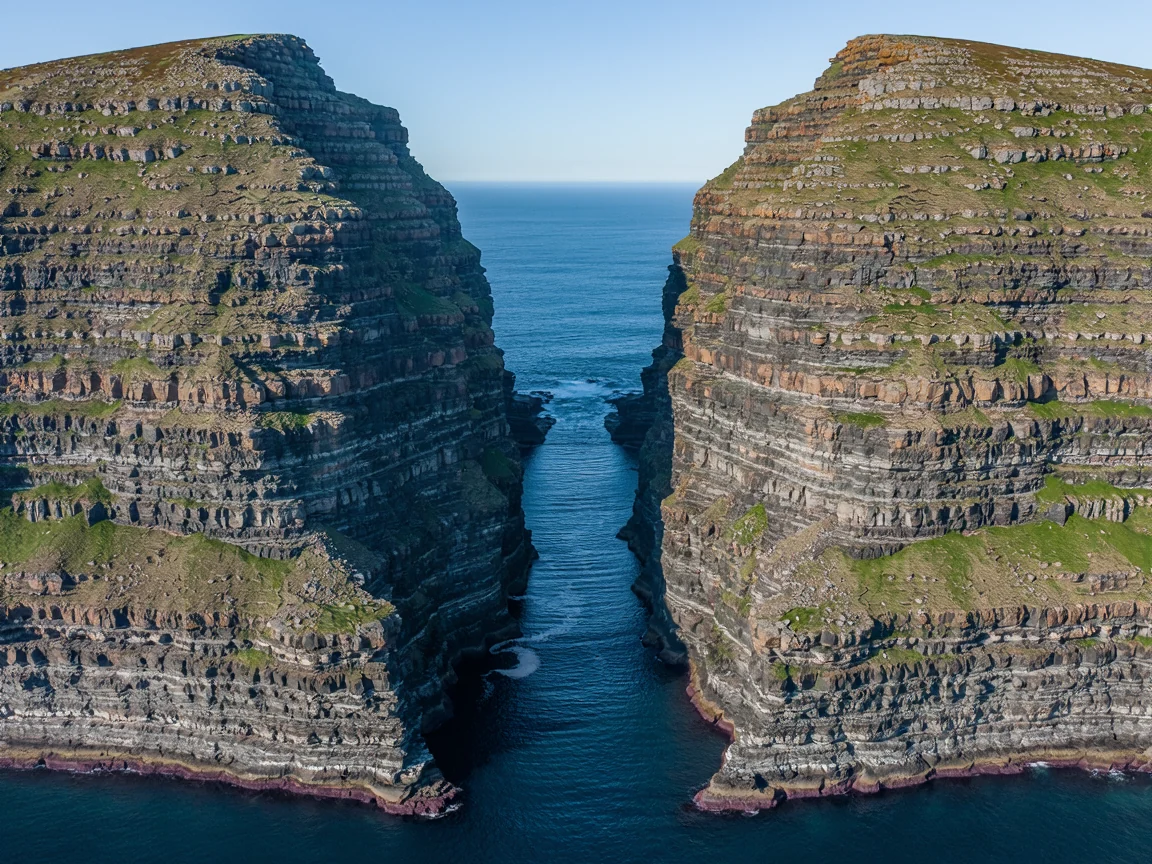
The Urals formed during the late Paleozoic era, when ancient landmasses collided to build the supercontinent Pangaea. Long erosion since then has reduced them to relatively low, rounded ridges.
Europe and Asia
Geographers commonly draw the boundary between Europe and Asia along the eastern foot of the Urals, then along the Ural River to the Caspian Sea. The convention is cultural rather than geological.
Mineral treasure
The Urals are rich in iron, copper, gold, platinum, gemstones and other minerals. They became a centre of Russian metalworking in the eighteenth century, and cities such as Yekaterinburg grew as industrial hubs.
Landscapes
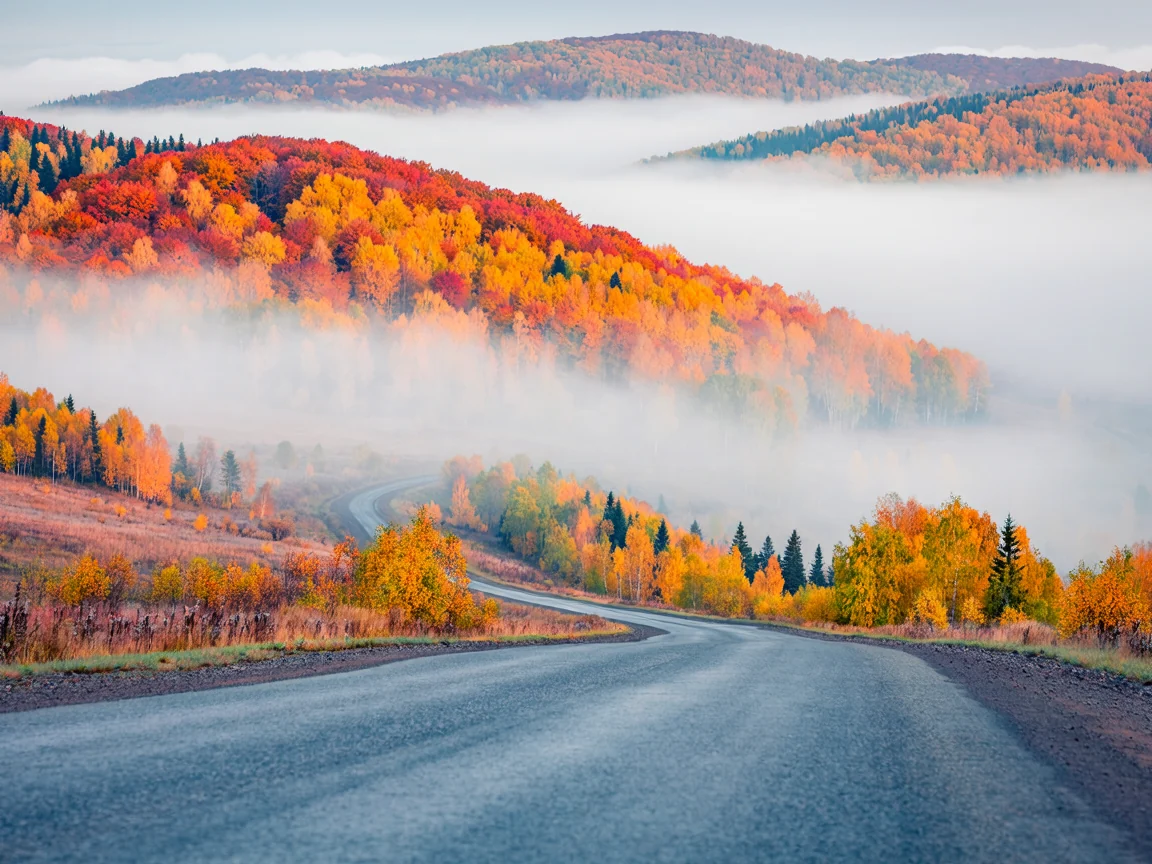
The range stretches from Arctic tundra in the north through taiga forests to steppe in the south. Large areas remain wild, including the Virgin Komi Forests, a UNESCO World Heritage Site.
Sources & further reading
Photograph: original AI-generated illustration (Adobe Firefly). Reference organisations do not endorse this website.