Slow formation
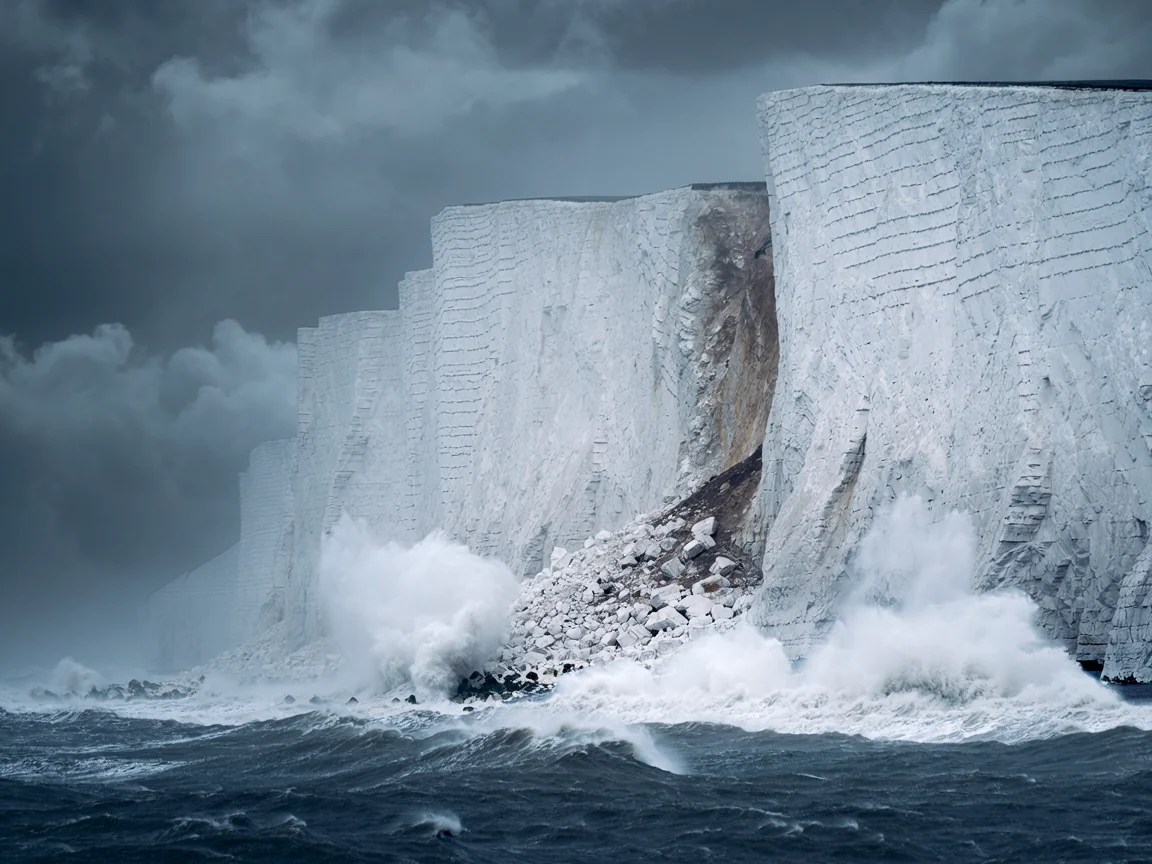
For millions of years, a seaway separated North and South America. Plate movements and volcanic activity gradually built islands and raised the seafloor until the land bridge was complete, around three million years ago according to most estimates.
Ocean changes
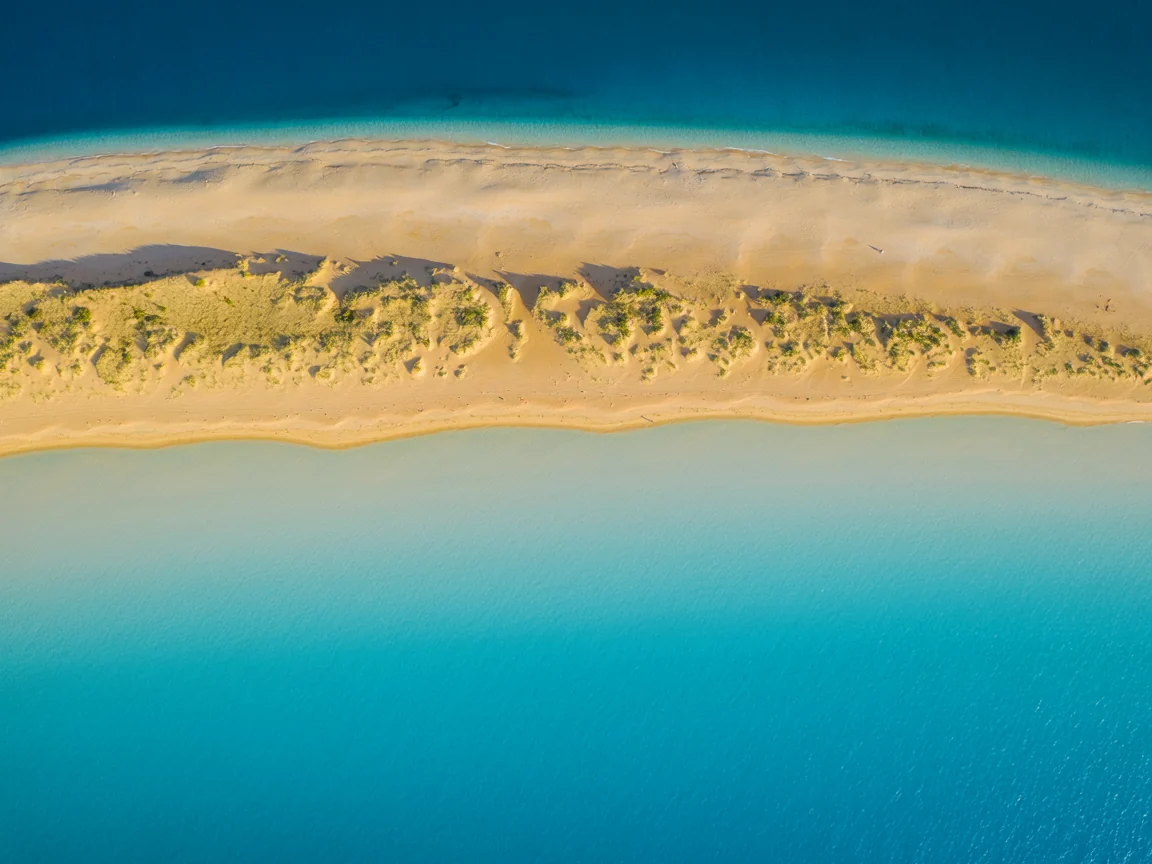
Once the isthmus closed, Atlantic and Pacific waters were separated. The Caribbean became saltier and the Atlantic's circulation strengthened, which may have influenced Northern Hemisphere climate.
The great exchange
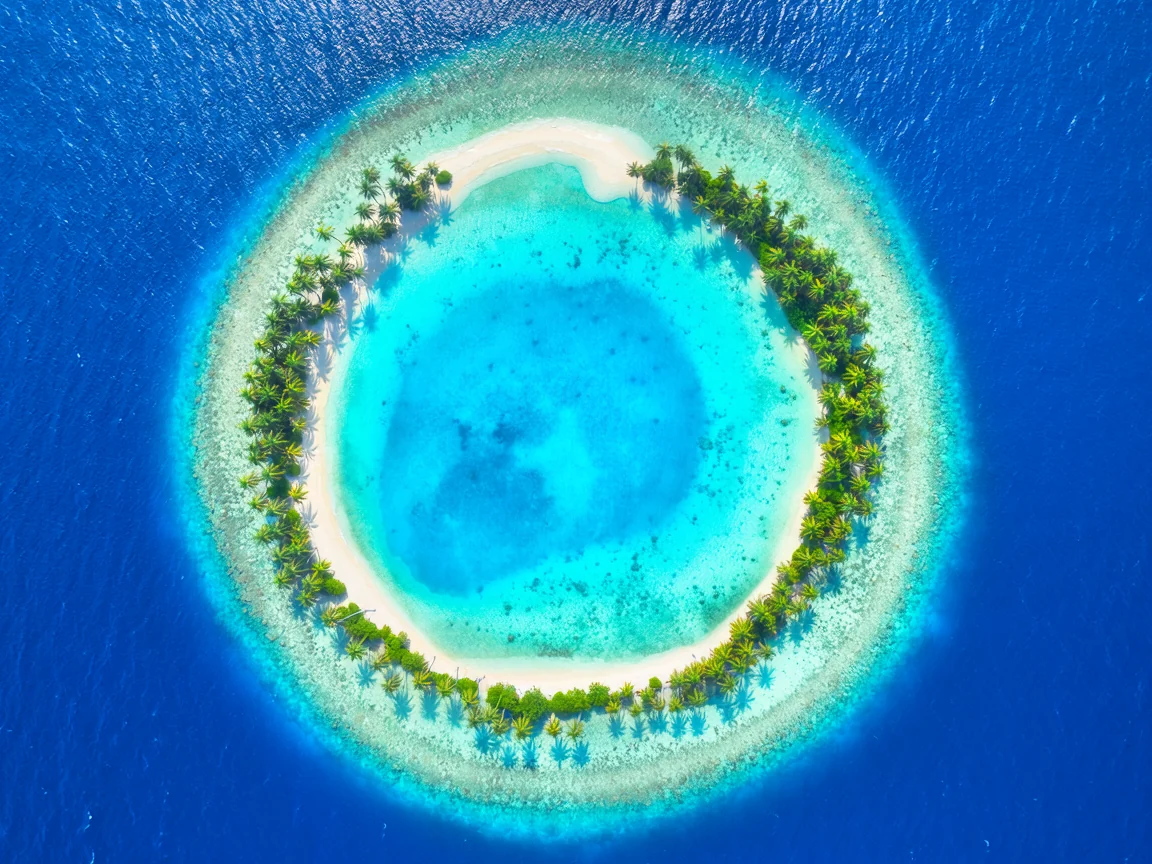
The land bridge allowed animals to cross between continents in what scientists call the Great American Biotic Interchange. Armadillos and opossums moved north, while cats, bears and deer moved south.
A shortcut for ships
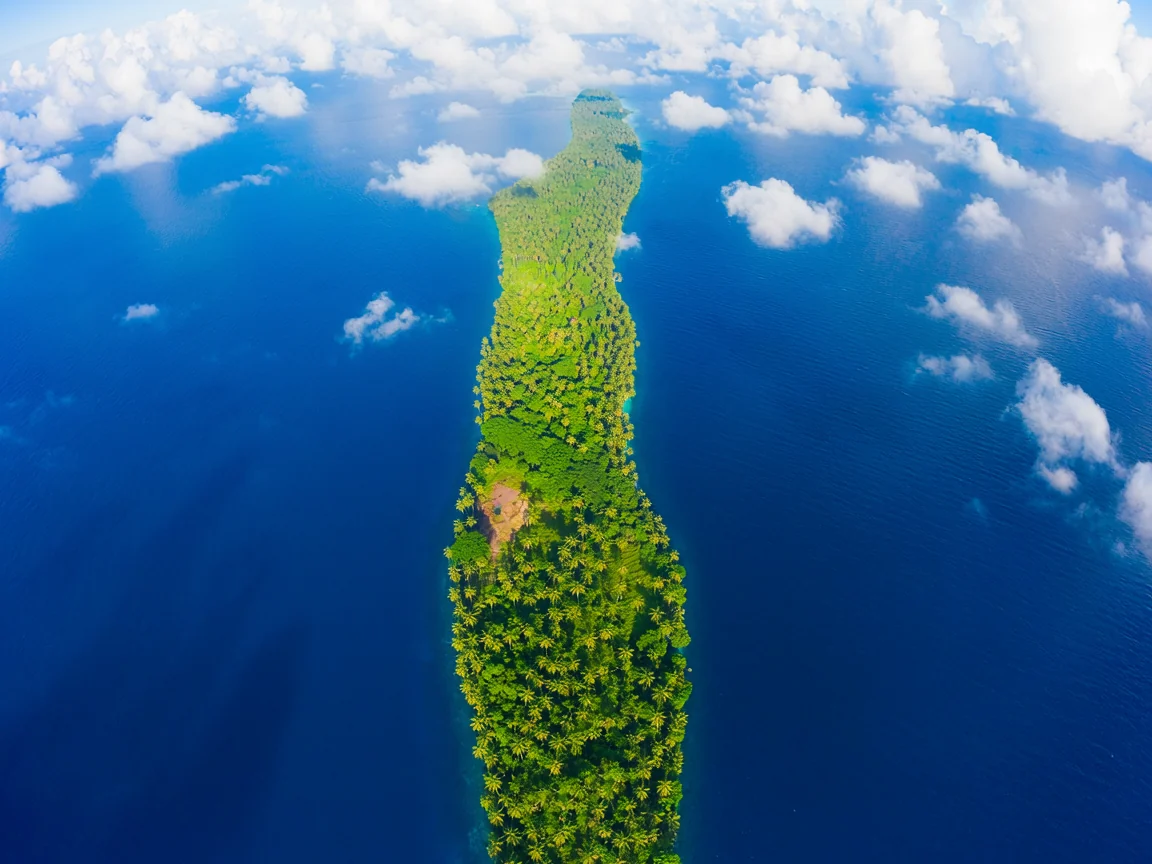
Because the isthmus is so narrow, it became the site of the Panama Canal, which opened in 1914. Ships use locks to cross it, avoiding the long voyage around South America.
Sources & further reading
Formation dates are debated by researchers. Photograph: original AI-generated illustration (Adobe Firefly). Reference organisations do not endorse this website.