A line on the landscape
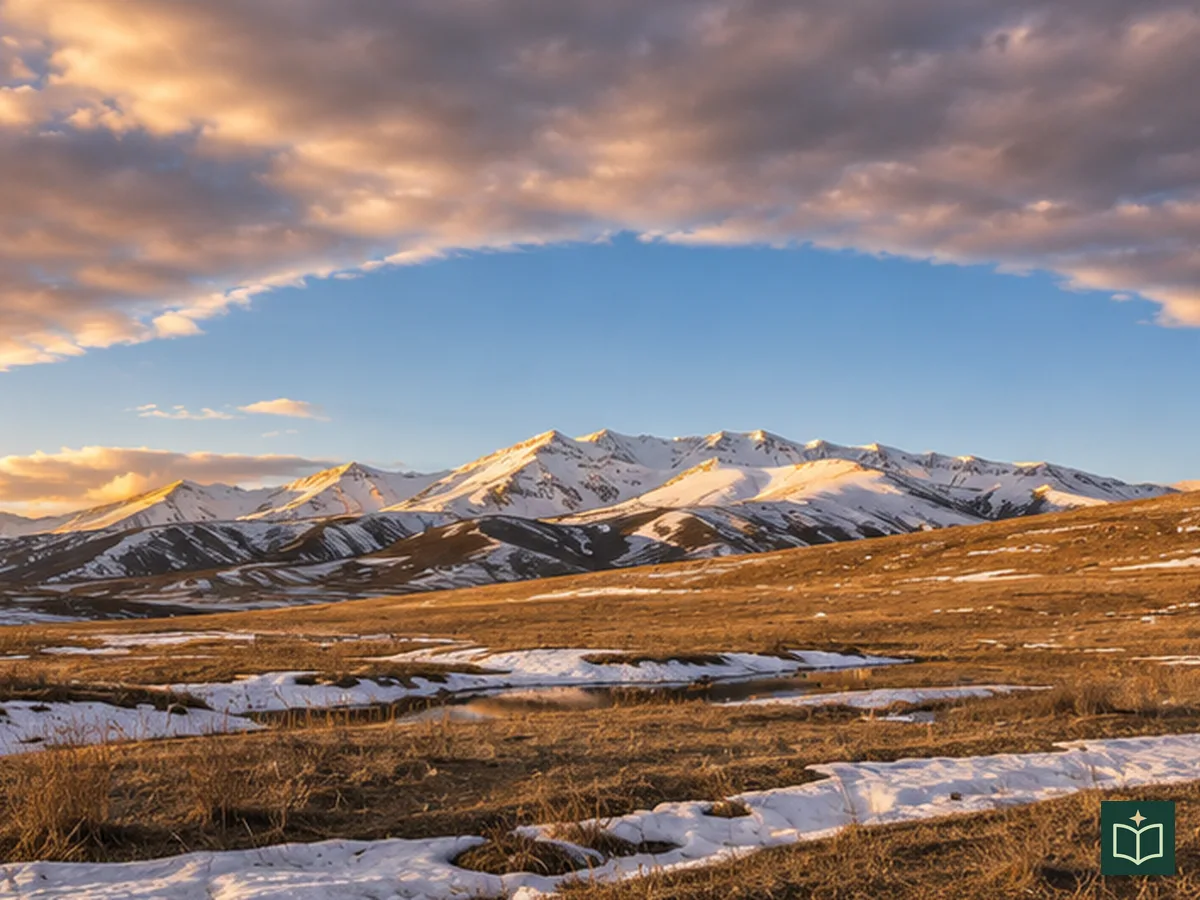
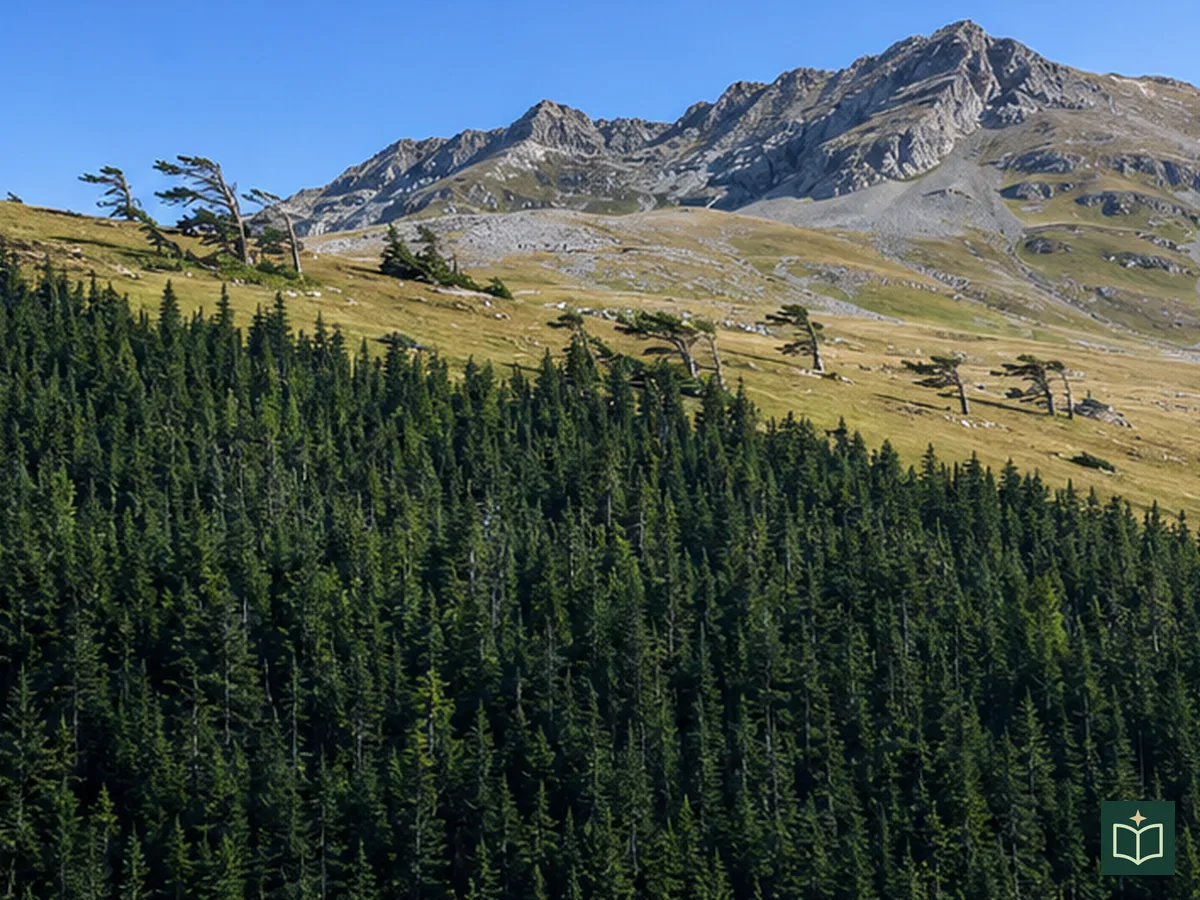
Climb a high mountain and, at some point, the forest ends. Above it, there may be scattered, twisted trees, then shrubs, grasses and bare rock. Travel far enough north and the same thing happens: the boreal forest thins into open tundra. Geographers call these boundaries the alpine and the arctic tree lines. They are among the most visible ecological borders on Earth, often clear enough to trace on satellite images. The question of what stops trees has interested scientists for more than a century. The answer turns out to be surprisingly consistent across continents, even though the altitude of the line varies by thousands of metres.
The temperature threshold
The main limit is warmth during the growing season. Trees need to produce new cells to build wood, and below a certain temperature that process slows almost to a halt, even if the tree can still photosynthesise. Studies comparing tree lines worldwide have found that they occur where the average temperature during the growing season is about 6 to 7°C. Height makes trees vulnerable. Low plants sit within a thin layer of air warmed by the sunlit ground, but a tree’s crown is exposed to the colder, windier air above. So shrubs and herbs can thrive where trees cannot, and the forest gives way to low-growing vegetation.
High in the tropics, low near the poles
Because temperature falls with both altitude and latitude, the tree line is highest near the tropics and lowest towards the poles. In the Andes of Bolivia, small Polylepis trees grow at over 4,500 metres, and on the Tibetan Plateau forests reach well above 4,000 metres. In the Alps, the tree line generally lies at about 1,800 to 2,200 metres. In Scotland and Norway, it is much lower, often below 1,000 metres. In the Arctic, the line reaches sea level, roughly following the point where average July temperatures are around 10°C. In the Southern Hemisphere, the tree line in New Zealand lies around 1,000 to 1,400 metres.
Why big mountains help
Tree lines are often higher in the interior of large mountain ranges than on isolated peaks at the same latitude. This is known as the mass elevation effect. A large block of high land absorbs sunlight and warms the air above it, effectively lifting the climate zones higher. That helps explain why trees grow so high on the Tibetan Plateau and in the central Alps compared with lone peaks or coastal ranges. Other factors play a role. Strong winds, heavy snow, thin soils, avalanches and grazing can push the tree line below its climatic limit. Human clearing for pasture has lowered it in many mountain regions over centuries.
Twisted forms at the edge
The transition is rarely a clean cut. Near the limit, trees become shorter, more widely spaced and often deformed. In exposed places, wind and ice blast away buds on the windward side, creating flag-shaped trees with branches only on the sheltered side. Further up, trees may grow as low, sprawling mats, sheltered under winter snow. This stunted growth is called krummholz, from the German for crooked wood. Seedlings often survive only in the shelter of rocks or other plants. Lower down, the zone of open woodland and isolated trees may stretch for several hundred metres in altitude before the forest becomes continuous.
A line on the move
Because the tree line depends so closely on temperature, scientists watch it as a signal of climate change. In many mountain ranges and parts of the Arctic, young trees are appearing above or beyond the old limit as summers warm. The change is uneven, however: trees grow slowly, and seedlings need suitable soil and shelter, so the line often lags behind the warming. Where it does advance, it can replace alpine meadows and tundra, reducing habitat for specialised plants and animals. It may also darken the landscape, absorbing more sunlight. Tracking these shifts helps researchers understand how ecosystems respond to a changing climate.
Sources & further reading
Figures are rounded and widely published; check the linked organisations for the latest editions. These organisations do not endorse this website.