Defining an ocean
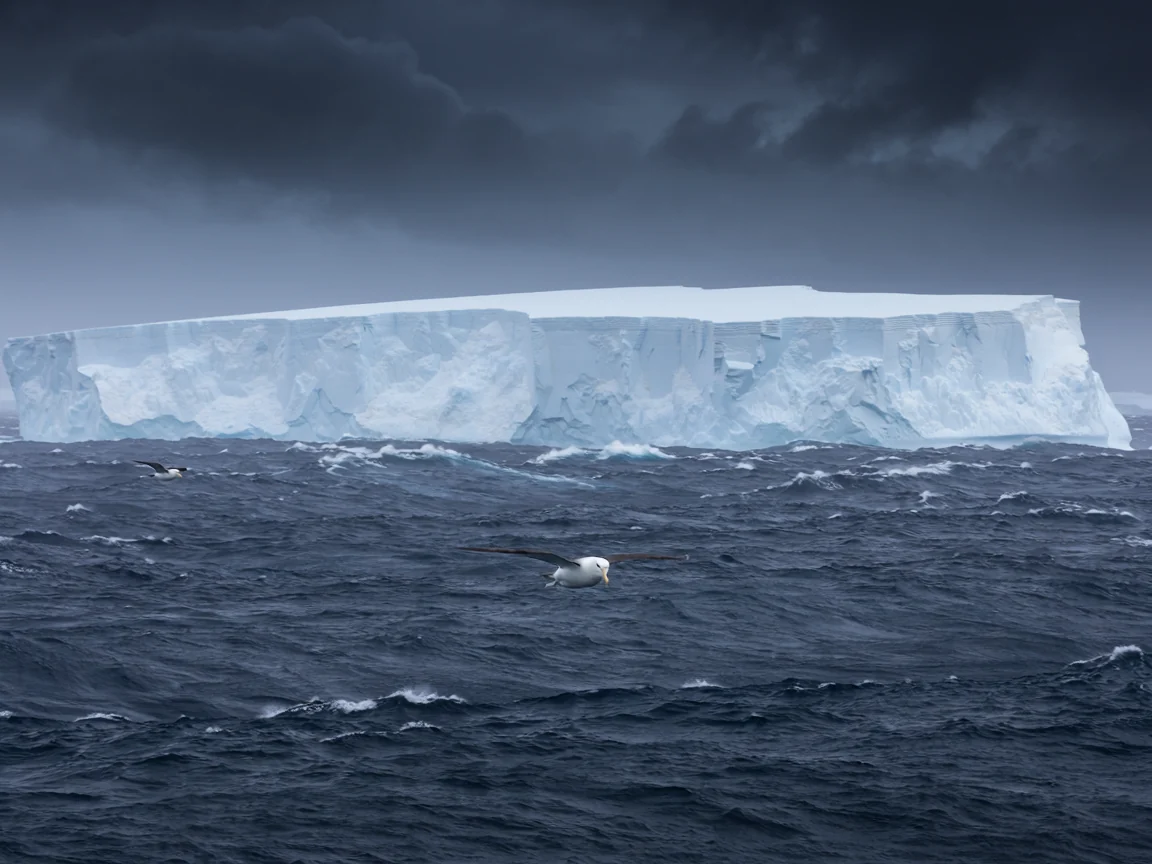
Many geographers and agencies, including the International Hydrographic Organization in 2000 and later National Geographic, recognise the Southern Ocean as the world's fifth ocean, generally bounded at 60° south. Its real boundary is the Antarctic Convergence, where cold southern waters meet warmer ones.
A mighty current
With no continents in the way, westerly winds drive the Antarctic Circumpolar Current all the way around Antarctica. It is among the largest ocean currents, moving more water than all the world's rivers combined many times over.
Climate engine
Near Antarctica, very cold, salty water sinks to the sea floor, forming Antarctic Bottom Water that spreads into other oceans. The Southern Ocean absorbs a large share of the ocean's uptake of human-produced heat and carbon dioxide.
Life in cold water
Nutrient-rich waters support huge populations of krill, which feed whales, seals, penguins and seabirds. Fishing is regulated by an international commission, and marine protected areas cover parts of the ocean, such as the Ross Sea.
Sources & further reading
Photograph: original AI-generated illustration (Adobe Firefly). Reference organisations do not endorse this website.