How it formed
The trench lies where the old, dense Pacific Plate sinks beneath the smaller Mariana Plate. This subduction creates a crescent-shaped trench about 2,500 kilometres long and a chain of volcanic islands nearby.
Extreme conditions
At the bottom, pressure exceeds 1,000 atmospheres, temperatures are just above freezing and there is no sunlight. Yet life exists, including amphipods, sea cucumbers and microbes.
Exploration
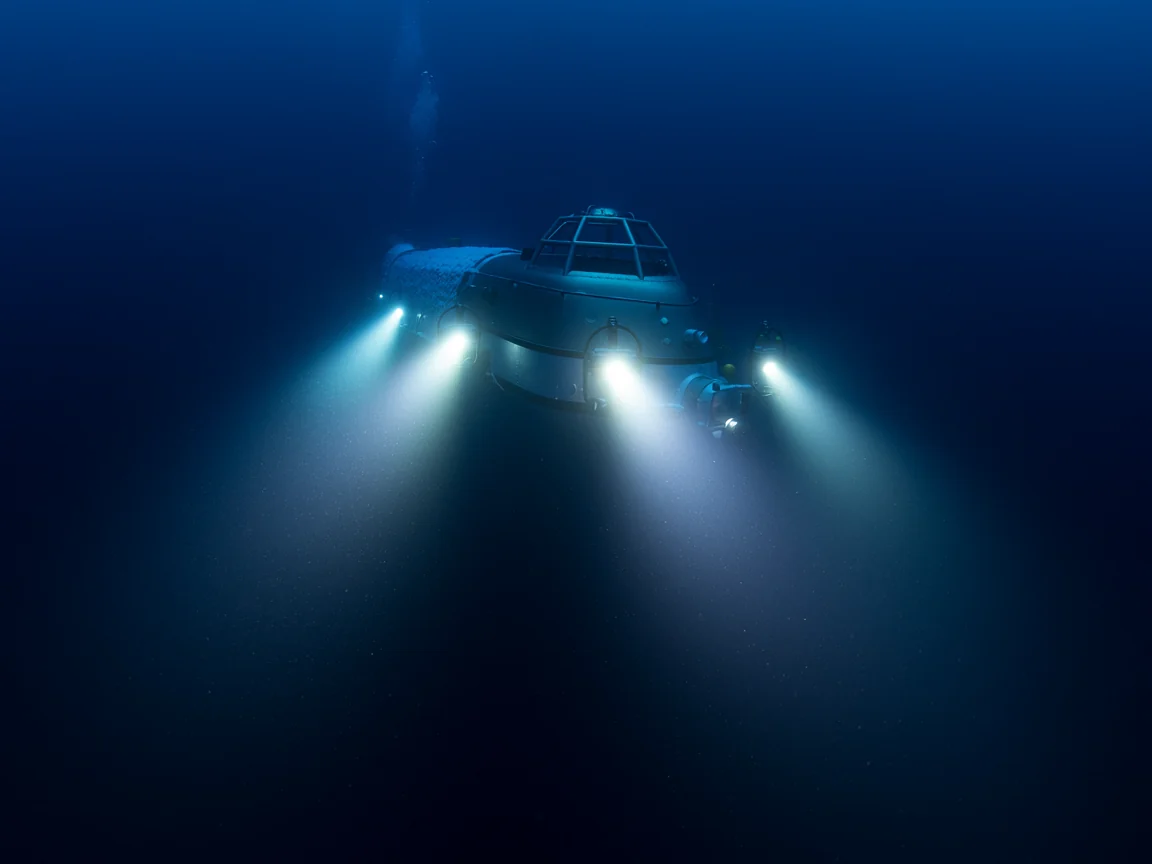
In 1960, Jacques Piccard and Don Walsh reached Challenger Deep in the bathyscaphe Trieste. Filmmaker James Cameron made a solo dive in 2012, and since 2019 many crewed dives have been made in a reusable submersible.
Protected yet polluted
Part of the trench is within a US marine national monument. Scientists have found plastic and pollutants even at the deepest points, showing how far human impact reaches.
Sources & further reading
Depth estimates vary by survey. Photograph: original AI-generated illustration (Adobe Firefly). Reference organisations do not endorse this website.