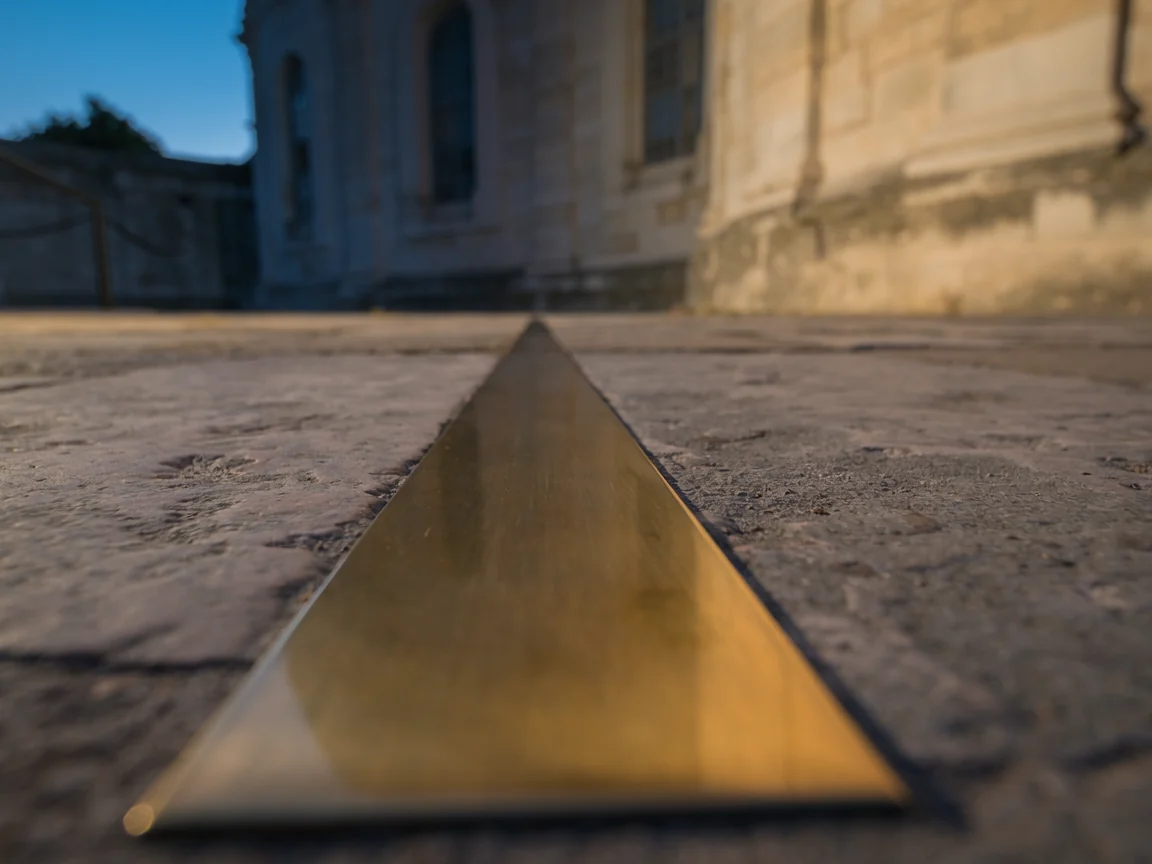
Many meridians
Before 1884, countries measured longitude from their own capitals or observatories, such as Paris, Cádiz or Washington. This made navigation and timekeeping across borders confusing.
The 1884 conference
At the International Meridian Conference in Washington, delegates voted to adopt the meridian through the Airy Transit Circle telescope at Greenwich. Most ships already used British charts based on Greenwich, which helped the decision.
Time zones
Greenwich Mean Time became the basis for world time zones, which are generally set in hours ahead of or behind it. Today Coordinated Universal Time, kept by atomic clocks, is used, closely matching GMT.
A line that moved
Modern satellite positioning uses a reference frame whose zero meridian lies about 102 metres east of the historic brass line at Greenwich, due to how Earth's shape and gravity are modelled.
Sources & further reading
Photograph: original AI-generated illustration (Adobe Firefly). Reference organisations do not endorse this website.