From empire to association
The Commonwealth of Nations grew out of the British Empire, as former colonies and dominions gained independence but chose to keep a link. A key moment came with the London Declaration of 1949, which allowed India to remain a member as a republic, recognising the British monarch only as a symbol of the association, called the Head of the Commonwealth. That decision made it possible for countries with very different constitutions to belong. Today the Commonwealth describes itself as a voluntary association of 56 independent and equal countries. Together they are home to around a third of the world's population, from large states such as India and Nigeria to small island nations.
How it is organised
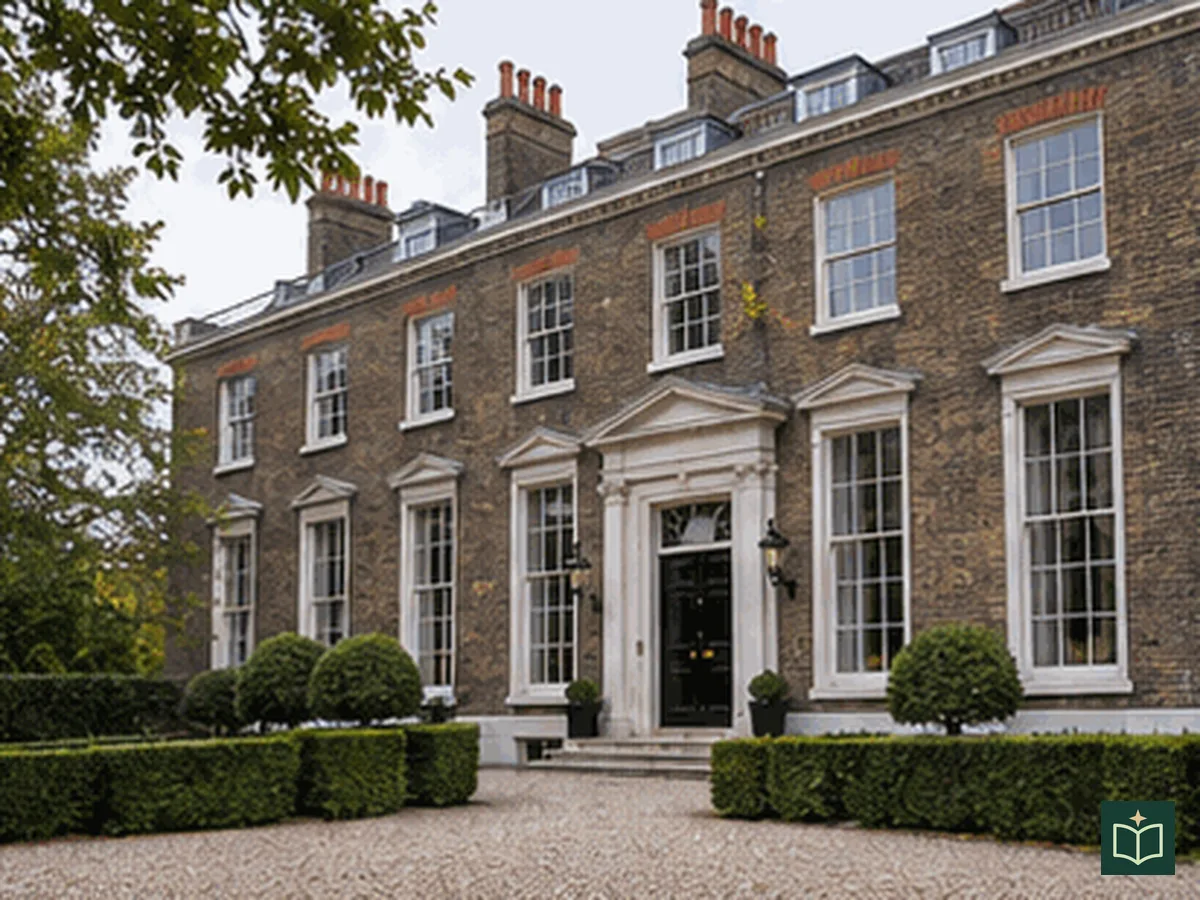
The Commonwealth has no binding founding treaty and no common government. Its central body is the Commonwealth Secretariat, established in 1965 and based at Marlborough House in London, headed by a Secretary-General elected by member governments. Heads of government meet roughly every two years at the Commonwealth Heads of Government Meeting, hosted by different members in turn, where they agree statements and set priorities. Ministers of finance, health, law, education and other portfolios also meet regularly. Alongside the official structures sits a large family of professional and civil-society organisations, from lawyers' associations to universities, and the Commonwealth Games, held every four years.
Shared values
Members commit to a set of common principles, restated in documents such as the Harare Declaration of 1991 and the Commonwealth Charter adopted in 2013. These include democracy, human rights, the rule of law, freedom of expression, separation of powers, good governance and sustainable development. The Commonwealth Ministerial Action Group, created in 1995, can review serious or persistent violations of these values. Members have been suspended from the councils of the Commonwealth for unconstitutional changes of government, including Nigeria in the 1990s and Fiji on more than one occasion, before later being restored. Some countries have left and later rejoined, among them South Africa, Pakistan and the Maldives.
How countries join
Membership was once limited to territories with a constitutional link to Britain, but that changed over time. In 2007 leaders agreed criteria stating that applicants should normally have had a historic constitutional association with an existing member, though exceptions could be made, and should accept Commonwealth values and norms. Mozambique joined in 1995 and Rwanda in 2009, neither having been a British colony. In 2022 Gabon and Togo, both former French territories, were admitted. Applicants typically go through an assessment of their readiness, followed by consultations, and leaders take the final decision by consensus, usually at their summit, before the new member formally takes its seat.
Realms and republics
A common misconception is that the British monarch rules all Commonwealth members. In fact, most members are republics or have their own monarchs. Only 15, known as Commonwealth realms, including the United Kingdom, Canada, Australia, New Zealand and Jamaica, share the British monarch as their head of state. King Charles III is Head of the Commonwealth, a symbolic role that leaders agreed in 2018 he should take on, and that is not formally hereditary. Barbados became a republic in 2021 while remaining a Commonwealth member, showing that the two questions are separate. Membership places no limits on a country's foreign policy or alliances.
Why it matters
The Commonwealth's influence is soft rather than hard. It offers small states a forum where they sit as equals with larger ones, and more than 30 of its members are small states, many of them highly exposed to climate change. Its networks support cooperation on trade, education, law and public administration, and a shared language and similar legal traditions make many of these links easier. Critics question how much practical difference membership makes or how consistently values are upheld. Yet countries continue to apply, which suggests that the association still offers something its members value: a voluntary club spanning every inhabited continent.
Sources & further reading
Figures are rounded and widely published; check the linked organisations for the latest editions. These organisations do not endorse this website.