What observers are for
Election observation is the systematic, impartial assessment of an electoral process by people who are not part of it. Observers gather information, compare what they see with the country's own laws and with international standards, and publish their conclusions. Their purpose is to strengthen confidence where an election is well run, to identify problems where it is not, and to recommend improvements for the future. They do not run the election, count ballots or certify results. Those tasks belong to national electoral authorities and, in disputes, to courts. Observers can be international, sent by an intergovernmental or non-governmental organisation, or domestic, organised by citizens' groups within the country.
Who sends international missions
The main international observers include the OSCE's Office for Democratic Institutions and Human Rights, the European Union, the African Union, the Organization of American States, the Commonwealth and non-governmental groups such as the Carter Center. In 2005 many of these organisations launched a Declaration of Principles for International Election Observation, together with a code of conduct for observers, at the United Nations. It has since been endorsed by dozens of organisations. Missions usually deploy only when invited by the host country and when they are guaranteed freedom of movement, access to officials and the ability to publish their findings independently. The UN itself rarely observes elections but often provides technical assistance.
The long view
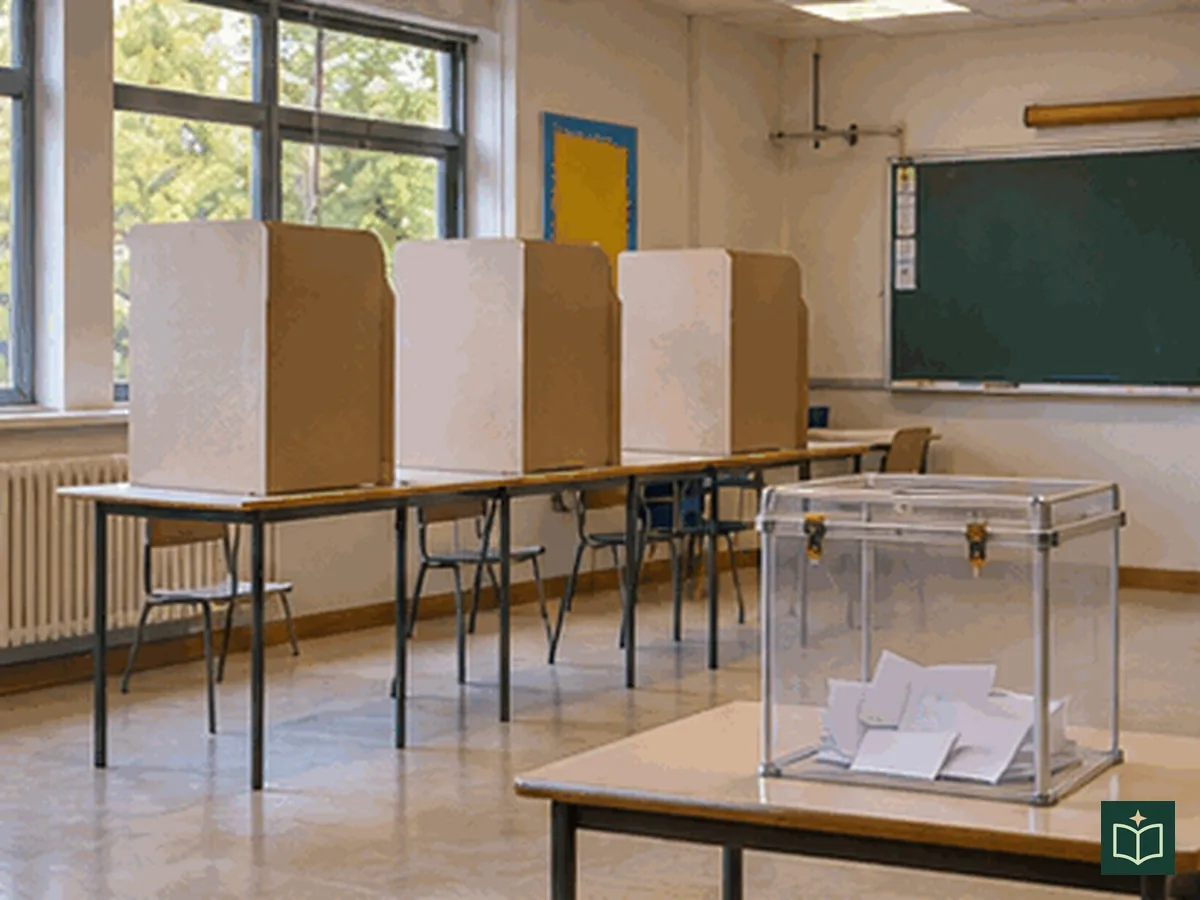
A credible election depends on far more than polling day. Weeks or months beforehand, a core team and long-term observers arrive and travel around the country. They examine the legal framework, how candidates and parties were registered, how voter lists were compiled, whether campaigners could hold rallies freely, how state resources were used and how the media covered the contest. They meet election officials, parties, civil society and security services. On election day, short-term observers, often numbering in the hundreds for large missions, visit a sample of polling stations, watch the opening, voting and closing, and stay to observe the count and the tabulation of results at higher levels.
What their reports say
Missions usually issue a preliminary statement within a day or two of the vote. It summarises key findings while results may still be coming in. A detailed final report follows, often around two months later, and includes specific recommendations, such as changing campaign-finance rules or improving complaints procedures. The language is careful and measured. Reports rarely use a simple verdict like free and fair, preferring to assess particular aspects against specific standards: whether fundamental freedoms were respected, whether the administration was impartial, whether voters could cast their ballots in secret. Reading the whole report, not just a headline, gives the clearest picture of what observers found.
Domestic observers
Citizen observer groups often field far more people than international missions, sometimes placing trained volunteers in thousands of polling stations. Some use a method called a parallel vote tabulation: observers record official results from a random, statistically representative sample of polling stations and use them to verify whether the announced national result is consistent. Because they are permanent and local, domestic groups can monitor the entire cycle, including by-elections and boundary changes. International organisations increasingly see them as essential partners. In some countries, however, domestic observers face restrictions on registration or access, which observer missions themselves often comment on in their reports.
Limits and misconceptions
Observers cannot see everything. Even large missions visit only a fraction of polling stations, and much can happen outside them, such as intimidation or vote buying before election day. That is why the long-term phase matters. Observers also cannot overturn results or settle disputes; their findings carry weight only through the attention they receive from voters, courts, parties and governments. Some governments decline to invite observers or restrict their access, which itself becomes part of the assessment. Read carefully, observation reports provide one of the most detailed independent records of how elections are conducted, and their recommendations are often taken up in later legal reforms.
Sources & further reading
- OSCE/ODIHR · Elections ↗
- The Carter Center · Democracy Program ↗
- UN Department of Political and Peacebuilding Affairs · Elections ↗
Figures are rounded and widely published; check the linked organisations for the latest editions. These organisations do not endorse this website.