Why spare capacity exists
A power grid cannot simply build enough generators to meet expected peak demand and stop there. Power stations break down, need maintenance and sometimes cannot get fuel. Demand forecasts miss, and extreme weather can push consumption far beyond the usual peak. A transmission line or a large unit can trip without warning. To keep the lights on through such events, system planners deliberately build and keep more capacity than the expected maximum. That surplus is the reserve margin. It is usually expressed as a percentage: available capacity minus forecast peak demand, divided by forecast peak. It is a form of insurance, paid for every year, used only occasionally.
Planning and operating reserves
Two kinds of reserve work on different timescales. Planning reserves are decided years ahead: how much capacity to build or keep open so that the system can meet future peaks with a high level of confidence. Operating reserves are managed hour by hour. Spinning reserve comes from generators already running below full output, ready to ramp up within seconds or minutes. Non-spinning reserve comes from units that can start quickly, such as gas turbines. Batteries now provide fast reserve as well. Many grids follow an N-1 rule: the system must survive the sudden loss of its single largest generator or line without cutting customers off, so reserves are sized at least to that loss.
A worked example
Imagine a grid expecting a summer peak of 10,000 megawatts with 11,500 MW of available capacity. Its reserve margin is 1,500 MW, or 15 per cent. That sounds comfortable until the details are added. If the largest single unit is a 1,400 MW reactor and it trips at the peak, only 100 MW of margin remains. A few smaller plants on maintenance, or a hotter day than forecast, could then leave the system short. This is why planners assess not just the headline margin but the probability of shortfall, using simulations of outages and weather, and why imports and demand response also count towards reliability.
How much is enough
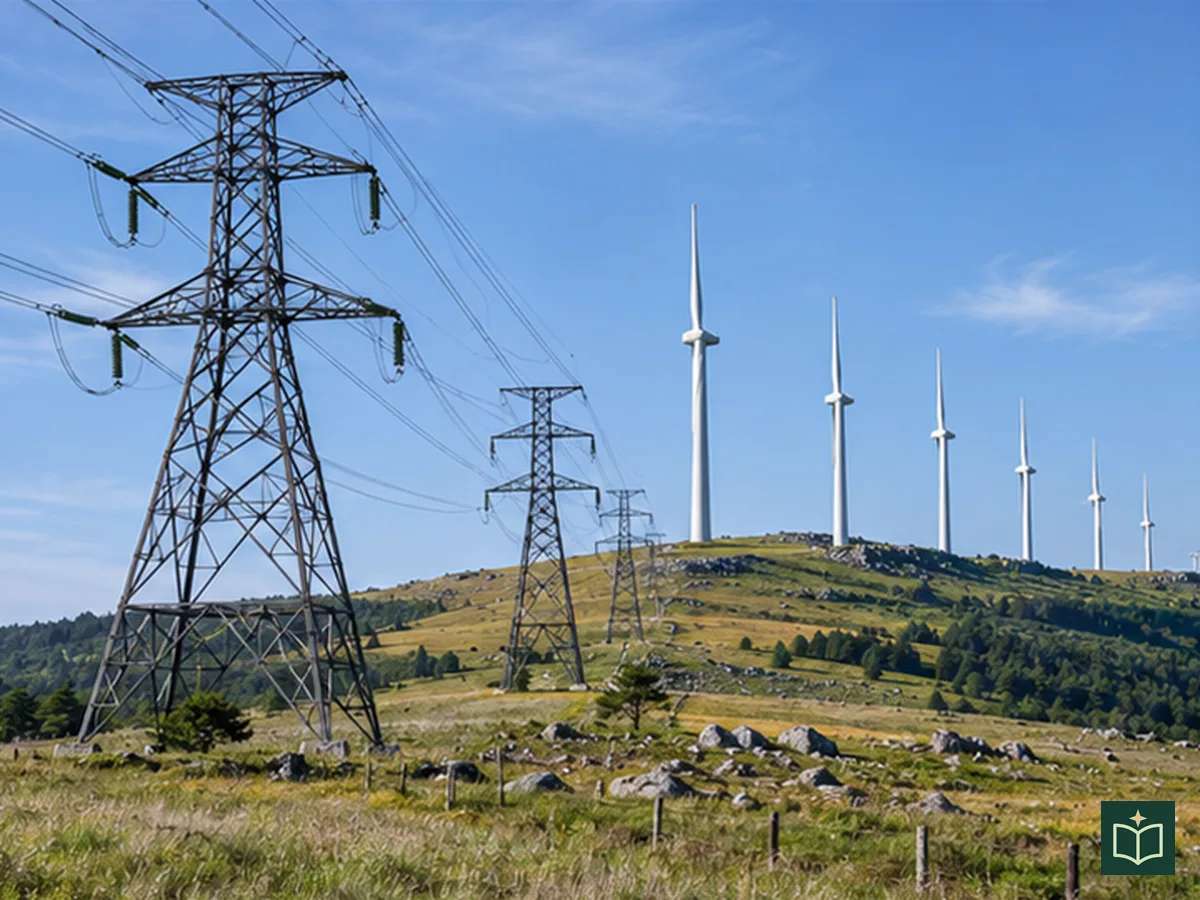
There is no universal target. Many systems plan for a margin of around 15 per cent, while some require more. A common reliability standard is a loss-of-load expectation of one day in ten years: the system should be short of supply on average no more than once a decade. Small or isolated grids usually need larger margins, because one outage is a bigger share of the system. Interconnected grids can share reserves with neighbours, which is one benefit of links such as the Gulf's regional interconnection. Variable sources complicate the counting: solar and wind receive a capacity credit lower than their rated size, reflecting how reliably they produce at peak.
The Gulf pattern
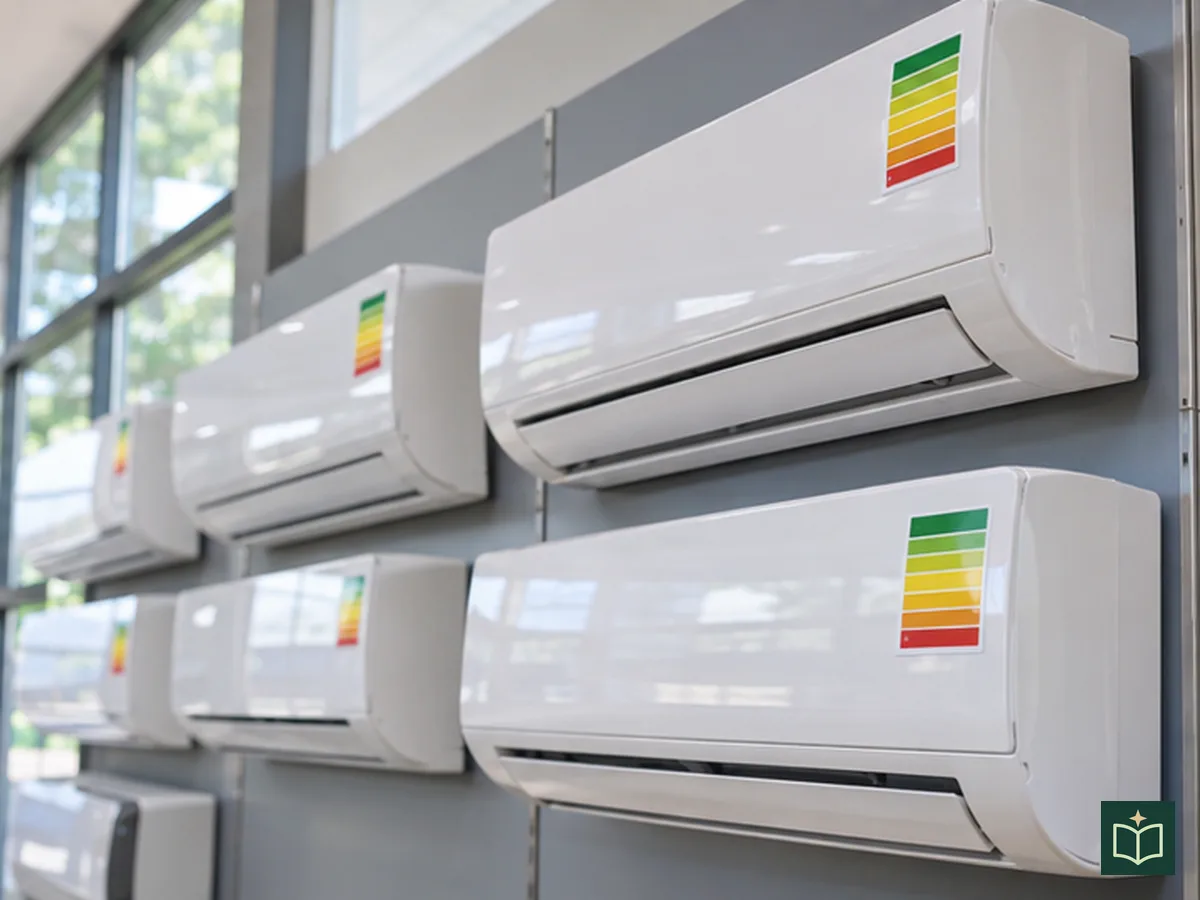
Gulf grids face a sharply seasonal challenge. Air conditioning drives the yearly peak on hot summer afternoons, while winter demand is much lower. That allows utilities to schedule maintenance on power and desalination plants in the cooler months, when spare capacity is plentiful, and to bring everything online for summer. Reserves are therefore tightest for a few weeks each year. Large single units, such as each of the reactors at the Barakah nuclear plant, also shape how much fast reserve must be held. Solar power helps during summer afternoons but fades by evening, when cooling demand is still high, so planners must ensure enough reserve for the hours after sunset.
The cost of reliability
Every megawatt of reserve costs money, whether in building plants that rarely run, paying generators to stay available, or keeping units spinning below full output. Too little reserve risks blackouts, which are far more expensive for an economy than the capacity that would have prevented them. Too much burdens customers with idle assets. Regulators and system operators therefore try to find a balance, through capacity markets, reliability standards or central planning. As grids add batteries, demand response and stronger interconnections, they gain cheaper ways to provide reserve than idle power stations. The central principle remains unchanged: a reliable grid always plans for something to go wrong.
Sources & further reading
Figures are rounded and widely published; check the linked organisations for the latest editions. These organisations do not endorse this website.