Origins of the treaty
By the early 1960s, a handful of countries had tested nuclear weapons, and many governments feared that dozens more might follow. Negotiations led to the Treaty on the Non-Proliferation of Nuclear Weapons, opened for signature in 1968 and in force from 1970. The treaty defines nuclear-weapon states as those that had manufactured and exploded a nuclear device before 1 January 1967: the United States, the Soviet Union, now succeeded by Russia, the United Kingdom, France and China. All other parties join as non-nuclear-weapon states. Initially set for 25 years, the treaty was extended indefinitely in 1995 and is now among the most widely adhered-to arms control agreements.
The three pillars
The treaty is often described as a grand bargain resting on three pillars. Under non-proliferation, non-nuclear-weapon states agree not to receive, manufacture or otherwise acquire nuclear weapons, and nuclear-weapon states agree not to help them do so. Under disarmament, Article VI commits every party to pursue negotiations in good faith on effective measures relating to ending the arms race and to nuclear disarmament. Under peaceful use, Article IV recognises the inalienable right of all parties to develop nuclear energy for peaceful purposes. Debates within the treaty community often concern the balance between these pillars, with different groups of states emphasising different obligations.
Inspections and safeguards
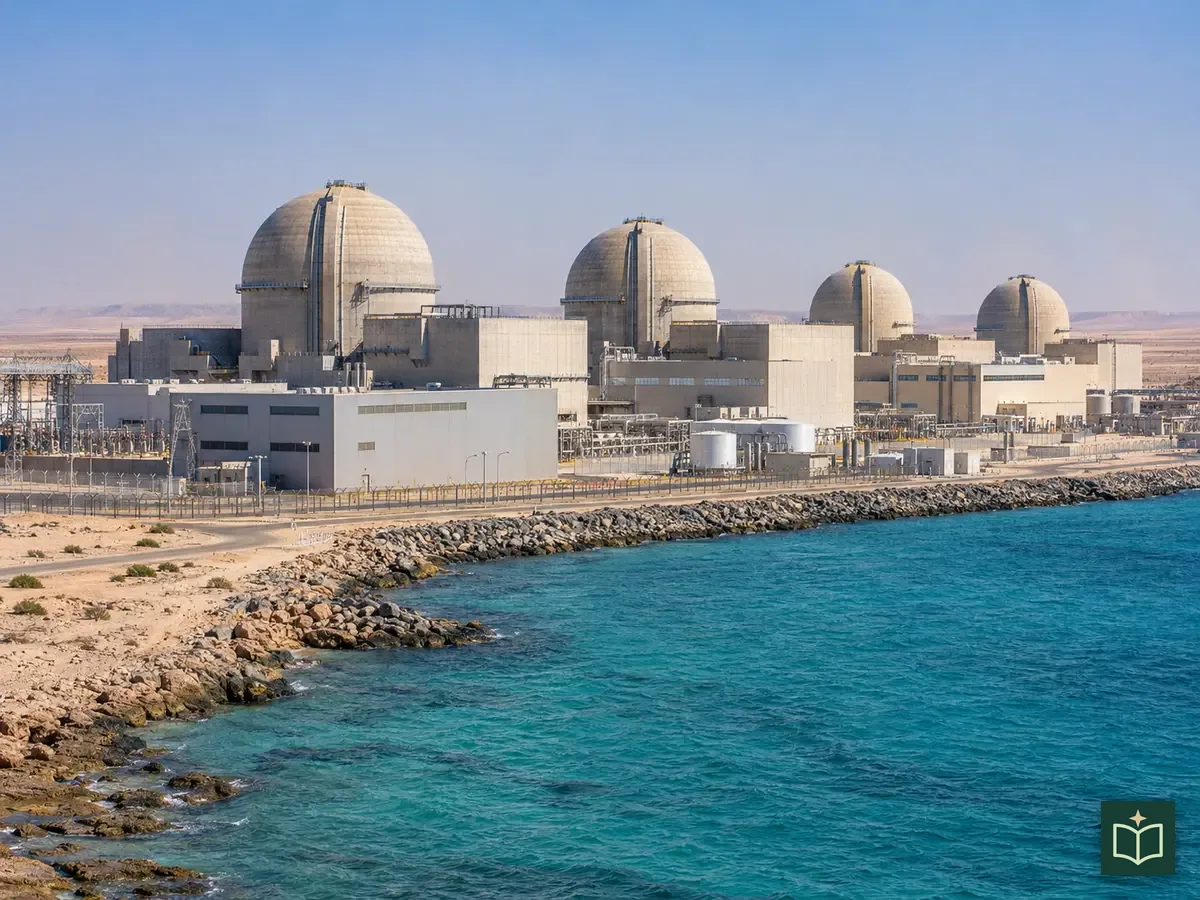
Non-nuclear-weapon states must accept safeguards applied by the International Atomic Energy Agency, based in Vienna, to verify that nuclear material is not diverted from peaceful uses to weapons. Safeguards include accounting for nuclear material, surveillance cameras, seals and on-site inspections. After discoveries in the early 1990s showed that comprehensive safeguards had limits, the IAEA developed a model Additional Protocol in 1997, which gives inspectors broader access to information and sites. Many states have adopted it, though it remains voluntary. The UAE, which built the Barakah nuclear power plant, has an Additional Protocol in force and has stated that it will not pursue domestic uranium enrichment or reprocessing.
Review and withdrawal
Parties meet at review conferences every five years to assess implementation and agree on future steps, with preparatory meetings in between. Conferences seek consensus on final documents, which is difficult to achieve, and several have ended without one. Article X allows a party to withdraw with three months’ notice if it decides that extraordinary events related to the treaty’s subject matter have jeopardised its supreme interests. North Korea announced its withdrawal in 2003 and later conducted nuclear tests, a case that raised questions about the withdrawal provision. India, Israel and Pakistan have never joined the treaty, remaining outside its framework.
Common misconceptions
A frequent misconception is that the NPT bans nuclear weapons entirely. It does not; it recognises five nuclear-weapon states while committing all parties to pursue disarmament. A separate Treaty on the Prohibition of Nuclear Weapons, adopted in 2017 and in force since 2021, does ban them for its parties, but the nuclear-armed states have not joined. Another misconception is that peaceful nuclear programmes are inherently suspect. Most states with nuclear power operate under full safeguards without controversy. The underlying challenge is that some technologies, particularly uranium enrichment and plutonium reprocessing, can serve both civilian fuel needs and weapons production, which is why verification is central.
Why it matters
The NPT is widely credited with helping to keep the number of nuclear-armed states far lower than feared in the 1960s. It also underpins the international market for civilian nuclear technology, because suppliers generally require safeguards as a condition of export. At the same time, the treaty faces persistent debates over the pace of disarmament, regional security concerns and compliance disputes. Proposals for regional arrangements, including a zone free of weapons of mass destruction in the Middle East, have been discussed at review conferences for decades. For readers, the key terms to understand in news coverage are safeguards, the Additional Protocol, enrichment levels and review conference outcomes.
Sources & further reading
- UN Office for Disarmament Affairs · NPT ↗
- International Atomic Energy Agency · Safeguards ↗
- Britannica · Nuclear Non-proliferation Treaty ↗
Figures are rounded and widely published; check the linked organisations for the latest editions. These organisations do not endorse this website.