Where wave energy comes from
Waves are created by wind blowing across the sea surface, so wave power is really solar energy passed on through the atmosphere. The longer and stronger the wind blows over open water, the more energy the waves store. Coastlines facing big oceans—western Europe, southern Australia, the Pacific coast of the Americas—have the richest resources.
Many ways to catch a wave
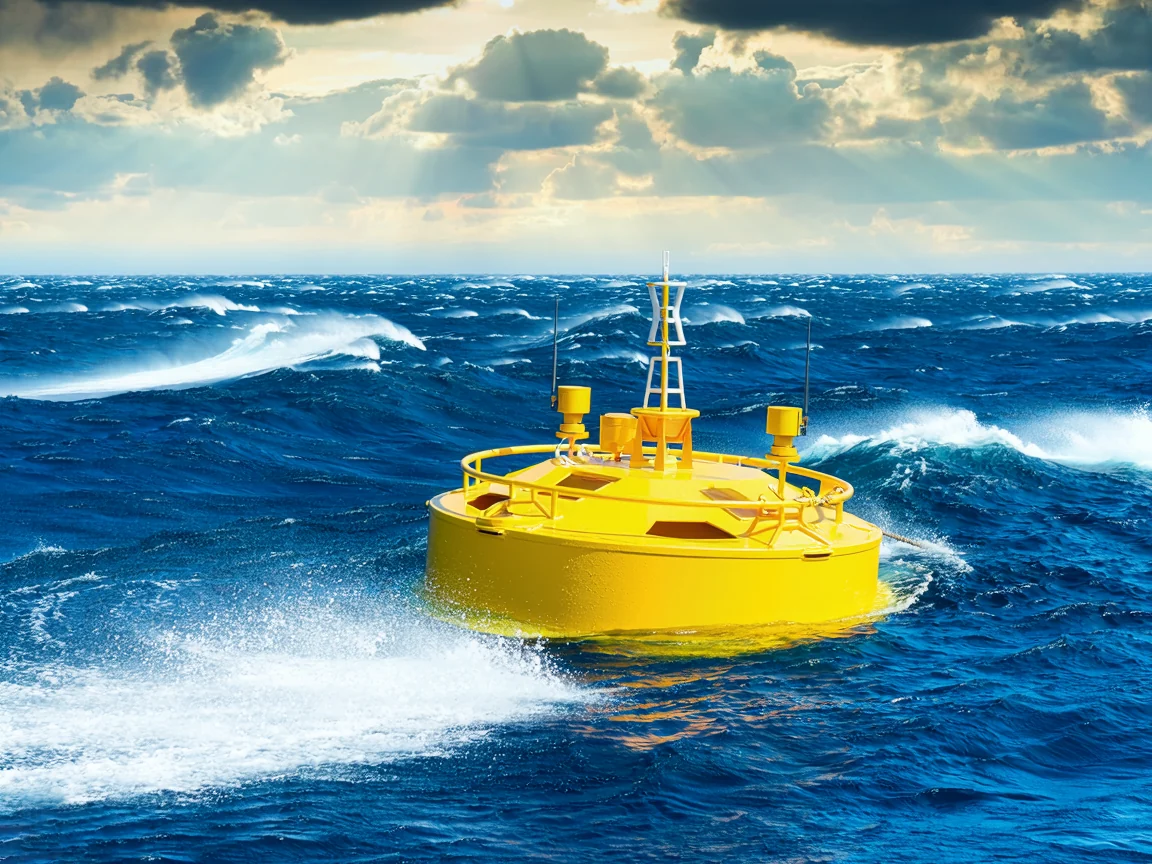
Engineers have tried dozens of designs. Point absorbers are buoys that bob up and down to drive a generator. Oscillating water columns use waves to push air through a turbine inside a chamber. Hinged flaps on the seabed swing back and forth, and long snake-like attenuators flex at their joints as waves pass along them.
The engineering challenge
The sea is relentlessly corrosive, and storms can deliver forces many times greater than normal conditions. Devices must survive those extremes while still capturing gentle everyday swells. Maintenance offshore is expensive, and slow, irregular wave motion must be converted into the steady frequency the grid requires.
Still early
Compared with wind and solar, wave power remains small and mostly at the demonstration stage. Its appeal is predictability: waves can be forecast days ahead and keep arriving after the wind has dropped. If costs fall, it could complement other renewables on exposed coasts and islands.
Sources & further reading
Resource figures are broad averages; local wave energy varies strongly with season and location. Photograph: original AI-generated illustration (Adobe Firefly). Reference organisations do not endorse this website.