Origins
The UN General Assembly created the International Children's Emergency Fund in 1946 to provide food and healthcare to children after the Second World War. In 1953 it became a permanent part of the UN, keeping the familiar acronym UNICEF.
Supply power
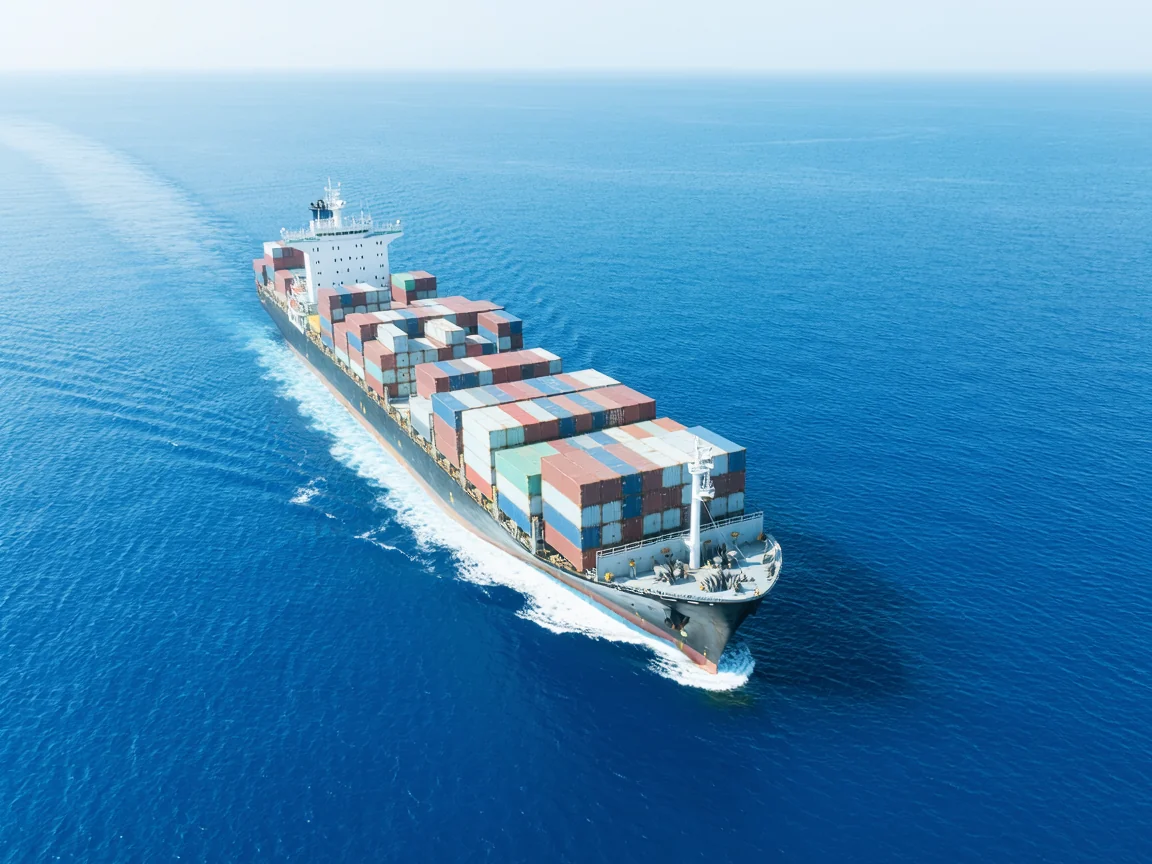
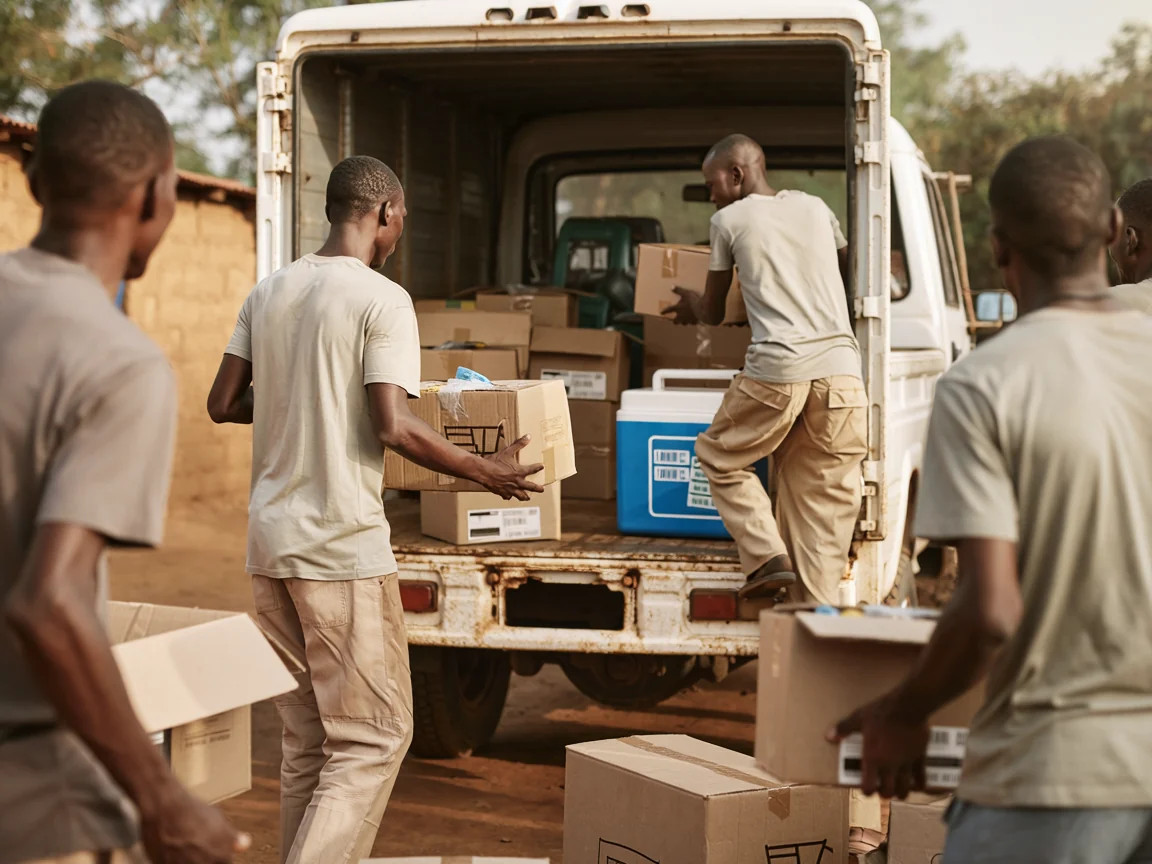
UNICEF's supply division, based in Copenhagen, procures vaccines, medicines, nutrition products and school kits on a huge scale. Bulk purchasing lowers prices, and the agency manages cold chains to keep vaccines effective in hot climates.
Emergencies and development
UNICEF responds to disasters and conflicts with water, nutrition and child protection, and also runs long-term development work. It promotes the Convention on the Rights of the Child, the most widely ratified human rights treaty.
Funding
UNICEF relies entirely on voluntary contributions from governments, private donors and national committees that raise money in wealthy countries. It received the Nobel Peace Prize in 1965.
Sources & further reading
Country coverage and funding figures change annually. Photograph: original AI-generated illustration (Adobe Firefly). Reference organisations do not endorse this website.