Origins
WFP was set up in 1961 as an experiment and became a full UN programme in 1965. It is governed by an executive board of member states and funded entirely by voluntary contributions, mainly from governments.
Emergency logistics
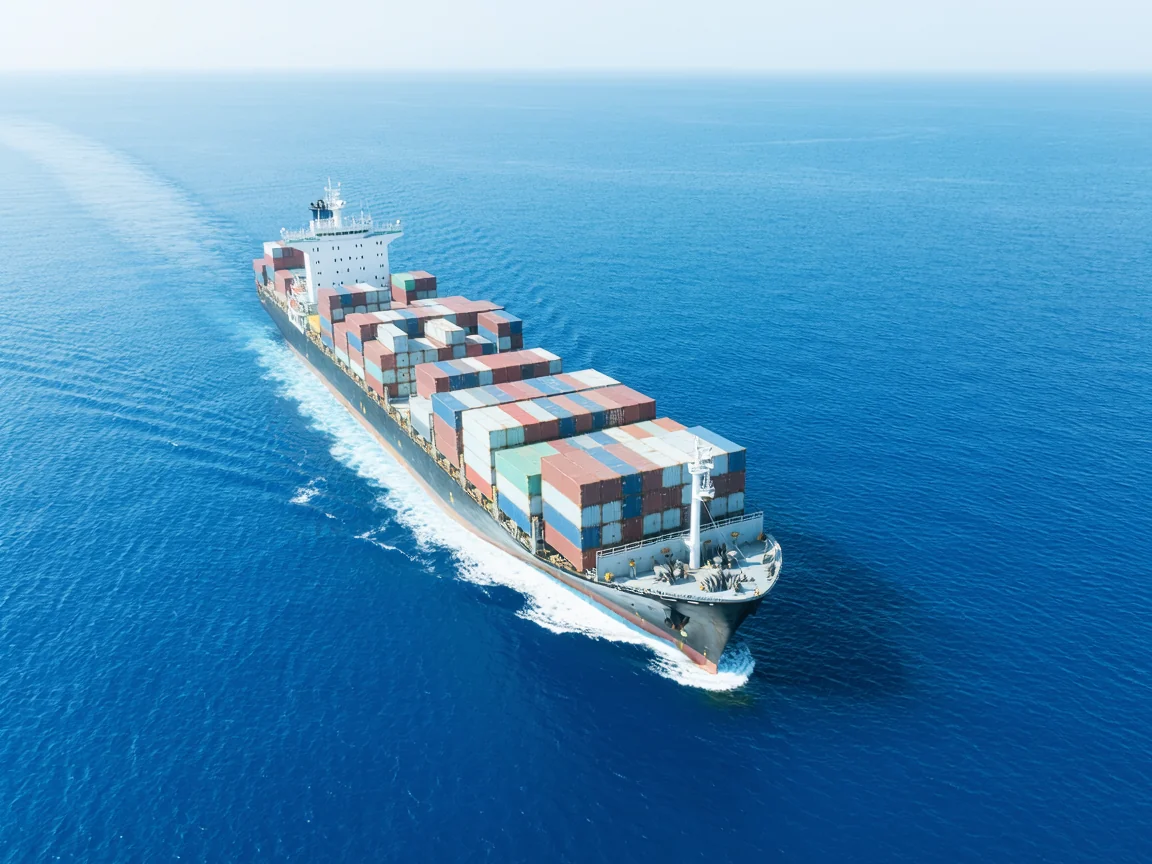
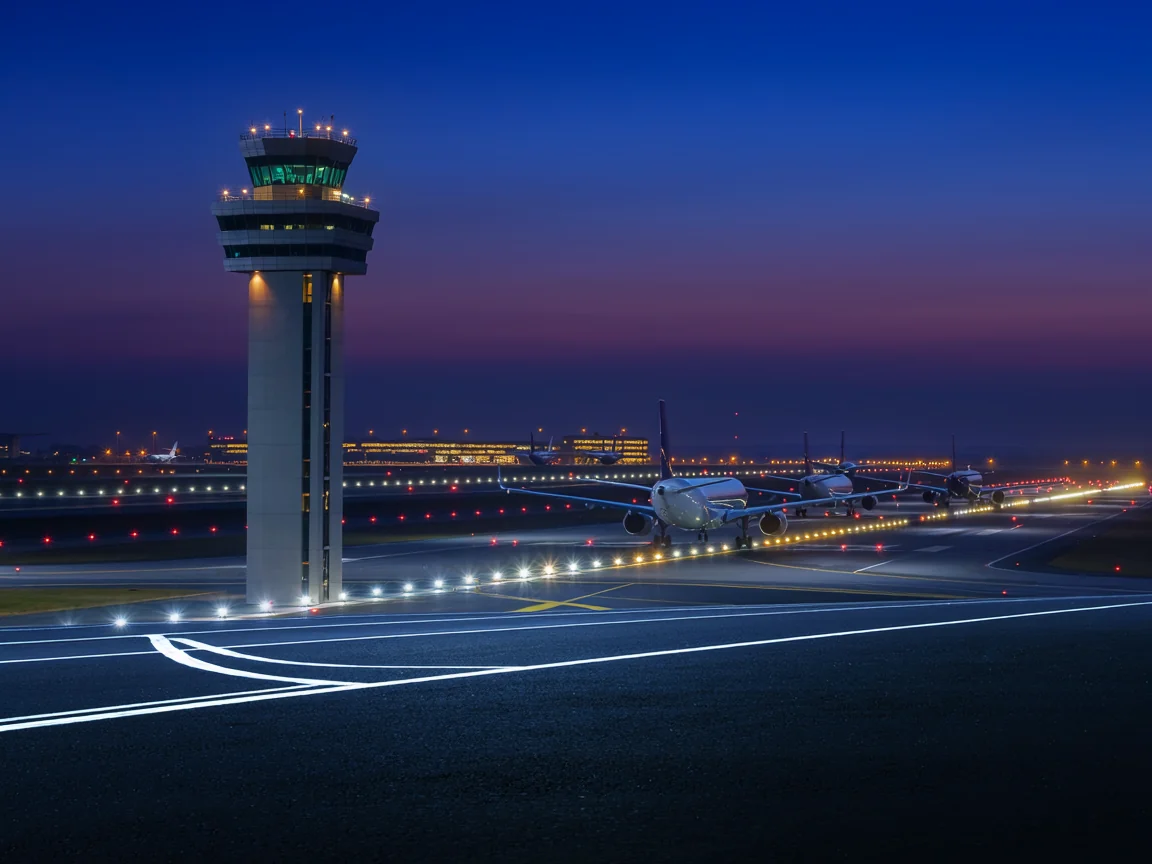
Reaching people in conflict zones and disaster areas requires trucks, ships, aircraft and sometimes airdrops. WFP manages large logistics networks and leads the humanitarian logistics cluster, which coordinates transport for other agencies too.
Beyond rations
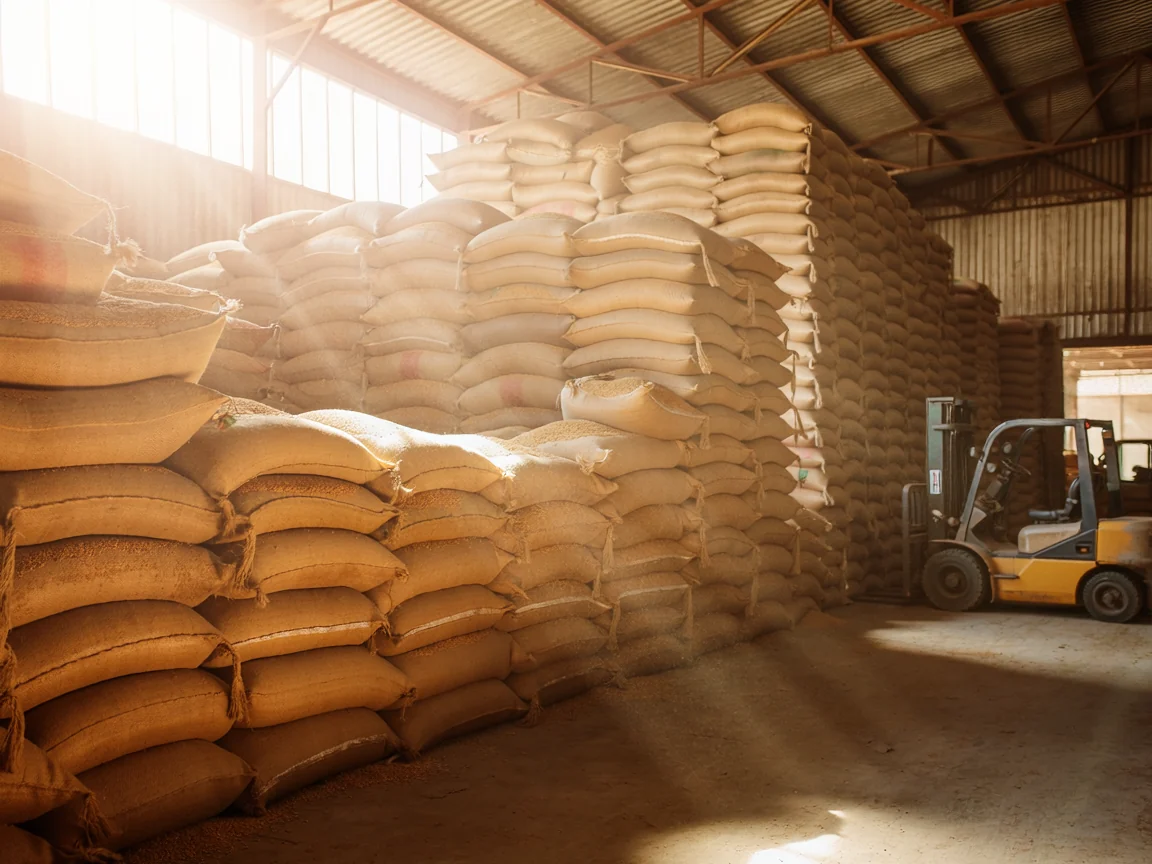
Alongside food aid, WFP supports school meal programmes, nutrition for young children and mothers, and projects that help communities withstand droughts and floods. Cash-based transfers have become a large share of its assistance.
Recognition and limits
WFP received the 2020 Nobel Peace Prize for its efforts against hunger and for preventing the use of hunger as a weapon of war. Its operations depend on donor funding, and shortfalls can force ration cuts.
Sources & further reading
Operational figures change each year. Photograph: original AI-generated illustration (Adobe Firefly). Reference organisations do not endorse this website.