What peacekeeping is
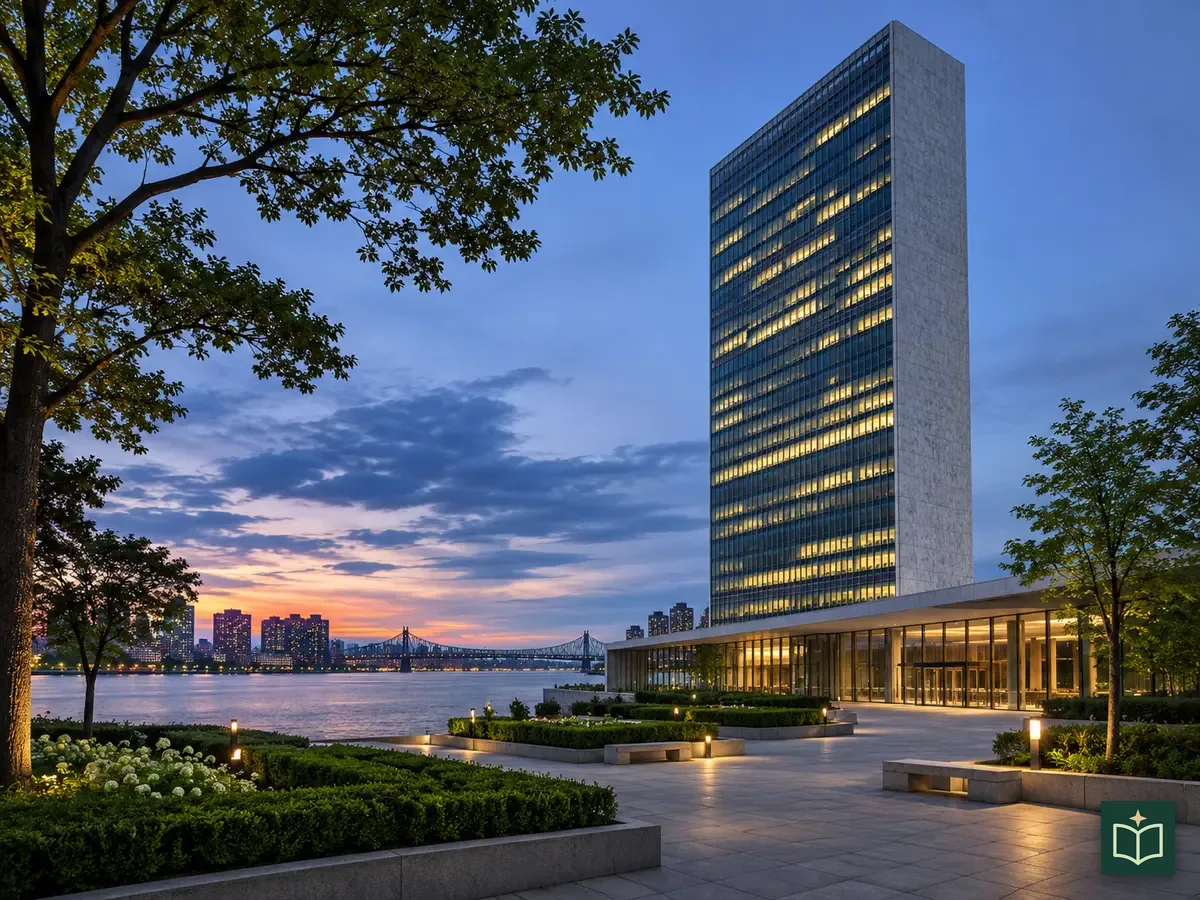
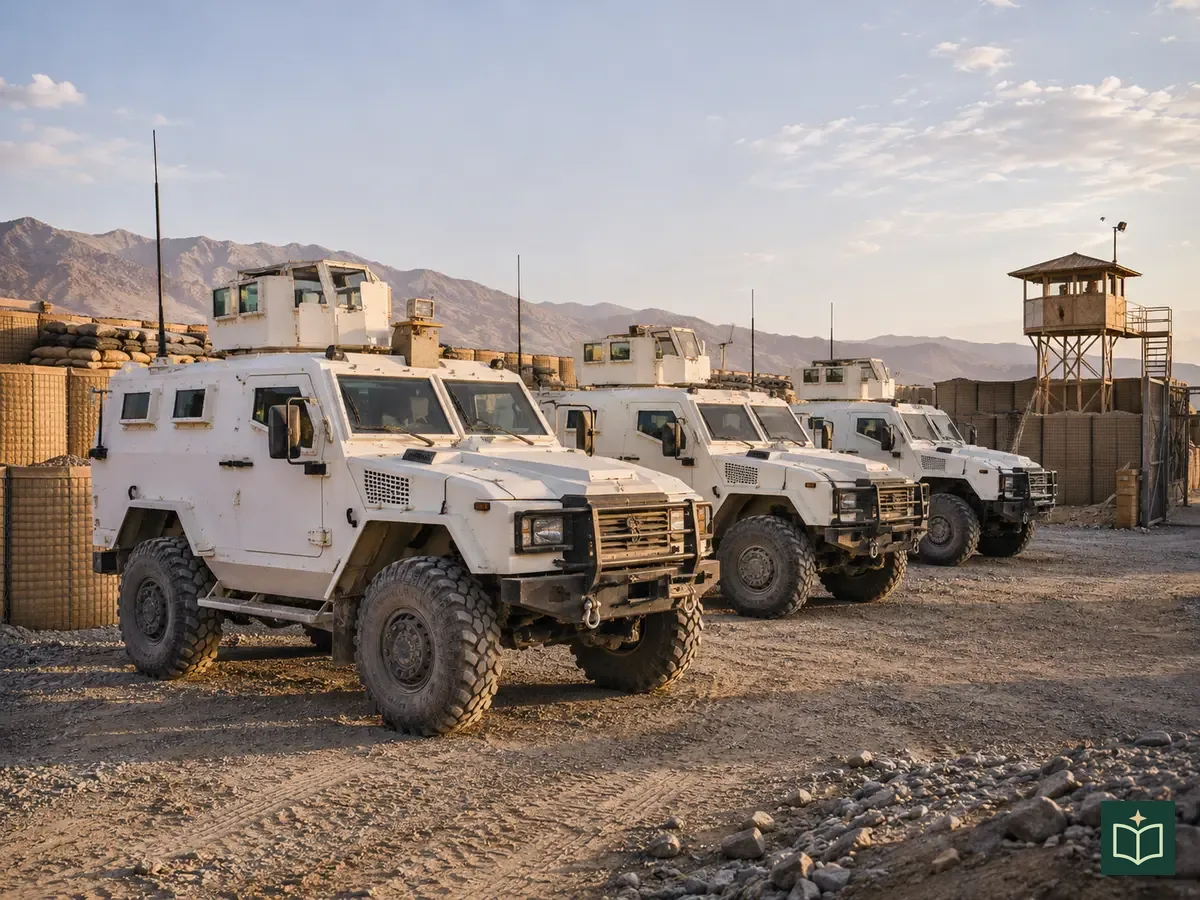
Peacekeeping is not mentioned in the UN Charter. It developed through practice as a way for the United Nations to help countries move from conflict to peace, sitting somewhere between the Charter’s chapters on peaceful settlement of disputes and on enforcement. The first operation, the UN Truce Supervision Organization, deployed unarmed military observers to the Middle East in 1948, and it still operates today. The first armed peacekeeping force was sent to Egypt’s Sinai after the 1956 Suez crisis. Peacekeepers wear their own national uniforms with distinctive blue helmets or berets. In 1988, UN peacekeeping forces were collectively awarded the Nobel Peace Prize for their work.
Three guiding principles
Peacekeeping rests on three principles. The first is consent: missions deploy with the agreement of the main parties to the conflict, normally including the host government. The second is impartiality: peacekeepers must apply their mandate without favour or prejudice towards any party, which is different from neutrality, because they should not overlook violations. The third is non-use of force except in self-defence and defence of the mandate. Since the late 1990s, many missions have been authorised to use force to protect civilians under imminent threat of physical violence. Balancing these principles is difficult, especially where armed groups have not agreed to peace or where consent is partial or withdrawn.
How a mission is created
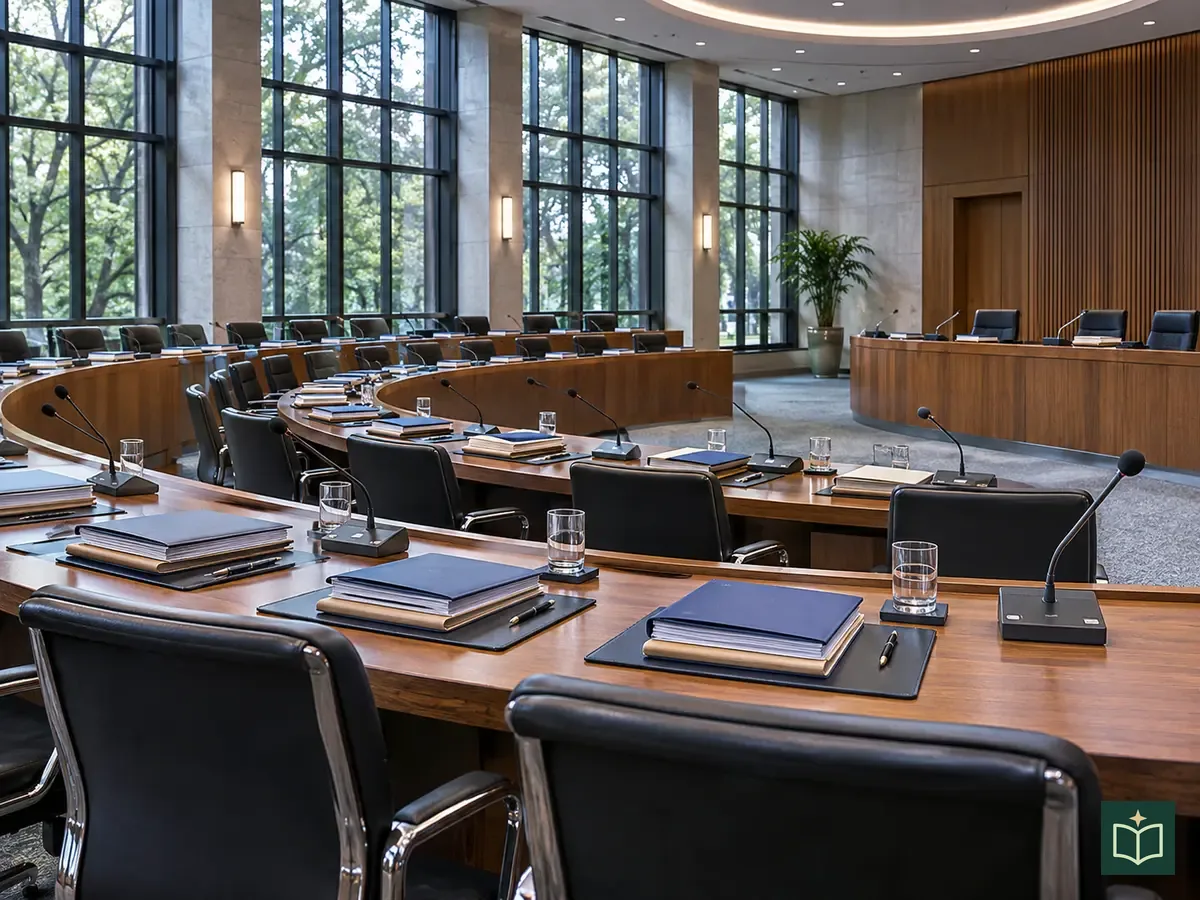
Missions are established by Security Council resolutions, which require nine votes and no veto from the five permanent members. The resolution sets the mandate, which may include monitoring ceasefires, protecting civilians, supporting elections, disarming former fighters, training police or helping to restore the rule of law. The Secretariat then plans the mission and asks member states to contribute personnel. The UN has no standing army, so every deployment depends on national contributions of troops, police and equipment. Missions also include large civilian components covering human rights, political affairs and logistics. Mandates are reviewed and renewed periodically, often every year, giving the Council a chance to adjust them.
Who pays and who serves
Peacekeeping has its own budget, separate from the UN’s regular budget, approved annually by the General Assembly. All member states contribute according to a special scale that requires permanent Council members to pay a larger share, reflecting their particular responsibility for peace and security. Countries that provide troops are reimbursed at standard rates per soldier and for equipment. Many of the largest contributors of personnel are countries in South Asia and Africa, including Bangladesh, India, Nepal, Pakistan, Rwanda and Ethiopia. Gulf states have supported peacekeeping through financing, logistics and diplomacy, and the UN has regional logistics hubs that help supply missions across multiple countries.
Limits and criticisms
Peacekeeping missions have recorded important successes, helping end conflicts and support transitions in countries such as Namibia, Mozambique, Sierra Leone and Liberia. They have also faced serious failures, most painfully in Rwanda in 1994 and Srebrenica in 1995, where peacekeepers lacked the mandate, numbers or support to prevent mass atrocities. A major review in 2000, known as the Brahimi Report, called for clearer and achievable mandates. Missions have also faced allegations of misconduct, leading to stronger accountability policies. Analysts note that peacekeepers cannot impose peace by themselves; outcomes depend heavily on the parties’ willingness to settle, regional support and sustained political engagement.
Why it matters
Peacekeeping remains one of the most visible activities of the United Nations, involving tens of thousands of personnel from many countries. Research has found that peacekeeping deployments are associated with fewer civilian deaths and lower risk of conflicts restarting, though results vary by context and design. Debates continue about funding, the role of regional organisations such as the African Union, the safety of peacekeepers and the conditions under which missions should withdraw. When a peacekeeping mission appears in the news, the most useful questions are what its mandate allows, whether the parties consent, how many personnel it has and when the Security Council is next due to review it.
Sources & further reading
Figures are rounded and widely published; check the linked organisations for the latest editions. These organisations do not endorse this website.