A village and an idea
The Schengen Area takes its name from a small wine-growing village in Luxembourg, close to the borders of France and Germany. There, in 1985, five countries, Belgium, France, West Germany, Luxembourg and the Netherlands, signed an agreement to gradually abolish checks at their common frontiers. A detailed implementing convention followed in 1990, and the system began operating in 1995. In 1999, the Schengen rules were brought into European Union law. Membership has since grown to 29 countries, most recently with Bulgaria and Romania, which fully joined in stages during 2024 and 2025. Several non-EU countries take part through association agreements, while some EU members remain outside.
How it works
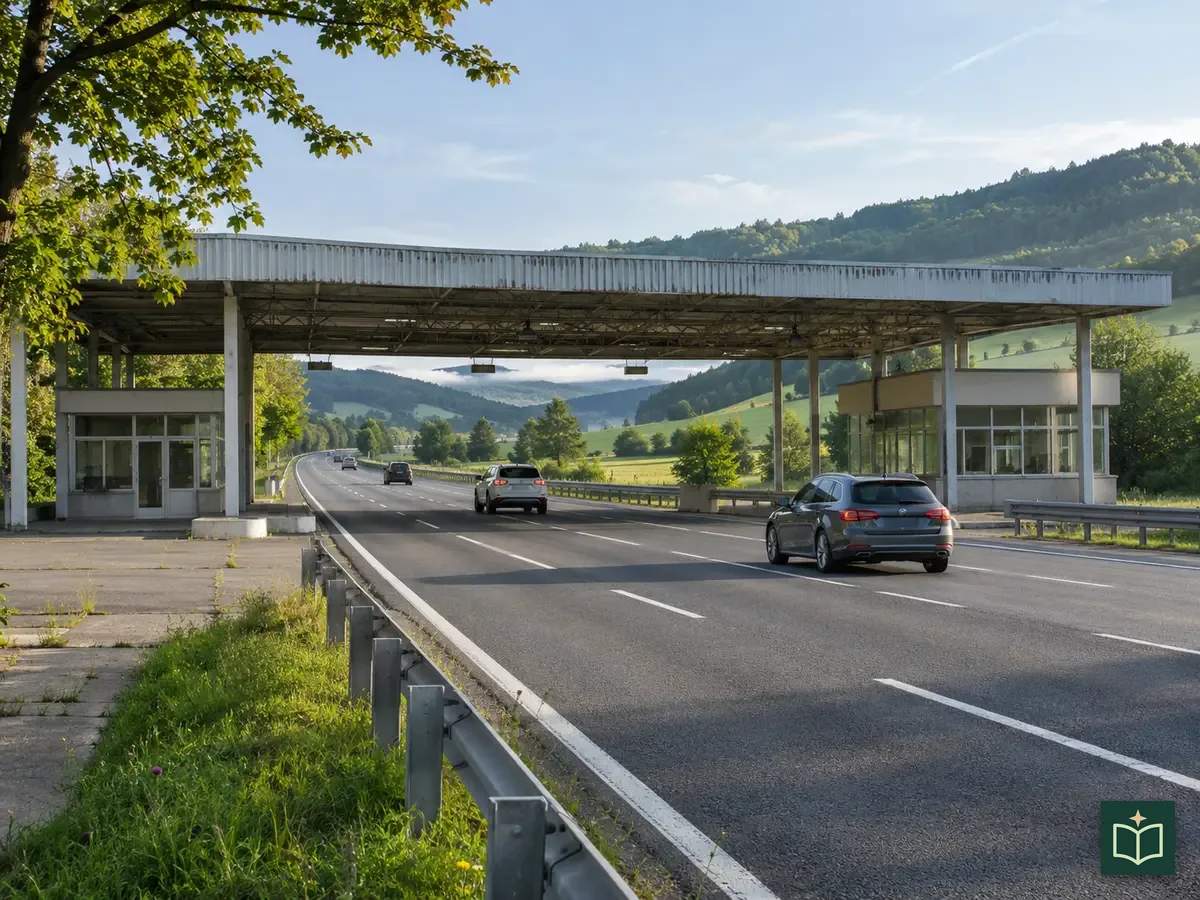
Inside the area, there are normally no systematic identity checks when crossing a border between participating countries, whether by road, rail or air. Travellers flying between two Schengen states use domestic-style terminals. To make this possible, members apply a common set of rules at the external border, set out in the Schengen Borders Code, and a common policy on short-stay visas. A Schengen visa issued by one member is valid across the whole area. Members also share the Schengen Information System, a large database of alerts on wanted or missing persons and stolen objects, which border guards and police throughout the area can consult in real time.
The ninety-day rule
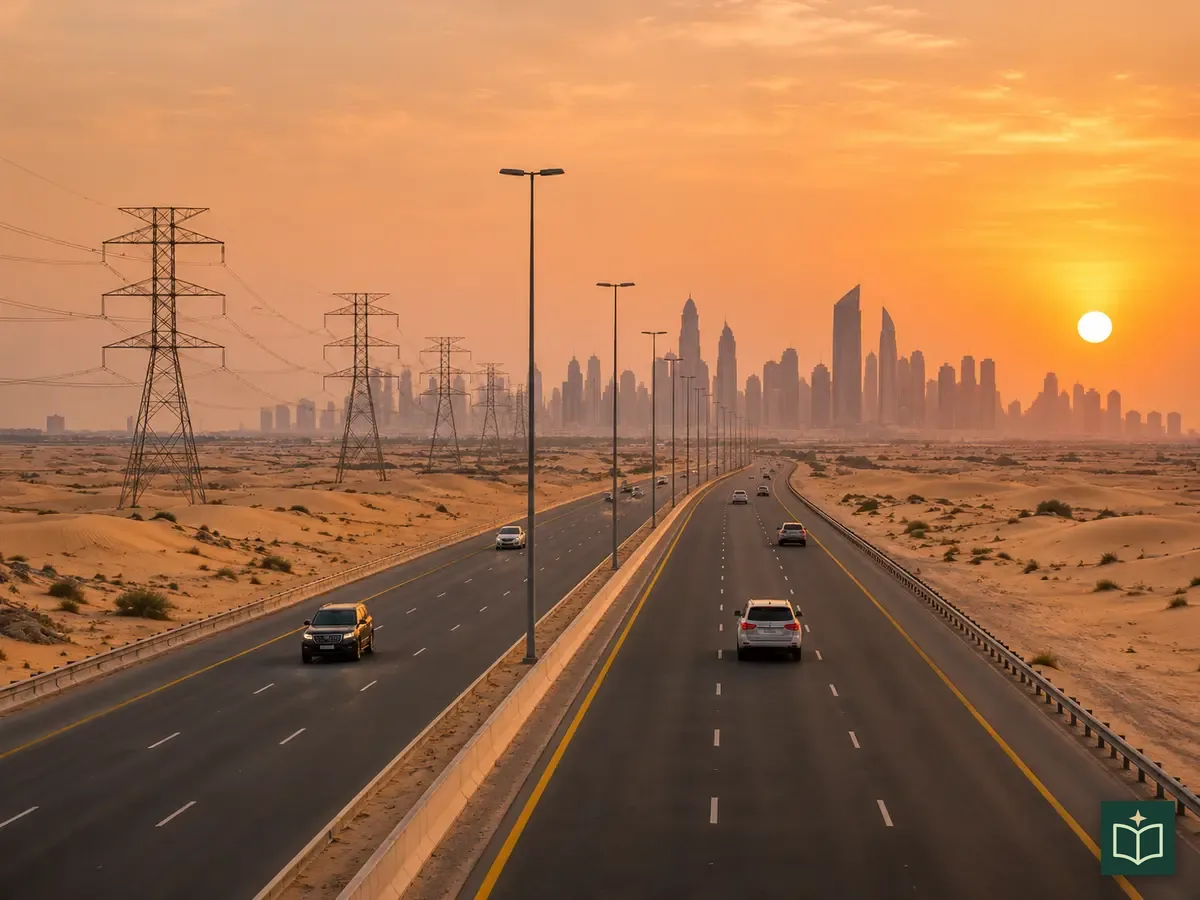
For most non-EU visitors, a short stay means up to 90 days in any rolling 180-day period, counted across the whole area rather than per country. Nationals of some countries need a visa, while others are visa-exempt for short stays. Citizens of the United Arab Emirates, for instance, have been able to visit the Schengen Area without a visa since 2015, a change that made spontaneous travel to Europe considerably easier for Emirati families. Residents of the Gulf holding other passports may still need to apply through a consulate or visa centre. Visa exemption does not grant a right to work, and border guards can still question travellers about the purpose of a trip.
When controls come back
Schengen rules allow member states to reintroduce internal border controls temporarily in cases of serious threat to public policy or internal security, for limited and extendable periods. Governments have used this provision for major events, security alerts, large-scale migration movements and public health emergencies, notably during the Covid-19 pandemic, when many internal borders were closed or controlled. Such measures must be notified to the European Commission and other members and justified as proportionate. Whether repeated extensions remain consistent with the spirit of the rules is debated by governments, lawmakers and courts, and the rules were revised in 2024 partly to clarify the conditions and time limits.
Common misconceptions
Schengen is often confused with the European Union itself. They overlap heavily but are distinct: Norway and Switzerland are in Schengen but not the EU, while Ireland is in the EU but not Schengen, maintaining instead a separate travel arrangement with the United Kingdom. Another misconception is that open borders mean no police checks at all. Police can still carry out checks inside a country, including near borders, provided they are not equivalent to systematic border controls. Finally, Schengen governs movement, not residence: the right to live and work in another country comes from separate EU free movement rules or national immigration law.
Why it matters
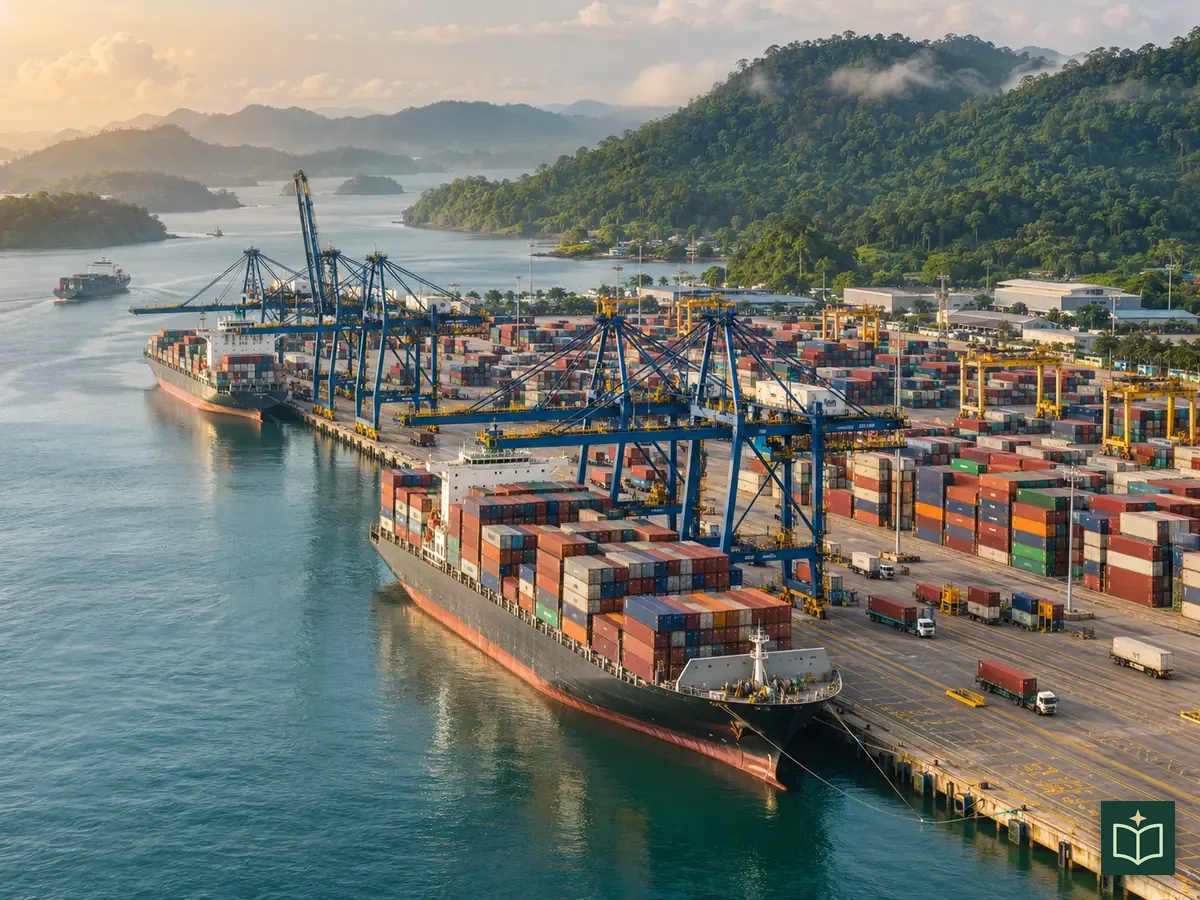
For residents of member countries, Schengen is part of daily life: commuters cross frontiers to work, lorries move goods without long border queues and families visit relatives in neighbouring countries with ease. Studies by EU institutions have linked border controls with measurable costs in time and trade. At the same time, Schengen depends on trust that every member guards the external frontier effectively and shares information. The EU has been introducing new digital systems to record the entries and exits of non-EU travellers and to pre-screen visa-exempt visitors. Travellers from the Gulf and elsewhere should check official EU and national sources before each trip, because procedures can change.
Sources & further reading
Figures are rounded and widely published; check the linked organisations for the latest editions. These organisations do not endorse this website.