Origins
The Cooperation Council for the Arab States of the Gulf, widely known as the GCC, was founded on 25 May 1981 at a summit in Abu Dhabi. Its six members, Bahrain, Kuwait, Oman, Qatar, Saudi Arabia and the United Arab Emirates, share geography, history, monarchical systems of government and economies built largely on hydrocarbons. The founding charter describes goals of coordination, integration and interconnection in economic, financial, social, legislative and other fields. Regional security concerns at the time, including the war between Iran and Iraq that began in 1980, gave the project added urgency. The GCC is an intergovernmental organisation, so members retain full sovereignty over their own policies and laws.
How decisions are made
The highest authority is the Supreme Council, made up of the heads of state of the six members. It normally meets once a year in an ordinary summit, with the presidency rotating among members, and can hold extraordinary sessions. Under the charter, decisions on substantive matters require unanimous approval of the members present and voting, while procedural matters need only a majority. Below the summit sits the Ministerial Council of foreign ministers, which prepares policies and recommendations, and many specialised committees for areas such as finance, trade, energy and the interior. The Secretariat-General, based in Riyadh and led by a secretary-general appointed by the leaders, coordinates the work.
Economic integration
Economic cooperation has been the GCC’s most visible area of progress. A unified economic agreement in 1981 was followed by a customs union, launched in 2003 with a common external tariff on most imports, and a common market declared in 2008, which aims to give GCC citizens equal treatment in areas such as employment, residence, property ownership and investment across member states. Citizens of member states can generally travel between them using national identity cards rather than passports. A planned monetary union with a single currency did not proceed as originally envisaged: the UAE and Oman chose not to join the project, and the remaining members did not adopt a common currency.
Security and politics
In 1984, the members created the Peninsula Shield Force as a joint military framework, and they have since signed agreements on defence and internal security cooperation. Foreign policy coordination has been more variable, because each member pursues its own national priorities and relationships. Members have at times taken different positions. A diplomatic rift between some members that began in 2017 was formally resolved at the Al-Ula summit in Saudi Arabia in January 2021, where leaders signed a declaration restoring ties. Analysts describe the GCC’s resilience through that period as evidence that its institutions provide a durable framework, even when political relations between particular capitals are strained.
Practical effects
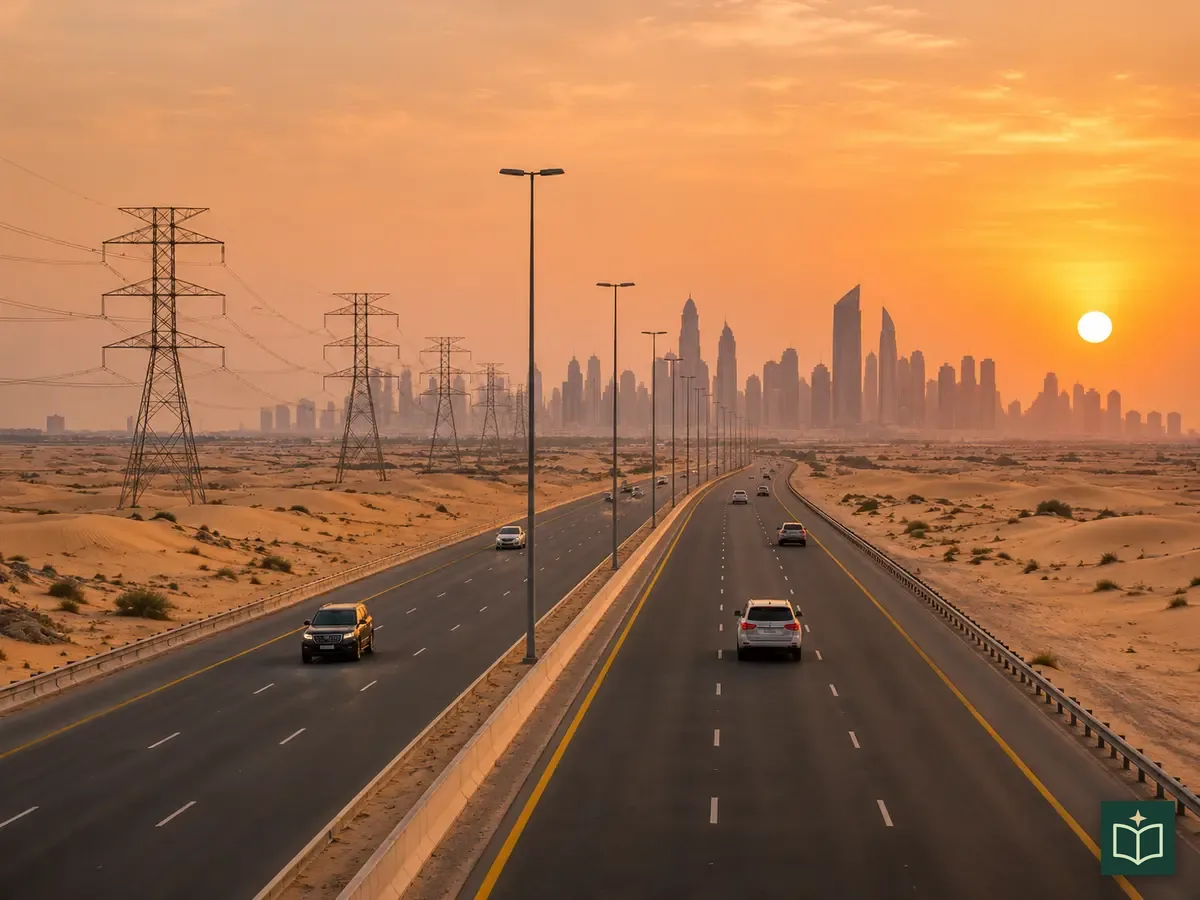
For people living in the Gulf, the GCC shows up in everyday rules. GCC nationals in the UAE, for example, can work without the visa sponsorship required of most other foreign nationals, and they enjoy treatment similar to Emirati citizens in many areas of economic life. Cross-border projects such as the GCC electricity interconnection grid allow member states to share power during emergencies and peak demand. Long-planned projects, including a regional railway network and a unified tourist visa for international visitors, have been announced in stages, with each member developing its own national segments and systems. Progress on such projects depends on coordinated national investment and regulation.
Why it matters
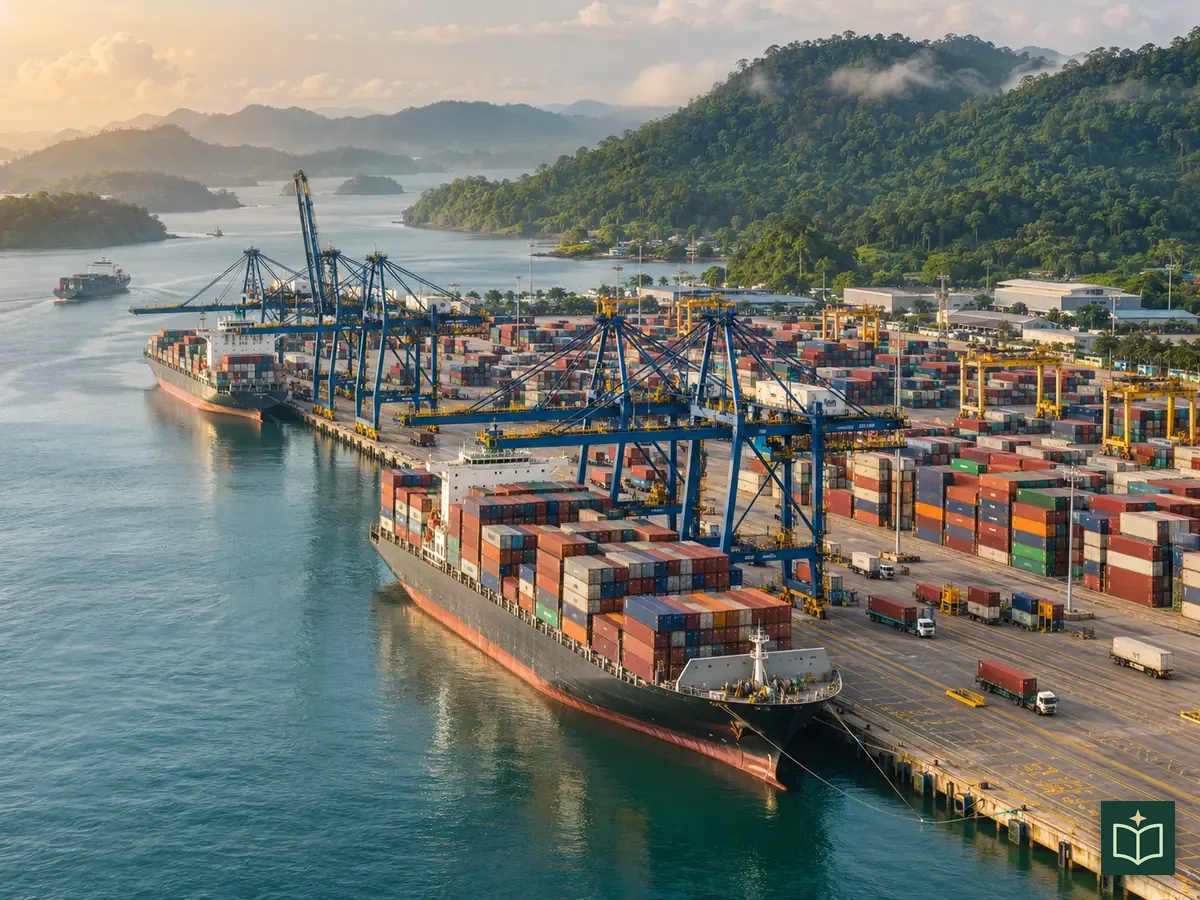
The GCC brings together a large share of the world’s proven oil reserves and some of its most important sovereign wealth funds, ports, airlines and financial centres, so its policies affect global energy and trade. It also negotiates collectively with external partners, and the bloc has pursued free trade talks with several economies. Debates about the organisation commonly focus on how far to deepen integration, how to balance national sovereignty with common rules, and how to coordinate economic diversification away from hydrocarbons. When the annual summit communiqué is published, readers can look for specific commitments with dates and mechanisms, which tend to indicate where practical cooperation is likely to advance.
Sources & further reading
Figures are rounded and widely published; check the linked organisations for the latest editions. These organisations do not endorse this website.