Reigning, not ruling
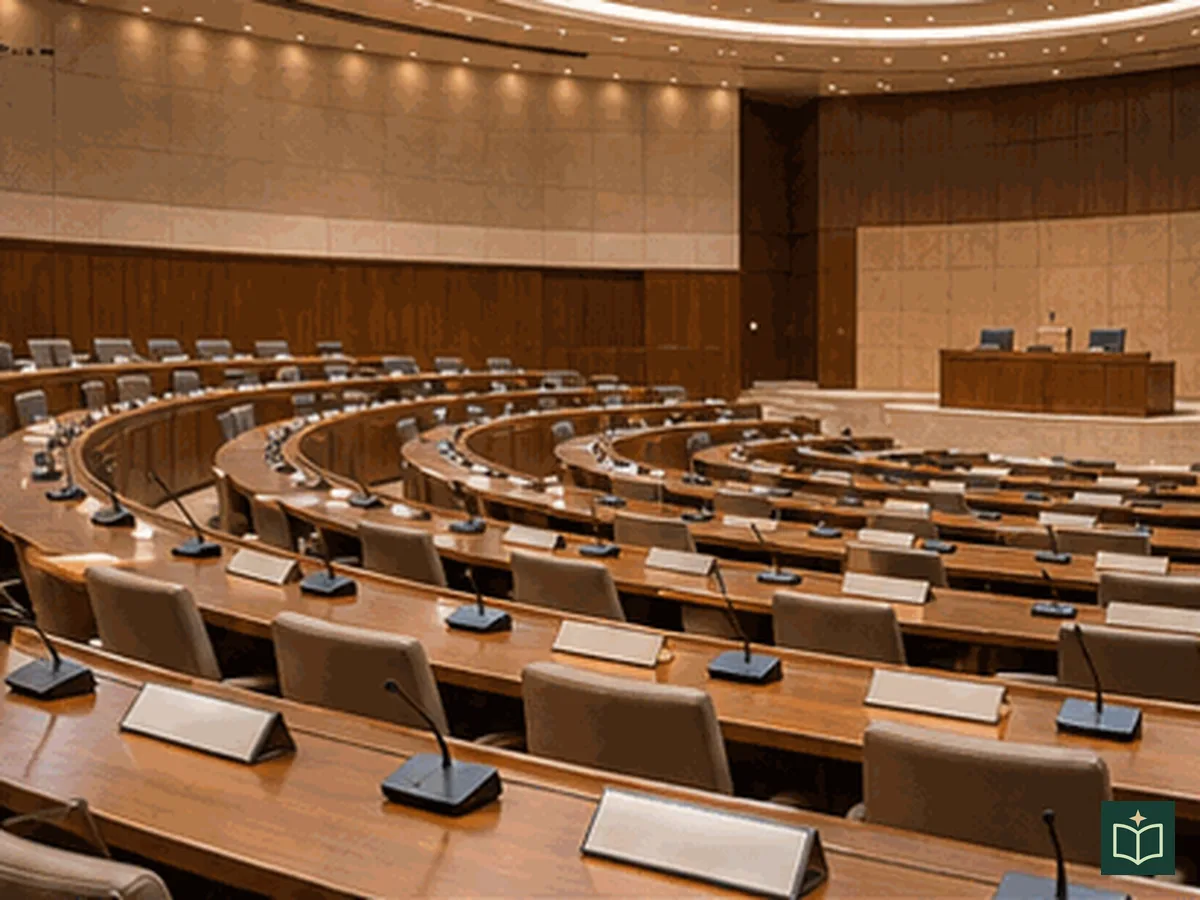
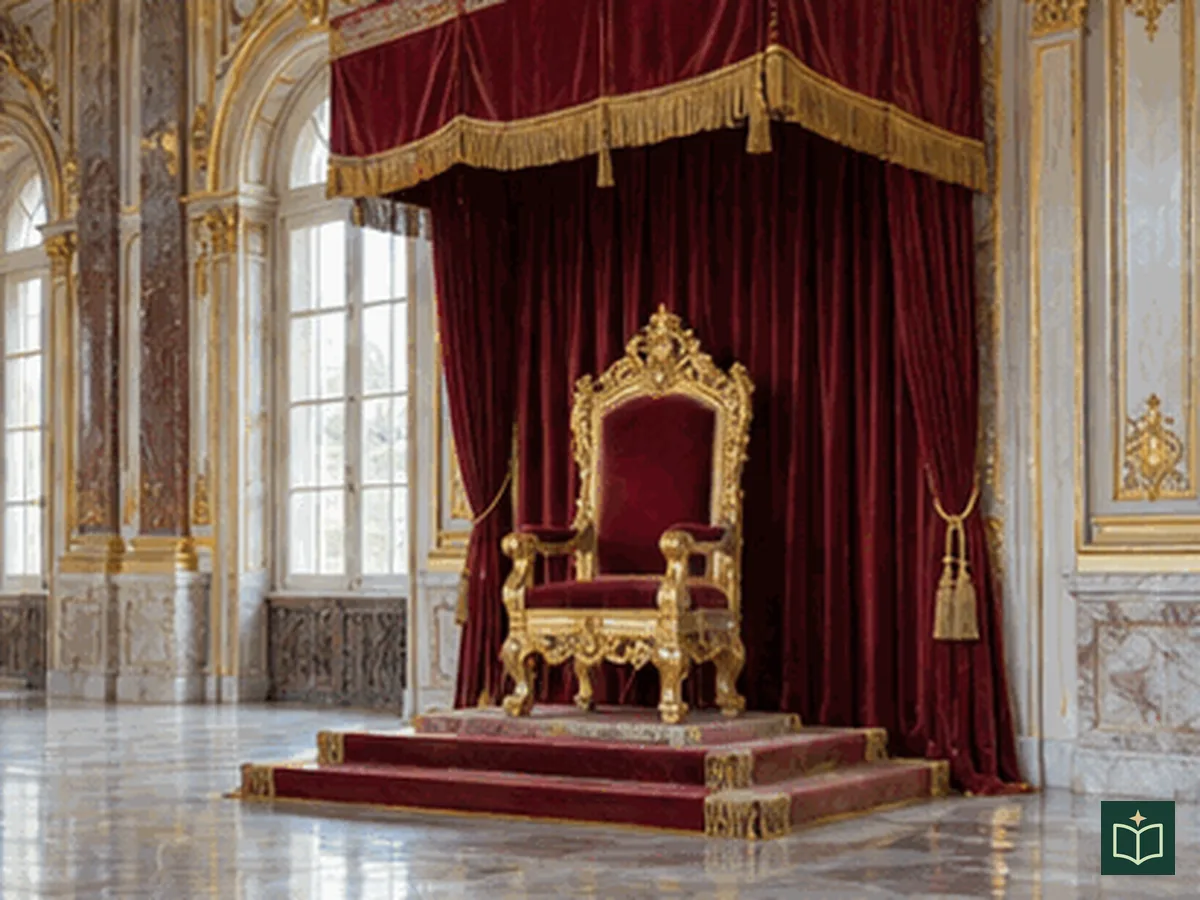
A constitutional monarchy is a state in which a hereditary or elected monarch is head of state, but political power is exercised by elected representatives within limits set by a constitution. The monarch's role is largely formal and symbolic. Laws are signed, parliaments opened and ministers appointed in the monarch's name, but the decisions behind these acts are made by the government, which answers to parliament and voters. The distinction is often summed up in the phrase that the monarch reigns but does not rule. Countries with this system include the United Kingdom, Spain, the Netherlands, Belgium, Norway, Sweden, Denmark, Japan and Thailand, among others.
Acting on advice
The central rule is that the monarch acts on the advice of ministers. In some countries this is written into the constitution; in the United Kingdom it rests largely on long-established convention. When a government wins a parliamentary majority, the monarch appoints its leader as prime minister. When parliament passes a bill, the monarch grants assent. The Victorian writer Walter Bagehot argued in 1867 that a constitutional monarch keeps three rights: to be consulted, to encourage and to warn. Those private conversations with the prime minister may carry influence, but in public the monarch remains politically neutral, which allows the crown to represent the whole nation rather than any party.
Reserve powers
Most constitutional monarchs, or their representatives, keep a small set of reserve powers that can be used without or against ministerial advice in exceptional circumstances. These may include choosing a prime minister when no party has a majority, or refusing a request to dissolve parliament if another government could be formed. Such powers are used very rarely, and their scope is often debated. A well-known example came in Australia in 1975, when the Governor-General, representing the monarch, dismissed the elected prime minister during a deadlock over the budget, a decision that remains controversial. In Spain, the king's televised intervention during a failed coup attempt in 1981 is often cited as a defence of the constitution.
Many variations
Constitutional monarchies differ widely. Sweden's 1974 constitution removed almost all of the king's formal political functions; even the prime minister is nominated by the speaker of parliament. Japan's post-war constitution of 1947 describes the emperor as the symbol of the state, with no powers related to government. Malaysia has an unusual elected monarchy: the nine hereditary rulers of its states choose one of their number as king for a five-year term. Fifteen countries, including Canada, Australia and New Zealand, share the British monarch as head of state, represented locally by a governor-general. The common thread is that democratic institutions, not the monarch, decide policy.
Not every monarchy is constitutional
Having a written constitution does not by itself make a monarchy constitutional in this sense. Political scientists usually distinguish constitutional or parliamentary monarchies, where the monarch's role is mainly ceremonial, from systems in which the monarch keeps substantial executive authority, appointing governments and shaping policy directly. Several monarchies in the Middle East, Africa and Asia fall into this second group, sometimes alongside elected or appointed councils. There are also mixed arrangements, in which the monarch holds significant powers in some areas, such as foreign affairs or defence, while an elected parliament legislates. Labels vary, so it is more useful to look at who actually appoints governments and approves laws.
Why it matters
Supporters of constitutional monarchy argue that a neutral, hereditary head of state provides continuity, stands above party politics and can act as a final safeguard in a crisis. Critics argue that hereditary office is hard to reconcile with democratic equality, and several countries have debated or held referendums on becoming republics. Barbados became a republic in 2021, while voters in Australia rejected a republican proposal in 1999. Whatever one's view, understanding the system helps when reading the news: a monarch's speech outlining government plans, or a signature on a new law, reflects the decisions of elected ministers, not the personal choices of the monarch.
Sources & further reading
Figures are rounded and widely published; check the linked organisations for the latest editions. These organisations do not endorse this website.