From trading floor to servers
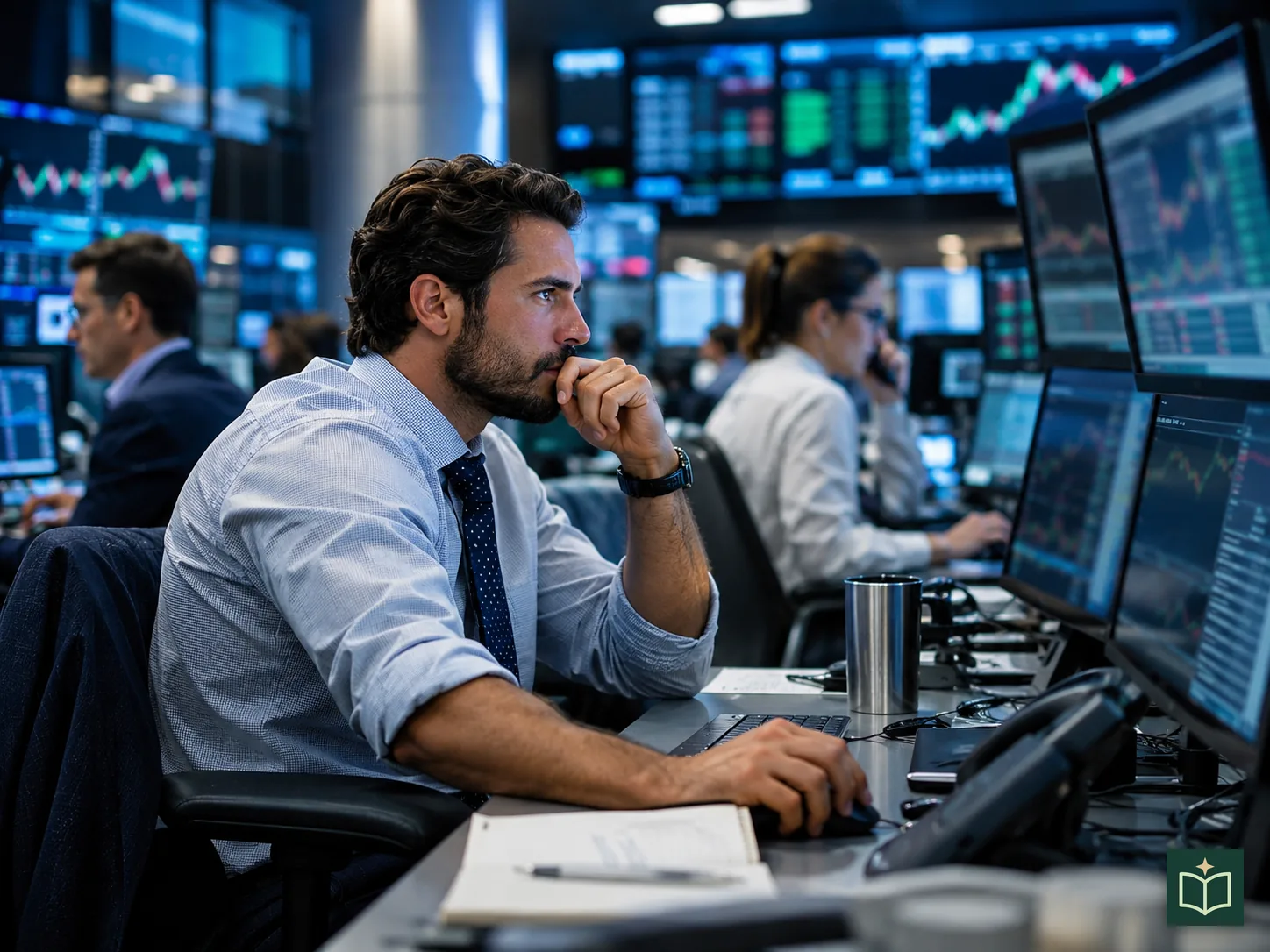
Exchanges began as physical meeting places: Amsterdam’s exchange traded shares of the Dutch East India Company in the early 1600s. Today, most trading happens electronically on matching engines that process huge volumes of orders. The Dubai Financial Market, Abu Dhabi Securities Exchange, NYSE, Nasdaq and others all run electronic order books.
Bids, asks and the spread
At any moment, the highest price buyers will pay is the bid and the lowest price sellers will accept is the ask. The gap is the spread. A market order trades immediately at the best available price; a limit order waits until the price reaches your limit. Liquid shares have narrow spreads; thinly traded shares can have wide ones.
Who keeps the market moving
Market makers and other liquidity providers continuously post bids and asks, earning small spreads and helping others trade quickly. Large investors often break orders into smaller pieces to avoid moving the price. Regulators supervise exchanges, require companies to publish financial information and monitor for manipulation and insider trading.
Why prices move
Prices change as new information shifts what investors are willing to pay: company results, interest rates, economic data or news. Exchanges use circuit breakers that pause trading after extreme moves to give investors time to absorb information. A falling share price does not mean money has ‘disappeared’ into the exchange; it reflects lower agreed prices.
Sources & further reading
Figures are rounded and widely published; check the linked organisations for the latest editions. These organisations do not endorse this website.