Why kitchens are inspected
Food poisoning is common and usually preventable. Bacteria such as Salmonella and Campylobacter, and viruses such as norovirus, spread when food is kept at the wrong temperature, when raw and ready-to-eat items mix, or when hands and surfaces are not clean. A busy restaurant handles thousands of portions a week, so small lapses can affect many people. Governments therefore license food businesses and send inspectors, often employed by municipalities or food safety authorities, to check them. In the UAE, municipal and emirate-level food safety authorities carry out this work. Inspections are usually unannounced and more frequent for businesses with higher-risk menus or poor previous results.
What an inspector looks at
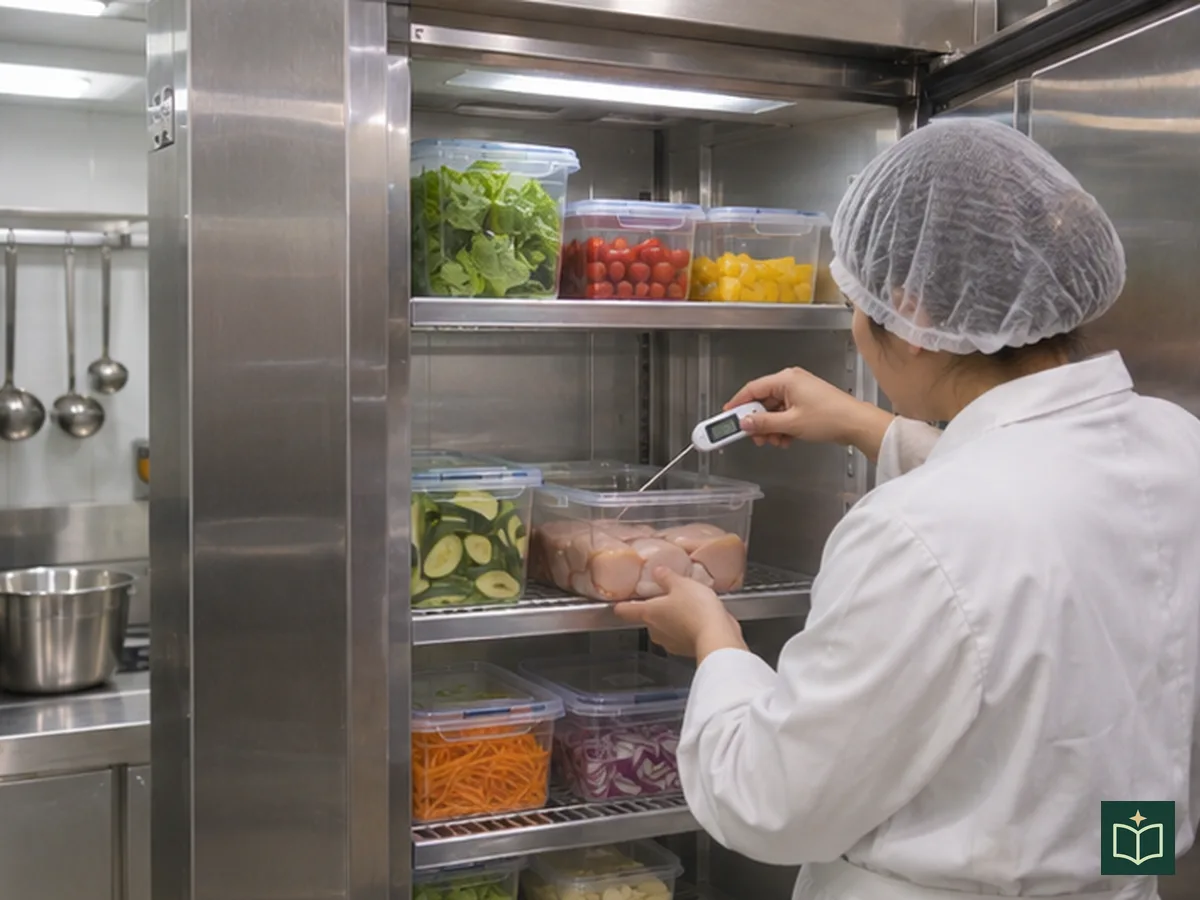
An inspection covers the whole journey of food through the kitchen. Inspectors check where ingredients come from and whether deliveries are checked. They use probe thermometers on fridges, freezers and hot-holding cabinets, since cold food should generally be kept at about 5 °C or below and hot food above about 60 °C. They look for separate boards, utensils and storage for raw meat, and for date labels on prepared items. Handwashing basins, cleaning schedules, pest control, waste storage and the condition of walls, floors and equipment all matter. They also watch staff at work and ask questions to see whether people understand the rules, not just recite them.
The paperwork matters
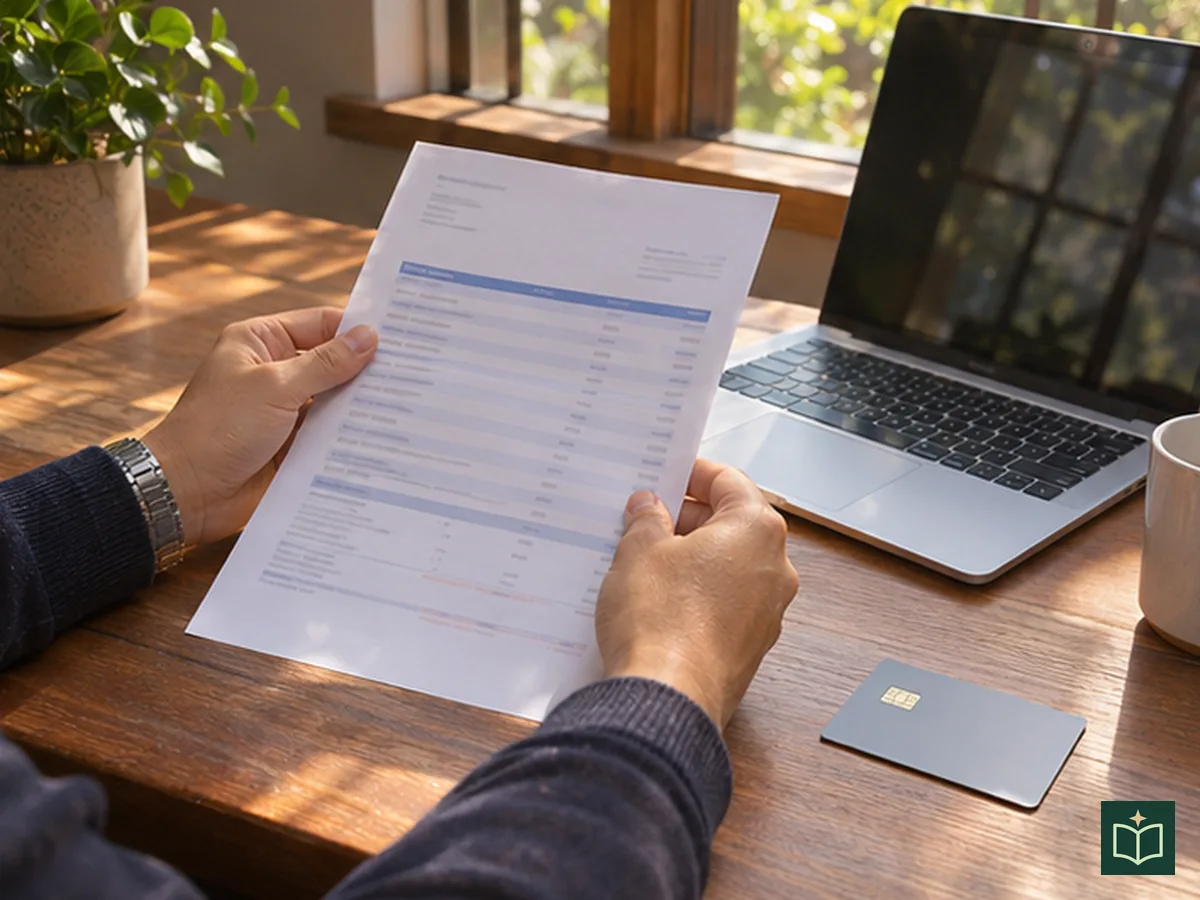
Modern food law expects businesses to run their own safety system, not simply wait for inspections. Many are based on HACCP, short for Hazard Analysis and Critical Control Points, a method first developed for the American space programme's food in the 1960s. A kitchen identifies the points where hazards can be controlled, such as cooking chicken to a safe core temperature or cooling rice quickly, sets limits and records checks. Inspectors review these records alongside training certificates and supplier documents. Gaps in paperwork can lower a score even when the kitchen looks clean, because records are the evidence that controls happen every day, not only on inspection day.
Ratings and grades
Many authorities turn findings into a public score. In England, Wales and Northern Ireland the Food Hygiene Rating Scheme gives premises a number from 0 to 5, displayed on stickers and online. New York City uses letter grades of A, B or C posted in restaurant windows. Several Gulf authorities also publish ratings or grade categories for food outlets. Scores are usually built from points deducted for violations, weighted by how serious each is. A broken tile costs less than storing raw chicken above salad. A rating reflects hygiene and management on the day of inspection and does not judge taste, service or price.
When a kitchen fails
Minor problems usually lead to advice and a written list of improvements, checked at the next visit. More serious breaches can bring formal notices with deadlines, fines or a lower published grade. Where there is an imminent risk to health, such as a pest infestation, sewage leak or no hot water for handwashing, inspectors can close premises immediately until the problem is fixed. Food that is unsafe can be seized and destroyed. Repeated or deliberate breaches may lead to prosecution or loss of a licence. Re-inspection allows a business to improve its rating once it has corrected faults, which gives owners a strong commercial reason to act.
Reading the sign on the door
For diners, a displayed rating is useful but limited. It shows conditions at one point in time, sometimes months ago, and a kitchen can improve or decline after the visit. A low rating more often reflects poor management and records than visible dirt, but both raise the chance of mistakes. A high rating does not guarantee a meal will never cause illness, since outbreaks can begin with contaminated ingredients from suppliers. Still, studies of published rating schemes suggest they encourage businesses to improve. Anyone who suspects food poisoning from a restaurant can report it to the local food safety authority, which helps inspectors find problems early.
Sources & further reading
- Food Standards Agency · Food hygiene rating scheme ↗
- WHO · Food safety fact sheet ↗
- FAO · Food safety ↗
Figures are rounded and widely published; check the linked organisations for the latest editions. These organisations do not endorse this website.