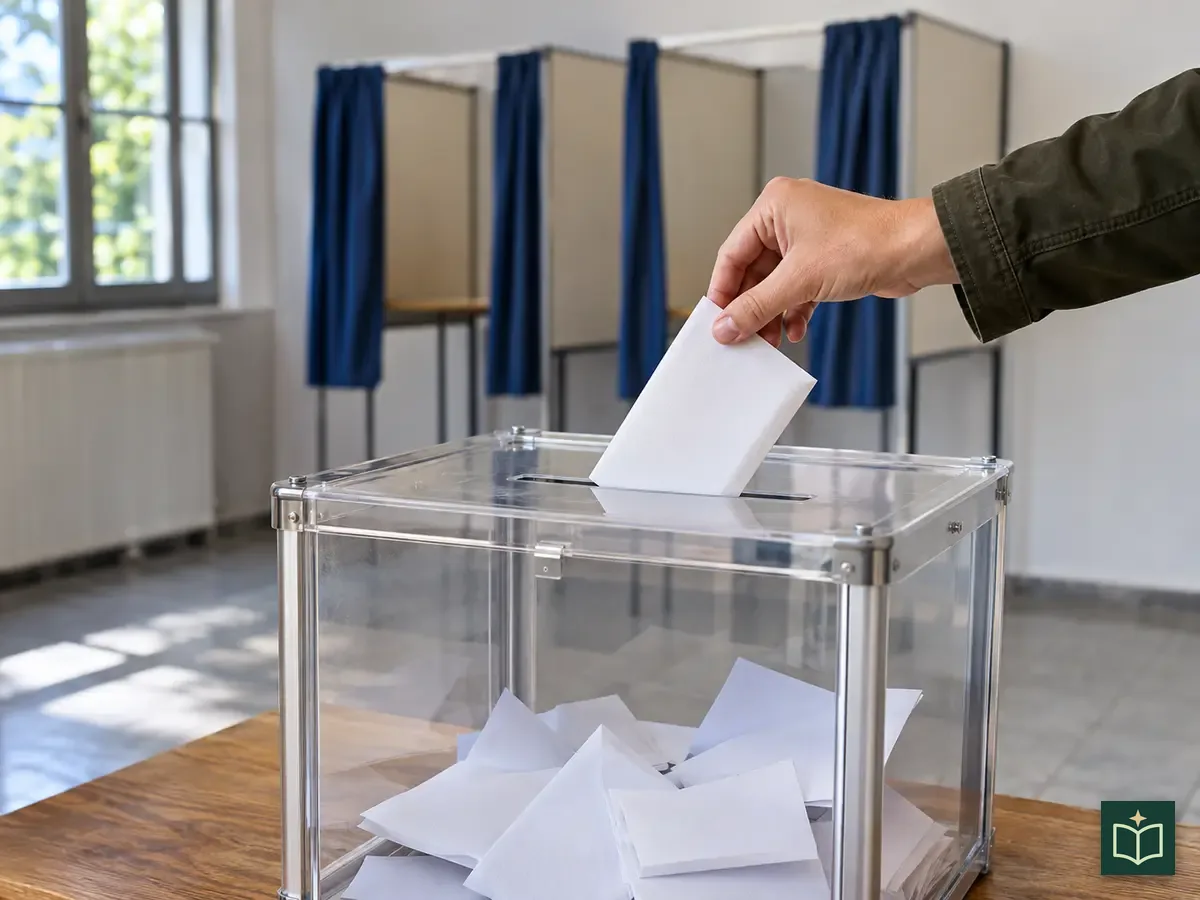
Direct democracy in practice
Most democracies are representative: citizens elect politicians, who make decisions on their behalf. Referendums add an element of direct democracy, allowing voters to decide a specific question themselves. They are used for constitutional changes, sovereignty and independence questions, major treaties and, in some countries, ordinary legislation. Some are mandatory, required by a constitution for certain decisions. Others are optional, called by a government or parliament. In some systems, citizens can trigger votes through petitions, known as popular initiatives. Referendums can be national, regional or local, and the frequency with which they are used varies from almost never in some countries to several times a year in others.
The Swiss model
Switzerland makes the most extensive use of direct democracy among national governments, with federal votes typically scheduled up to four times a year, often covering several questions at once. Any amendment to the federal constitution requires a mandatory referendum and must win a double majority: a majority of voters nationally and a majority of the cantons. Citizens can propose their own constitutional amendments by collecting 100,000 valid signatures within 18 months, and they can challenge laws passed by parliament by gathering 50,000 signatures within 100 days of publication. This system encourages compromise in parliament, because lawmakers know that controversial measures may be challenged at the ballot box.
Binding or advisory
The legal force of a referendum depends on national law. Some results are binding, automatically changing the constitution or requiring implementation. Ireland, for example, can amend its constitution only through a referendum, and voters have approved or rejected numerous amendments on that basis. Other referendums are formally advisory or consultative, leaving the final legal decision to parliament or government, though political pressure to respect the result can be very strong. The distinction is often misunderstood. A vote can be legally advisory yet politically decisive, and governments sometimes commit in advance to implementing the result, which can make the practical difference between the two categories quite small.
Design choices
Referendum design involves many choices that can influence outcomes. The wording of the question must be clear and balanced; some countries have independent electoral commissions that test proposed wording for neutrality. Options may be a simple yes or no, or multiple alternatives. Some systems require a minimum turnout for the result to be valid, as in Italy’s abrogative referendums, which require participation by a majority of eligible voters. Others require supermajorities or double majorities across regions. Rules on campaign spending, broadcasting time and official information leaflets shape debate. International organisations, including the Council of Europe’s Venice Commission, have published guidelines on good practice in holding referendums.
Common misconceptions
It is often assumed that referendums always settle an issue permanently. In practice, questions can return years later, sometimes producing a different result, and a narrow outcome may leave disagreement unresolved. Another misconception is that referendums are always more democratic than parliamentary decisions. Supporters argue that they give citizens a direct voice and legitimacy for major changes. Critics argue that complex issues are reduced to binary choices and that campaigns can be dominated by emotion or misinformation. Researchers note that outcomes depend heavily on context, institutions and the quality of public information, rather than on the referendum mechanism alone. Both perspectives are part of ongoing debate.
Why it matters
Referendums have decided independence for new states, entry to and exit from international organisations, constitutional reforms and social questions. Results can reshape national politics and international relations for decades. Because rules vary so widely, reading results requires context: Was the vote binding? Was there a turnout threshold? How was the question worded? Did regions vote differently? For observers, referendum results are best interpreted alongside the turnout figure and the margin, since a decisive outcome on high turnout carries different political weight from a narrow result on low participation. International observers sometimes monitor referendums alongside elections, assessing fairness, access and the conduct of campaigns.
Sources & further reading
- Swiss Confederation · ch.ch ↗
- International IDEA · Direct democracy ↗
- Britannica · Referendum and initiative ↗
Figures are rounded and widely published; check the linked organisations for the latest editions. These organisations do not endorse this website.