Pieces of continents
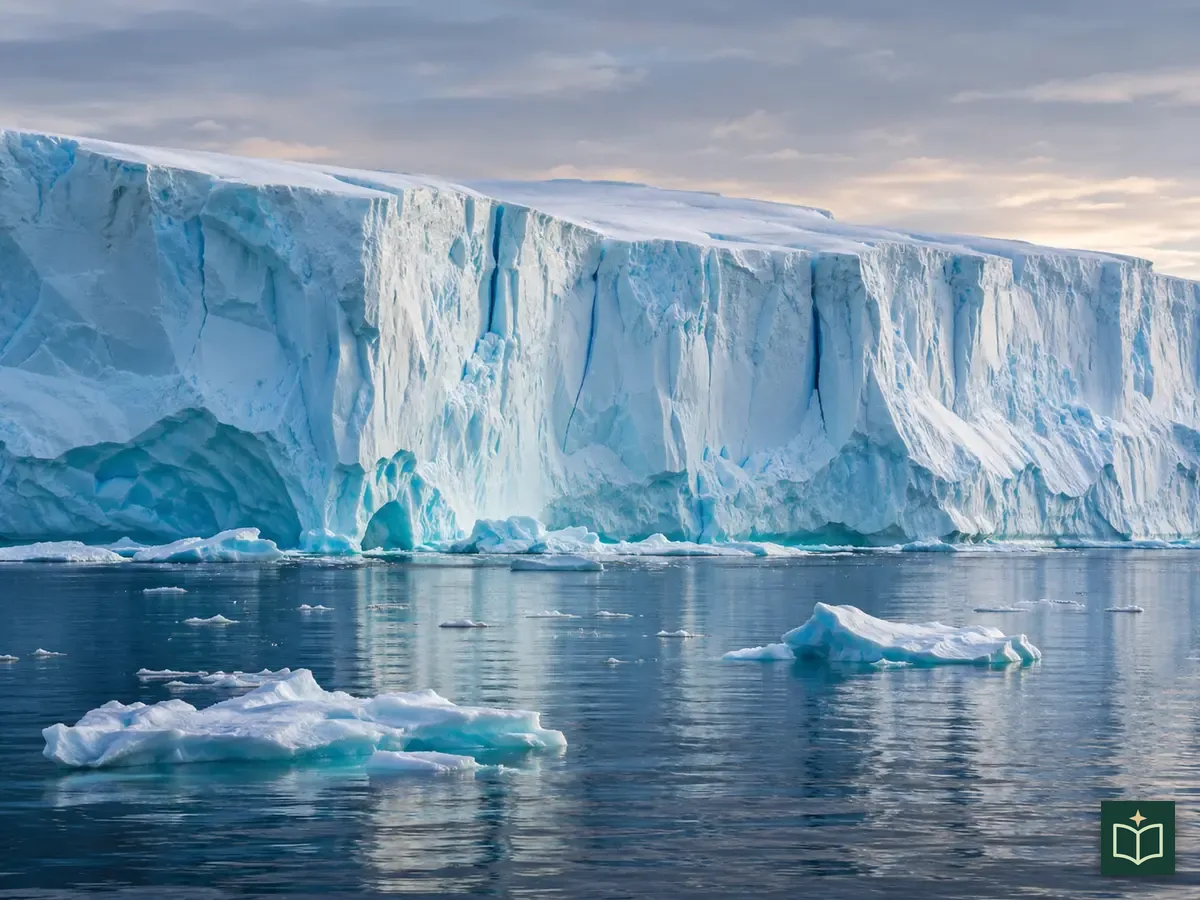
Many large islands are simply parts of continents surrounded by water. Some were cut off by rising seas: at the height of the last ice age, around 20,000 years ago, sea level was roughly 120 metres lower, and Britain, Sri Lanka and Bahrain were joined to neighbouring mainland. Others were split away by tectonic rifting. Madagascar separated from Africa and later from India over many millions of years, which helps explain why most of its mammals, reptiles and plants are found nowhere else. Greenland, the world’s largest island, is geologically part of North America, though it is buried beneath a vast ice sheet.
Volcanoes from the deep
Oceanic islands are built by eruptions on the sea floor. Some form along mid-ocean ridges, where plates pull apart; Iceland sits on the Mid-Atlantic Ridge and above a hotspot. Others form in chains above hotspots, plumes of unusually hot rock beneath a moving plate. The Hawaiian Islands illustrate this neatly: the Big Island, still volcanically active, is the youngest, while the islands to the north-west become progressively older, more eroded and lower as the Pacific plate carries them away from the hotspot. Volcanic arcs, such as Indonesia and the Lesser Antilles in the Caribbean, rise where one plate sinks beneath another.
Built by coral
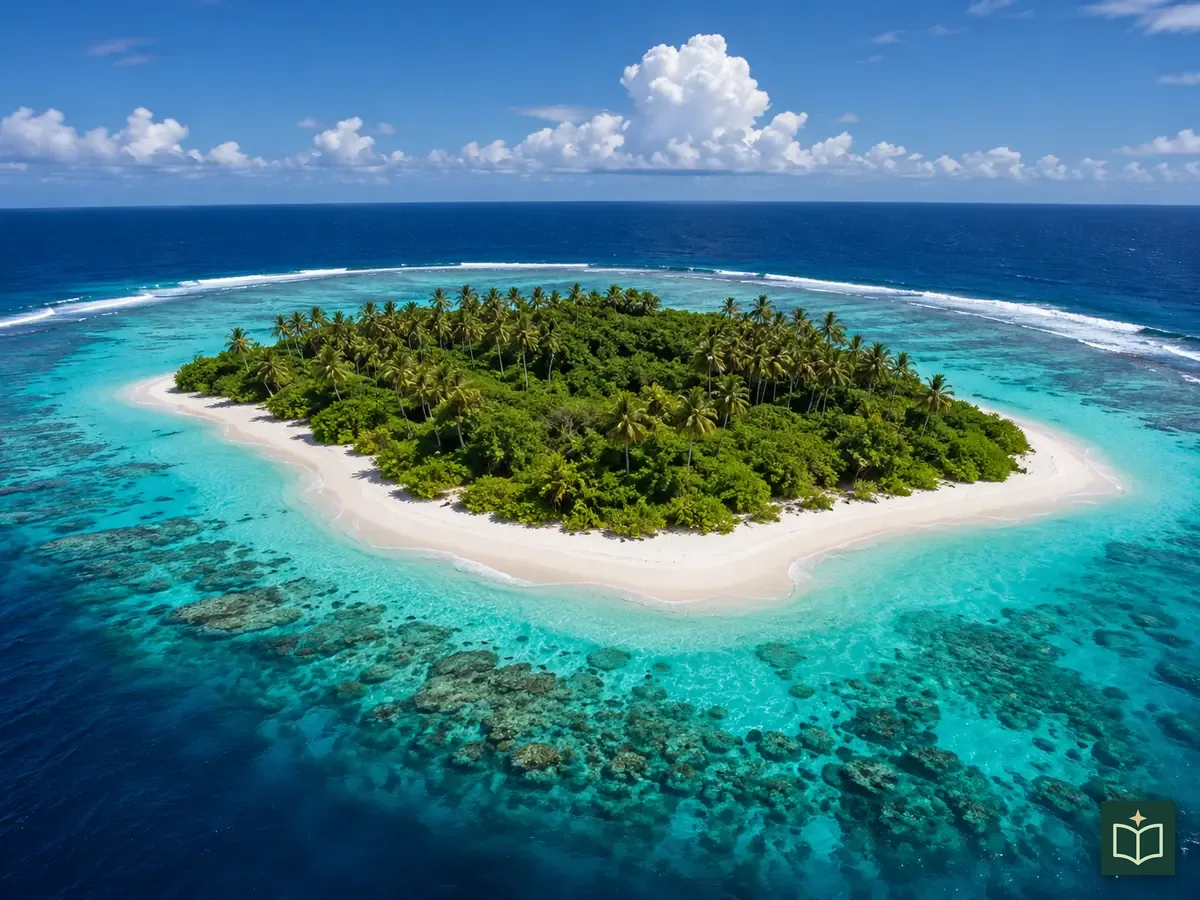
In warm, shallow tropical seas, coral reefs can create islands. Atolls are ring-shaped reefs enclosing a lagoon, often topped by low islands of coral sand. Charles Darwin proposed in the 1840s that atolls begin as fringing reefs around volcanic islands; as the volcano slowly subsides, the reef keeps growing upward until only a ring remains. Drilling at Enewetak Atoll in the 1950s confirmed thick reef limestone resting on volcanic rock, as he had predicted. The Maldives, made up of more than a thousand coral islands grouped into atolls, is the world’s lowest-lying country, with most land only a metre or so above sea level.
Sand, salt and the Gulf
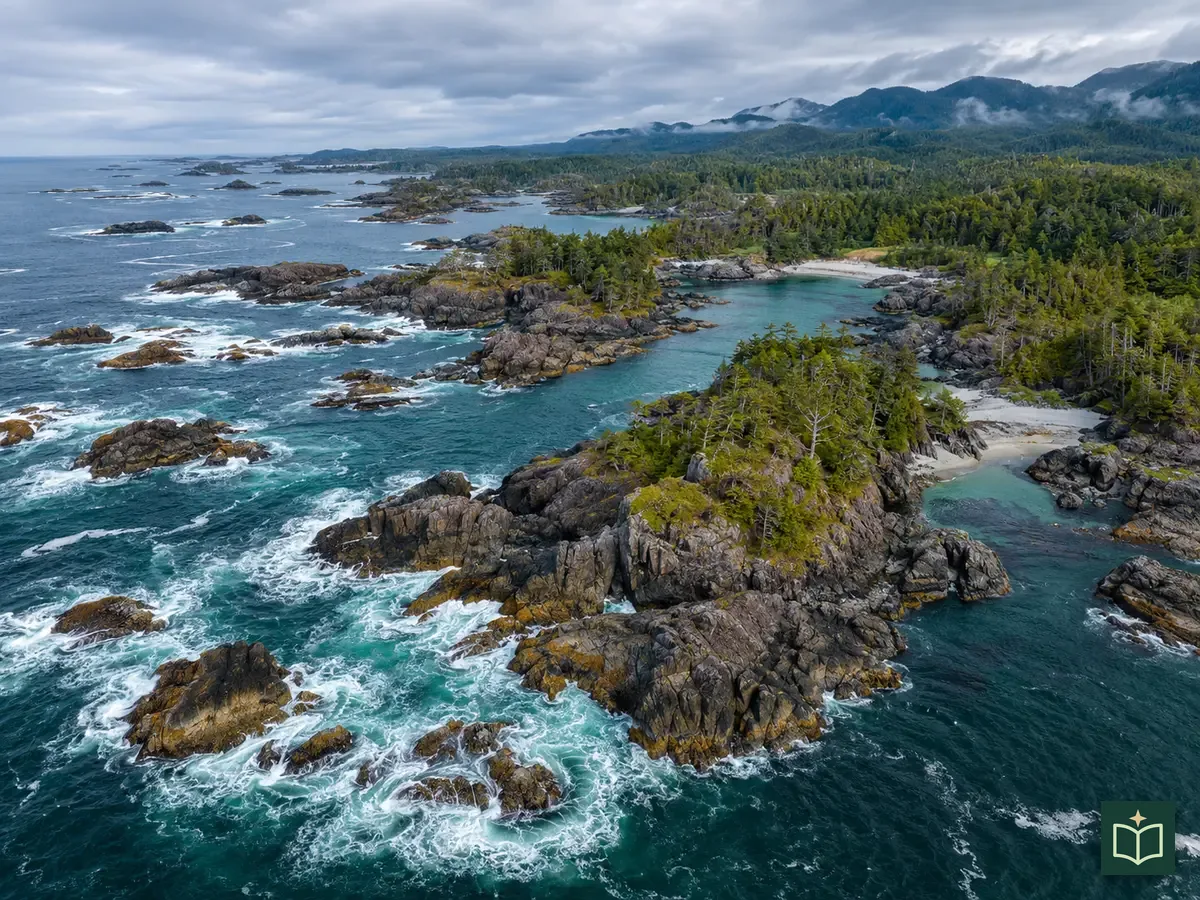
Some islands are made of loose sediment. Barrier islands, long ribbons of sand parallel to the coast, line much of the United States’ Atlantic shore and shift with every major storm. In the southern Gulf, Abu Dhabi’s coastline is fringed by low sandy islands and lagoons, protected from waves by shallow banks. The region also has an unusual island type: salt domes. Deep layers of ancient salt, lighter than the surrounding rock, rise slowly towards the surface and push up the sediments above them. Sir Bani Yas and several other islands off the UAE coast owe their hills and varied rocks to these rising salt plugs.
Life in isolation
Isolation makes islands natural laboratories of evolution. Species that arrive by flying, swimming or rafting on debris may evolve into new forms over time, as Darwin noticed among the finches and tortoises of the Galápagos. Some animals become smaller on islands and others larger, a tendency known as the island rule. Many island birds lost the ability to fly because there were no ground predators, which left them vulnerable when people introduced rats, cats and goats. A large share of recorded extinctions over the past few centuries has occurred on islands, and conservationists now often focus on removing invasive species to protect native wildlife.
Rising seas, changing coasts
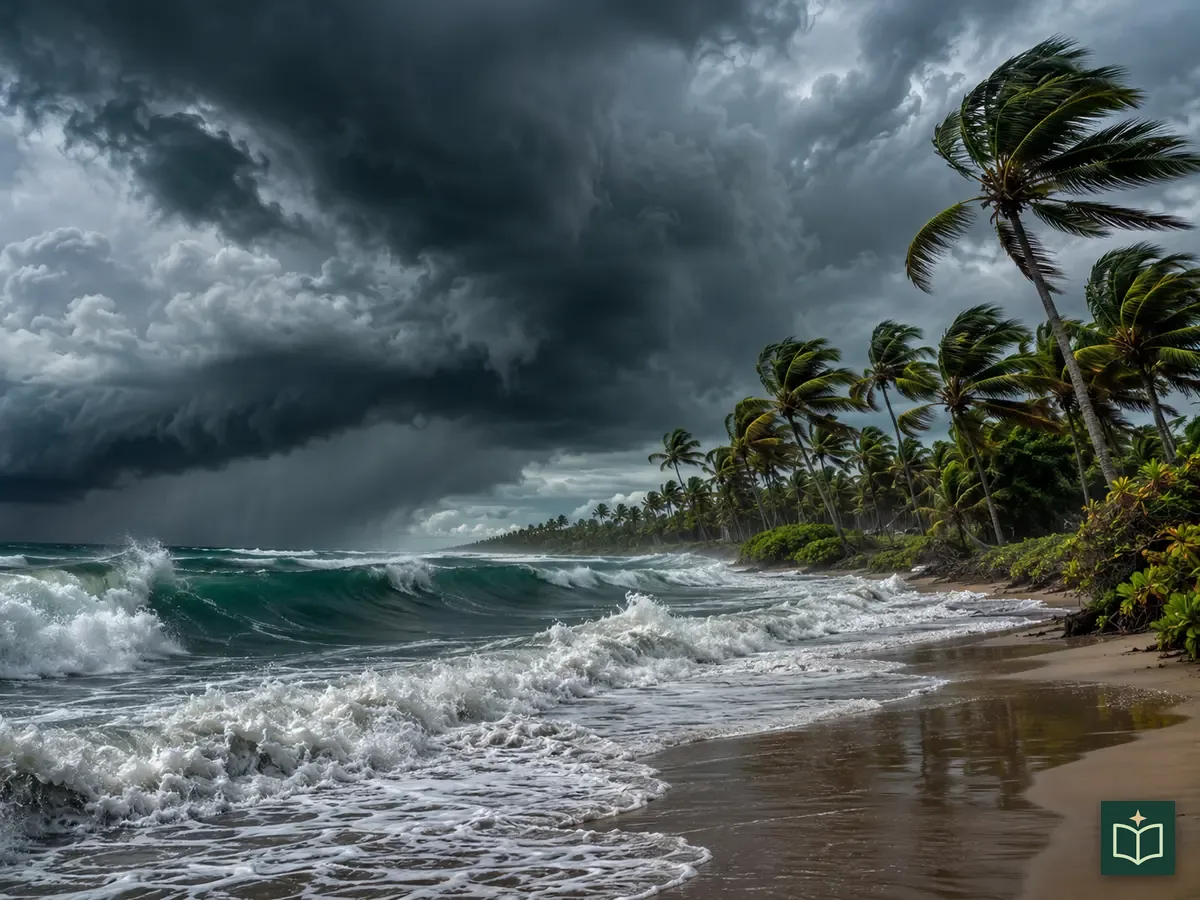
Islands also face distinctive challenges. Low coral islands are exposed to sea-level rise, storm surges and salt water seeping into the thin lens of fresh groundwater that floats on top of seawater beneath them. Island nations including the Maldives, Kiribati and Tuvalu have made adaptation central to their diplomacy. Research shows that some reef islands change shape, and even grow, as waves move sediment, so the picture is not simply one of drowning, but the risks to homes and water supplies are real. Volcanic islands face eruptions and landslides, while continental islands share many of the hazards of the mainland they came from.
Sources & further reading
Figures are rounded and widely published; check the linked organisations for the latest editions. These organisations do not endorse this website.