What a free zone is
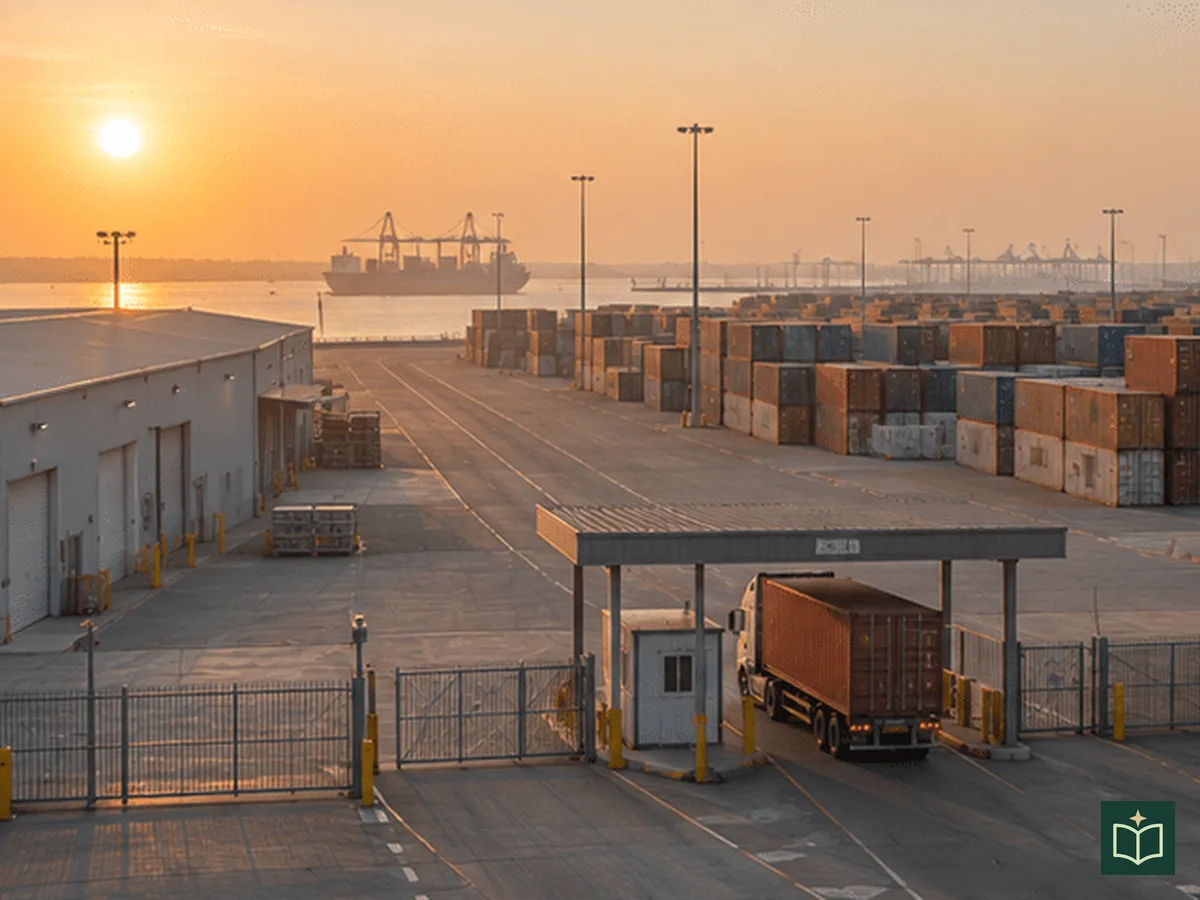
A free zone is a defined area, usually fenced and next to a port or airport, that a government treats differently from the rest of the country for customs and business purposes. Goods brought into it are considered to be outside the national customs territory until they leave for the local market. That means import duty and many border formalities are suspended while the goods sit inside. Free zones go by many names, including free trade zones, foreign-trade zones and special economic zones. Their common purpose is to attract trading, logistics and manufacturing companies by making it cheaper and simpler to move goods through a country rather than into it.
How goods move through the gate
A container landing at a port next to a free zone can be moved straight into the zone under a customs transfer document instead of being cleared for import. Customs keeps an electronic record of what entered, what was stored and what left. Inside, companies can warehouse goods, break bulk shipments into smaller lots, assemble kits, repair equipment or relabel products for different markets. When the goods depart, one of two things happens. If they are re-exported to another country, no local duty is charged. If they are sold into the domestic market, they pass through customs at the zone's exit and pay duty and any import taxes, exactly as an ordinary import would.
Jebel Ali as the reference case
Dubai's Jebel Ali Free Zone, known as Jafza, opened in 1985 beside the Jebel Ali port. It grew into one of the largest free zones in the world and became the model that many other Gulf zones followed. Its appeal combined three things: a deep-water port and nearby airport, duty suspension on stored and re-exported goods, and company rules that allowed foreign investors to own a business outright at a time when mainland companies generally needed a local partner. Thousands of firms now use it as a regional distribution hub, receiving goods from Asia, Europe and the Americas and sending them onward across the Gulf, Africa and South Asia.
The arithmetic of duty
Consider a trader who brings in electronics with a cost, insurance and freight value of AED 1,000,000 and stores them in a free zone. If the whole shipment is later re-exported to customers in other countries, no UAE import duty is due. If the trader instead sold everything to buyers on the UAE mainland, the goods would pay the standard 5% GCC customs duty on entry: AED 50,000. Most real traders do both, so the zone lets them pay duty only on the share that is actually sold locally. The saving is not only the duty itself; it is also the cash that would otherwise be tied up paying duty on goods that are simply passing through.
Ownership and licensing rules
Free zones are not only about customs. Each UAE free zone has its own authority that issues trade licences, registers companies and handles visas for staff. Historically the biggest draw was full foreign ownership, which mainland companies did not generally enjoy until reforms in 2021 widened it. The trade-off is that a free zone licence usually limits a company to activities within the zone and to trading outside the UAE, unless it appoints a mainland distributor or obtains extra permits. Many zones are specialised, focusing on media, finance, healthcare, logistics or commodities. The UAE also has corporate tax rules with specific treatment for qualifying free zone income, which businesses should check with professional advisers.
Limits and what to watch
Free zones are sometimes described as tax-free islands, but that is too simple. Goods entering the local market still pay duty, staff are still subject to national labour and immigration law, and international rules on tax transparency apply. Customs authorities audit stock records, because missing goods are assumed to have been sold locally without paying duty. Critics in many countries point out that zones can divert activity from elsewhere rather than create it, and that weak oversight can attract smuggling. Supporters note the jobs, logistics skills and trade flows they bring. As trade agreements lower tariffs generally, the advantage of zones is shifting from duty savings towards speed, infrastructure and simpler company administration.
Sources & further reading
- World Customs Organization · Free zones ↗
- UNCTAD · Investment and special economic zones ↗
- UAE Government portal ↗
Figures are rounded and widely published; check the linked organisations for the latest editions. These organisations do not endorse this website.