What an ETF is
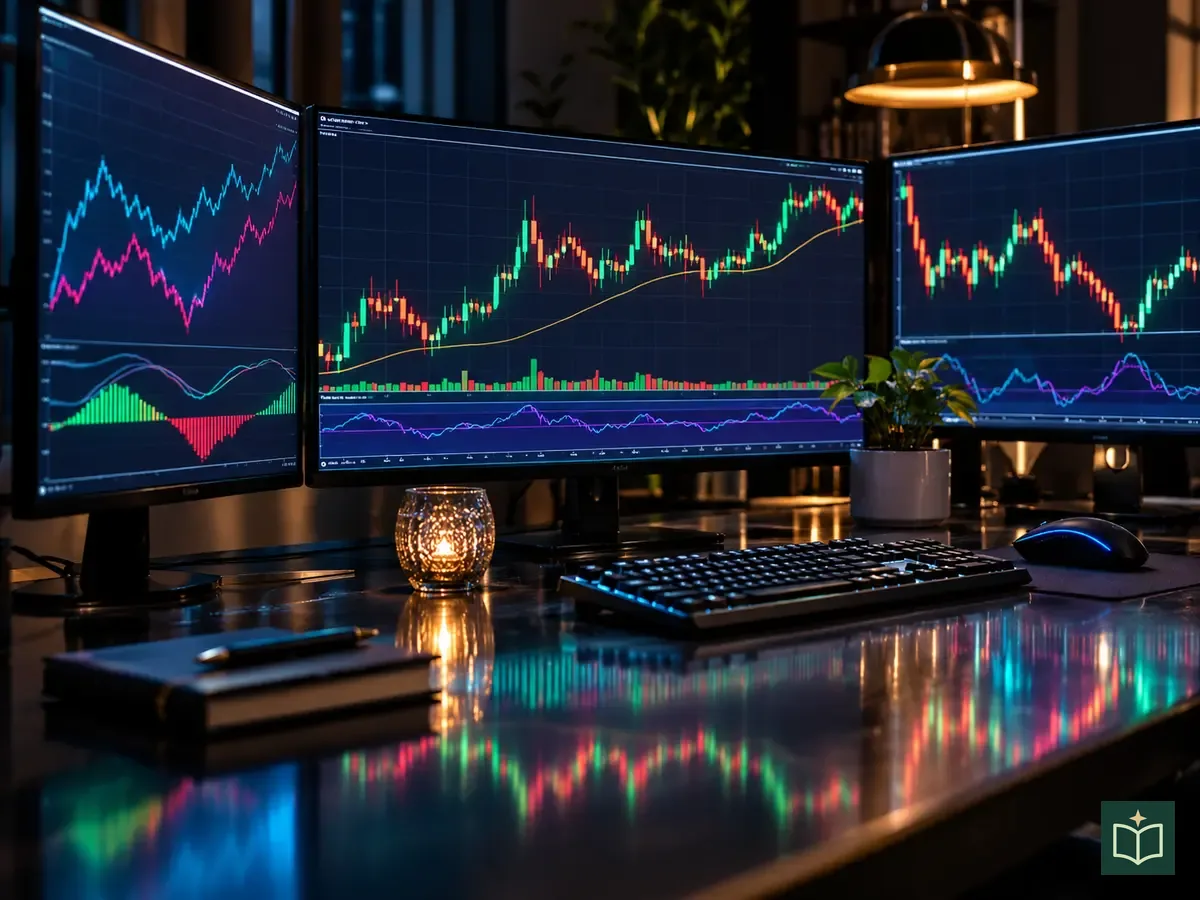
An exchange-traded fund, or ETF, is an investment fund whose units are listed and traded on a stock exchange. Like a traditional mutual fund, it pools investors' money to hold a portfolio, often designed to track an index of shares, bonds or commodities. Unlike a traditional fund, which is usually bought or sold once a day at a price set after markets close, an ETF can be traded throughout the day at prices set by the market. That combination of a diversified basket with the convenience of a share explains its popularity. ETFs now cover broad markets, individual sectors, countries, bonds, gold and many specialised strategies.
The creation and redemption engine
The key innovation is how ETF units come into existence. Large financial firms called authorised participants can deliver a basket of the underlying securities to the fund and receive a block of new ETF units, a process called creation. They can also do the reverse, handing back units in exchange for the underlying securities, called redemption. This matters because it links the ETF's market price to its net asset value, the value of its holdings. If the ETF trades above that value, dealers can create units and sell them for a profit; if it trades below, they can buy units and redeem them. Arbitrage pulls the price back.
Costs in dirhams
ETFs charge an annual fee, expressed as an expense ratio and deducted from the fund's assets. On an investment of AED 100,000, a 0.10 per cent expense ratio costs about AED 100 a year, while a 1 per cent ratio costs about AED 1,000. Investors also pay costs when trading: brokerage commissions and the bid-ask spread, the gap between the price buyers pay and sellers receive. For large, heavily traded ETFs, spreads are often very narrow; for small or specialised ones, they can be wider. Tracking difference, the gap between the fund's return and its index, captures the combined effect of fees and imperfect replication over time.
Physical and synthetic
Most ETFs are physically replicated: they hold the underlying securities, either all of them or a representative sample. Some are synthetic, using derivative contracts such as swaps with banks to deliver an index's return, which introduces counterparty risk. Commodity ETFs may hold physical metal in vaults or use futures contracts, which behave differently over time. There are also leveraged and inverse ETFs, designed to deliver a multiple or the opposite of an index's daily return; because they reset daily, their results over longer periods can differ sharply from what investors expect. Reading a fund's documents reveals which structure it uses and what risks follow.
Misconceptions
A common assumption is that all ETFs are passive, low-cost and broadly diversified. Many are, but others are concentrated in a single theme or use complex strategies with higher fees and risks. Another misconception is that trading throughout the day is an advantage for long-term investors; it can encourage frequent, costly trading. ETFs also carry the same market risk as their holdings: a fund tracking a falling index will fall with it. In stressed markets, an ETF's price can temporarily diverge from its holdings' value, especially for less liquid assets such as some bonds. This article is educational and does not recommend any fund.
Why they matter
Since the first US-listed ETF tracking the S&P 500 launched in 1993, ETFs have grown into one of the most important vehicles in global investing, holding trillions of dollars. They have lowered the cost of building diversified portfolios and made it easier for individuals far from major financial centres to access markets worldwide. Regional exchanges, including those in the UAE, have listed ETFs of their own. Their rise has also prompted debate about the influence of index investing on corporate governance and market prices. Understanding how they work helps investors judge what they actually own, rather than relying on a fund's name or label.
Sources & further reading
Figures are rounded and widely published; check the linked organisations for the latest editions. These organisations do not endorse this website.