Fat fingers, small keys
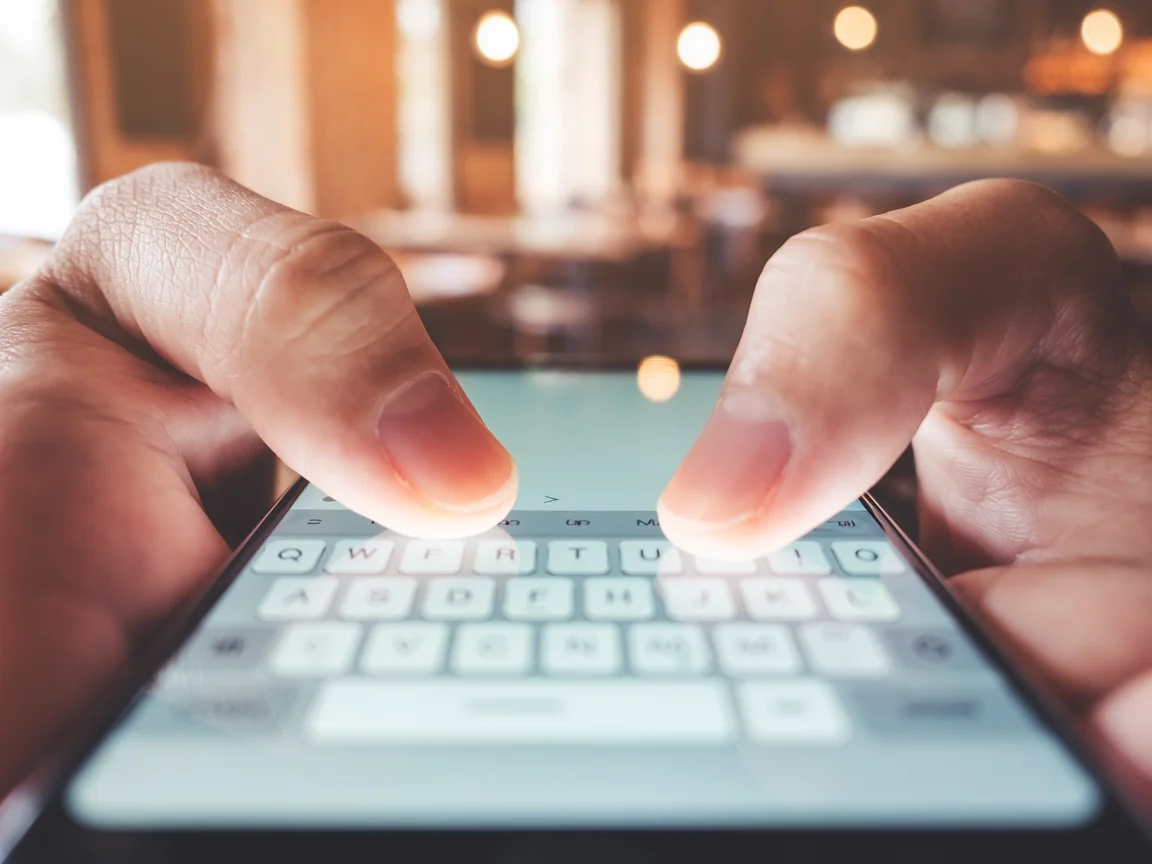
On a touchscreen, a thumb covers several keys at once. Keyboards therefore treat each tap as a probability spread over nearby letters rather than a definite key. A word like 'hwllo' is close in tap-space to 'hello', because the w sits right next to the e.
Language models
To choose between candidates, the keyboard uses a model of language built from large amounts of text. It knows which words are common and which tend to follow each other. Older systems counted short word sequences called n-grams; modern keyboards often use small neural networks that run on the phone.
Learning from you
Keyboards add names, slang and repeated phrases to a personal dictionary, so suggestions improve over time. Many manufacturers use techniques such as on-device learning to improve models without sending what you type to their servers, though settings and policies vary.
When it goes wrong
Autocorrect fails on rare words, names and mixed languages, and can swap one real word for another with a very different meaning. Reviewing messages before sending, and teaching the keyboard important words, reduces embarrassing changes.
Sources & further reading
Simplified explanation; implementations differ between keyboard apps. Photograph: original AI-generated illustration (Adobe Firefly). Reference organisations do not endorse this website.