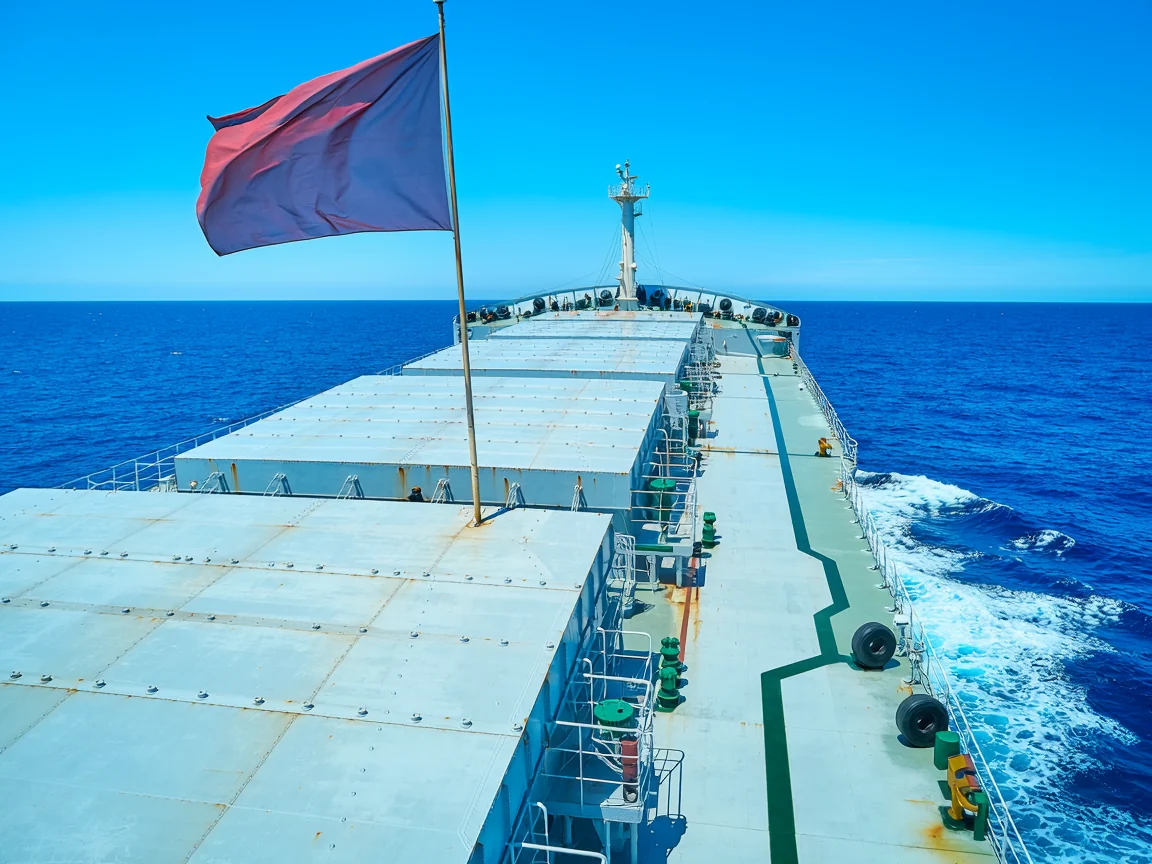
Every ship needs a nationality
Under international law, a merchant ship must be registered in one country, its flag state. That country's laws apply on board, and it issues certificates for safety, pollution prevention and crew conditions. Historically, ships flew the flag of their owners' home nation.
Open registries
In the twentieth century, Panama and later Liberia opened their registries to foreign owners. Owners could avoid high taxes, expensive national crews and strict regulations at home. Today open registries such as Panama, Liberia and the Marshall Islands are among the largest in the world by tonnage.
Criticism
Unions and campaigners argue that some flags of convenience have weak oversight, making it easier to cut corners on safety, wages and working conditions and to hide true ownership. Abandoned crews and poorly maintained vessels have been linked to lax registries, although the largest registries say they meet international standards.
Checks and balances
International conventions on safety, pollution and seafarers' rights apply regardless of flag. Port state control allows authorities to inspect foreign ships in their harbours and detain those that are unsafe. Registries with poor inspection records are targeted more often, encouraging flags to raise their standards.
Sources & further reading
- International Transport Workers' Federation · Flags of convenience ↗
- Wikipedia · Flag of convenience ↗
Fleet shares are approximate and change annually. Photograph: original AI-generated illustration (Adobe Firefly). Reference organisations do not endorse this website.