The Kola project
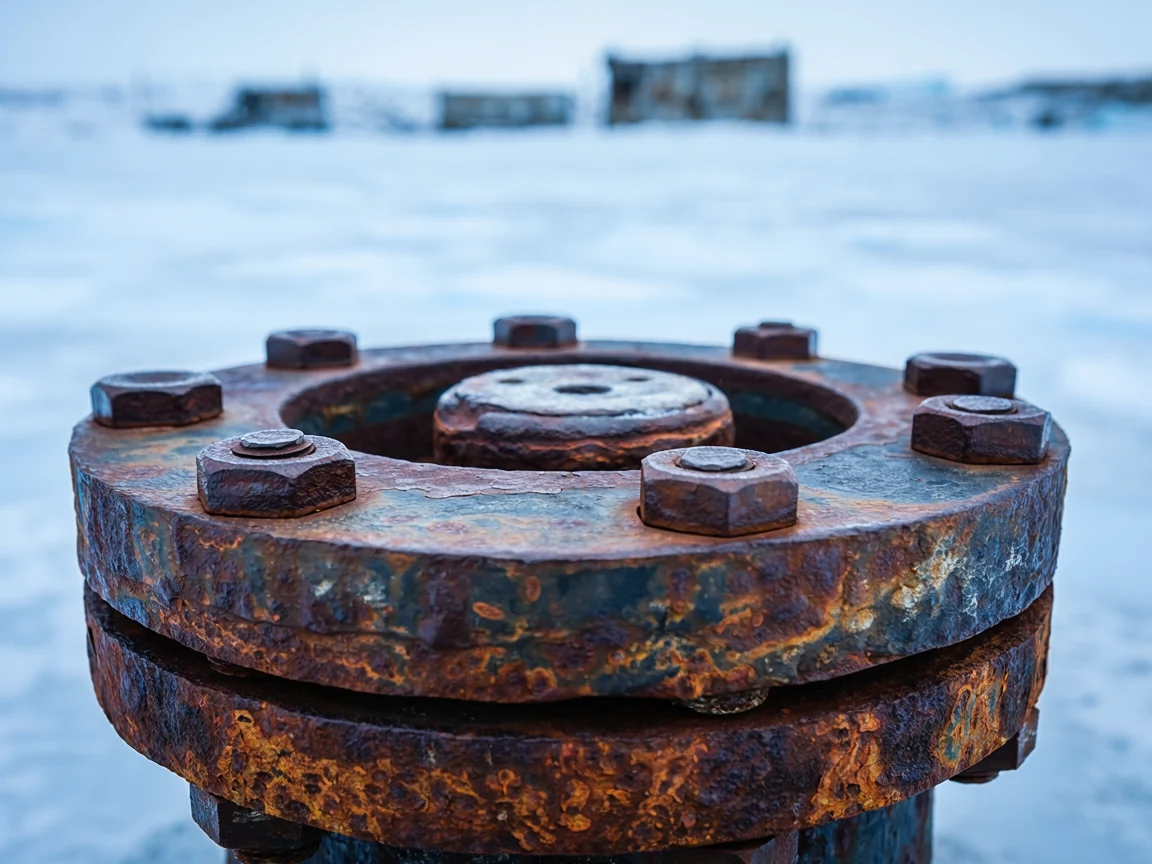
Soviet scientists began drilling on the Kola Peninsula in 1970 to study the deep crust. The main branch reached 12,262 metres in 1989. Drilling stopped because rising heat made the rock behave almost like plastic, and the site was later abandoned and sealed.
What they found
The scientists found water deep in the crust, microscopic fossils kilometres down and much higher temperatures than predicted. An expected boundary between granite and basalt was not where models placed it.
Long but shallow
Oil companies drill extended-reach wells that bend horizontally. Qatar's Al Shaheen field and Russia's Sakhalin fields have wells more than 12 kilometres long, but their vertical depths are far less.
New attempts
In 2025 China reported that its Shendi Take 1 well in the Tarim Basin had reached about 10,900 metres, the deepest in Asia, as part of research into deep oil, gas and geology.
Sources & further reading
Depths are approximate; drilling records continue to change. Photograph: original AI-generated illustration (Adobe Firefly). Reference organisations do not endorse this website.