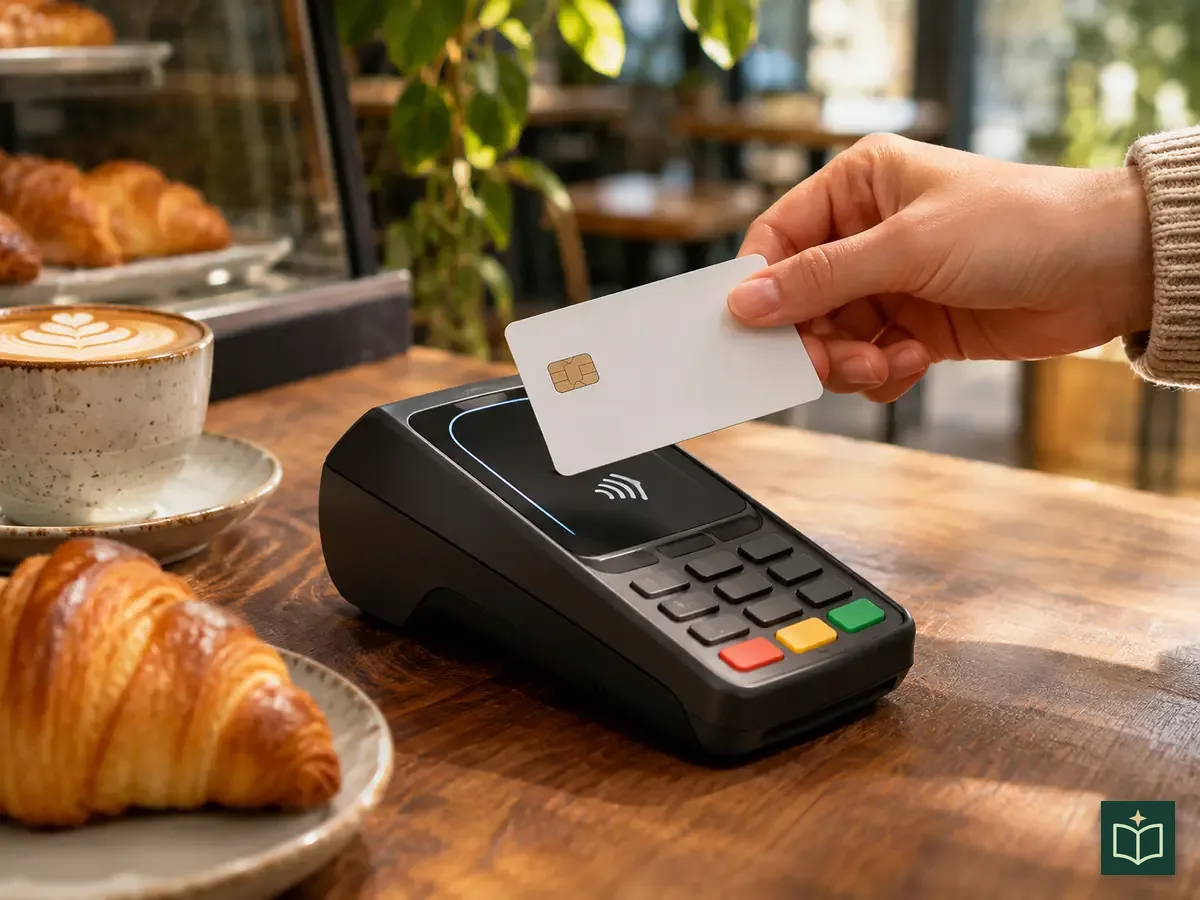
Same plastic, different money
At the checkout, a debit card and a credit card look and work almost the same. Both carry a card network logo, both support chip, PIN and contactless payment, and both can be stored in a phone wallet. The difference is where the money comes from. A debit card is linked to your current account, so each purchase reduces your balance directly. A credit card is linked to a credit account with a limit set by the issuer. When you pay, the issuer pays the merchant on your behalf and records the amount as money you owe. You then receive a monthly statement showing what you have borrowed.
How credit card billing works
A credit card statement lists purchases made during the billing cycle, the total balance and a minimum payment, usually a small percentage of the balance. If you pay the full statement balance by the due date, most cards charge no interest on purchases. That gap between buying and paying is called the interest-free or grace period. If you pay only part, interest is charged on the outstanding balance, and in the UAE annual rates on credit cards are often well above 30%. Cash withdrawals on a credit card are typically charged a fee and accrue interest from the day they are made, with no grace period.
A worked example
Suppose you buy a 4,000 AED laptop. With a debit card, 4,000 AED leaves your account immediately and the transaction is finished. With a credit card, the amount appears on your next statement. Pay 4,000 AED by the due date and it has cost you nothing extra. Pay only a minimum of around 200 AED, and interest at an illustrative monthly rate of about 3% is added to what remains. Repeat that for months and the total cost rises noticeably above the original price. This example is for illustration only and is not financial advice; actual fees and rates vary by issuer.
Where they are similar
Both cards are accepted almost everywhere the same network is accepted, at home and abroad. Both are protected by the same security features, such as chip technology, one-time passwords for online purchases and tokenisation in mobile wallets. Both can carry foreign transaction fees when you spend in another currency. Both let you track spending through a banking app. And both can be blocked instantly if lost or stolen. In everyday use, the experience at the till is indistinguishable; the important differences only appear afterwards, in your account balance, your statement and your credit record. Each can also be linked to rewards, though offers differ by bank.
Protection and credit history
The cards often differ in what happens when something goes wrong. With debit, fraudulent transactions remove your own money, which you must wait to recover while the bank investigates. With credit, the disputed amount is the issuer's money until the matter is settled, which can feel less stressful. Card networks offer chargeback processes for both, but rules and timelines vary. Credit cards also build a credit history. In the UAE, the Al Etihad Credit Bureau records repayment behaviour, which lenders consult for loans and some landlords and employers may also consider. Debit card use generally does not appear on a credit report.
Choosing between them
Neither card is inherently better. A debit card suits people who want spending limited to what they have, with no risk of interest. A credit card can be useful for its protection, travel benefits and help in building a credit record, provided the balance is repaid in full each month. Many people use both: debit for everyday spending and credit for large or online purchases. The key is understanding the terms, especially fees, interest rates and the payment date. This explainer is educational only; for personal decisions, consider speaking to your bank or a licensed adviser. Common traps include paying only the minimum and withdrawing cash on credit.
Sources & further reading
- Central Bank of the UAE ↗
- Al Etihad Credit Bureau ↗
- US Consumer Financial Protection Bureau · Credit cards ↗
Figures are rounded and widely published; check the linked organisations for the latest editions. These organisations do not endorse this website.