A rechargeable chemical store
A phone battery is a lithium-ion cell: two electrodes separated by a thin porous film and soaked in a liquid electrolyte. The negative electrode is usually graphite, a layered form of carbon. The positive electrode is a metal oxide containing lithium, often with cobalt, nickel or manganese. When you charge, lithium ions leave the oxide, cross the electrolyte and slot between the graphite layers. When you use the phone, they travel back, and electrons flow through the circuitry to power it. In principle the process is reversible, but in practice every round trip is slightly imperfect, and those small losses add up.
The crust that grows on the anode
The main cause of fading is a layer called the solid electrolyte interphase, or SEI. It forms on the graphite during the very first charges and is actually useful, because it stops the electrolyte breaking down further. But it never stops growing completely. Each cycle, a little more electrolyte reacts at the surface and a little more lithium becomes locked into the crust. Lithium that is trapped can no longer shuttle between electrodes, so the battery stores less energy. Over time the layer also thickens, which raises internal resistance. That is why an ageing phone may shut down suddenly in the cold or under heavy load, even when the gauge still shows some charge.
Heat, voltage and speed
Chemical side reactions run faster at higher temperatures, so heat is the biggest accelerator of wear. Leaving a phone on a car dashboard in a Gulf summer, or gaming while it charges under a pillow, does more harm than any number of normal cycles. Manufacturers generally advise using phones in ambient temperatures between about 0°C and 35°C. Voltage matters too. A cell at 100% charge sits at its highest voltage, which stresses the cathode and the electrolyte, so long periods at full charge add wear. Very fast charging, especially in the cold, can cause lithium to coat the anode as metal rather than slotting into it, a damaging process called lithium plating.
Counting the cycles
Battery life is usually counted in full charge cycles, meaning 100% of capacity used in total, not every time you plug in. Charging from 40% to 90% each day uses half a cycle, so 500 cycles take about 1,000 days, or roughly two and three-quarter years. Suppose a phone starts with a 4,000 milliamp-hour battery and keeps about 80% after those cycles. It now holds roughly 3,200 milliamp-hours, so a day that once ended with power to spare may end with the phone asking for its charger in the early evening. The decline is gradual and fairly steady at first, which is why many people only notice it after two or three years.
Myths and good habits
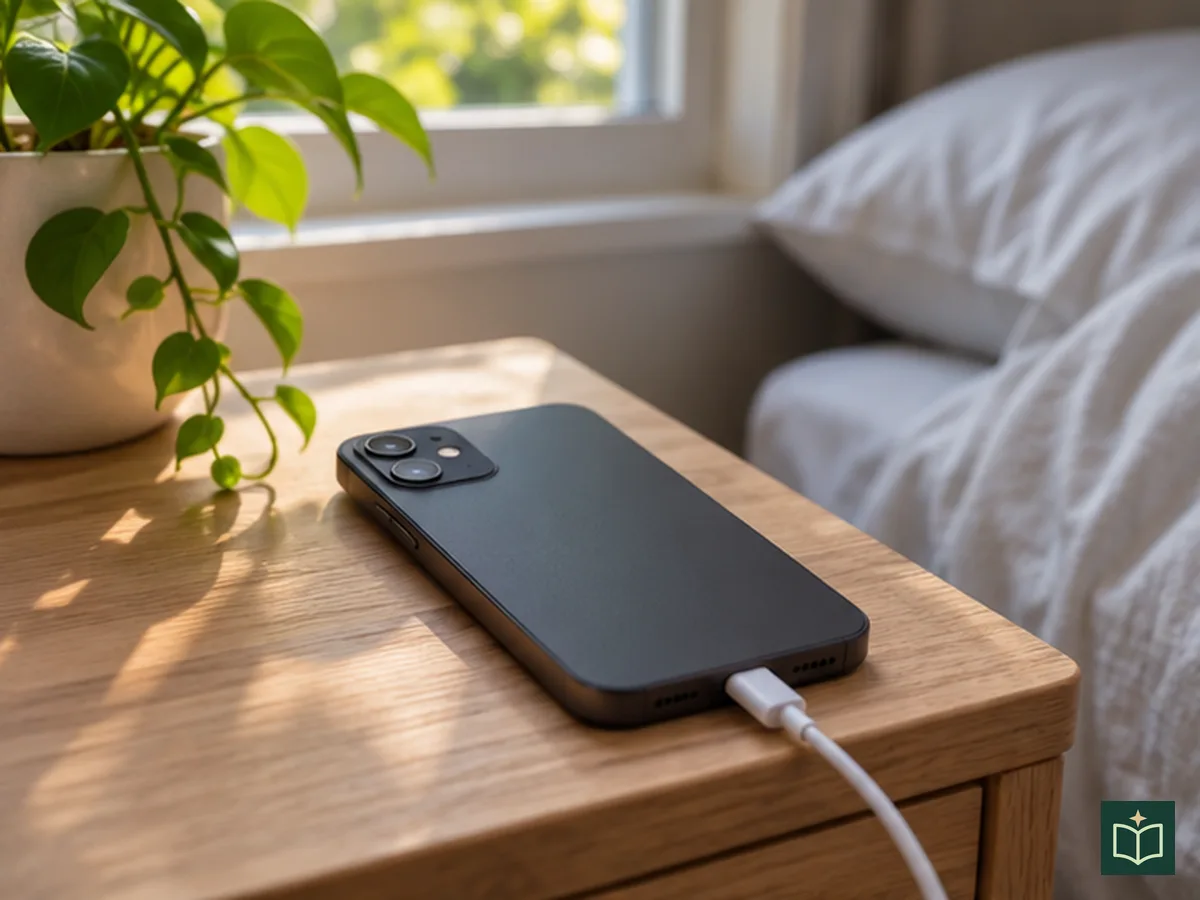
Some advice from older battery types no longer applies. Lithium-ion cells have no memory effect, so there is no need to drain them fully before recharging; deep discharges actually add stress. Leaving a phone plugged in overnight is not dangerous, because charging circuits stop at full, although sitting at 100% for hours adds mild wear. That is why many phones now offer optimised or adaptive charging, which holds the level near 80% and finishes just before you usually unplug. Some let you cap charging at 80% permanently. Avoiding heat, keeping the charge roughly between 20% and 80% when convenient, and removing thick cases during heavy use all help.
Why phones slow down as batteries age
An old battery cannot always deliver sudden bursts of current, because its internal resistance has risen. If the processor demands a spike of power, the voltage can sag below the level the electronics need and the phone may switch off unexpectedly. To prevent this, phone software may limit peak performance on worn batteries, which users notice as sluggishness. Battery health screens on modern phones report the estimated maximum capacity and whether performance is being managed. Replacing the battery restores both runtime and speed, usually at a fraction of the cost of a new phone, and keeps a working device out of the waste stream for longer.
Sources & further reading
Figures are rounded and widely published; check the linked organisations for the latest editions. These organisations do not endorse this website.