A natural cycle
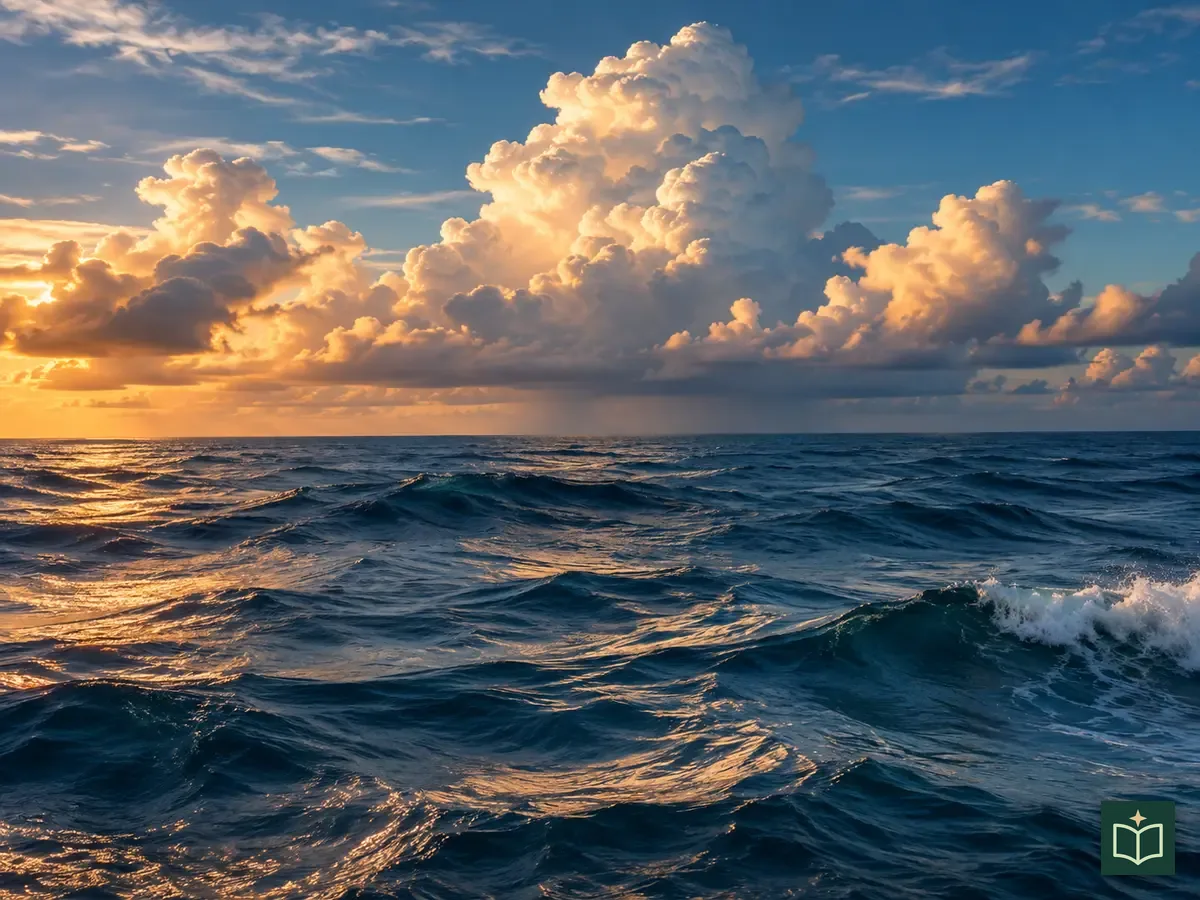
El Niño and La Niña are the warm and cool phases of a natural climate pattern known as the El Niño–Southern Oscillation, or ENSO. Under normal conditions, trade winds blow westwards across the tropical Pacific, piling warm water near Indonesia and Australia and allowing cooler water to rise off South America. During El Niño, those winds weaken and warm water spreads eastwards, shifting areas of heavy rainfall. During La Niña, the winds strengthen and the eastern Pacific becomes cooler than usual. The cycle is irregular, with episodes typically recurring every two to seven years and often lasting nine to twelve months.
What declared means
Agencies monitor the Pacific with buoys, satellites and ships, focusing on a region of the central equatorial Pacific called Niño-3.4. The US National Oceanic and Atmospheric Administration declares El Niño conditions when temperatures there run at least 0.5°C above average and the atmosphere shows a matching response, such as weaker trade winds, with the warming expected to persist. La Niña uses a mirror threshold of 0.5°C below average. Australia's Bureau of Meteorology has used somewhat different criteria. As a result, agencies sometimes announce an event at different times, which can produce apparently contradictory headlines within the same week. Both approaches are scientifically valid.
Effects around the world
Because the tropical Pacific is so large, shifts in its rainfall alter atmospheric circulation over much of the planet. El Niño is commonly associated with drier conditions in Indonesia, Australia and southern Africa, weaker Indian monsoons in many years, and wetter conditions in parts of South America and the southern United States. La Niña tends to bring broadly opposite patterns. These are tendencies, not certainties: each event differs, and other climate patterns also play a role. Impacts on the Gulf region are generally weaker and less consistent than in places such as Australia or Peru, though researchers continue to study possible links to regional rainfall.
Global temperatures
El Niño also affects global average temperatures. During El Niño, the ocean releases heat to the atmosphere, temporarily raising global temperatures, while La Niña has a slight cooling effect. Some of the warmest years on record, including 1998 and 2016, coincided with strong El Niño events. Scientists separate these short-term swings from the long-term warming trend caused by greenhouse gases, which continues regardless of ENSO phase. This is why a La Niña year can still be among the warmest recorded, and why a single hot year during El Niño does not by itself indicate a change in the underlying rate of warming.
Economic ripples
Because El Niño and La Niña affect rainfall in major agricultural regions, they can influence harvests of crops such as rice, wheat, palm oil, coffee and cocoa, and therefore food prices. Fisheries off Peru, among the world's largest, can decline during El Niño as warm water suppresses the nutrient-rich upwelling that sustains fish stocks. Energy demand, insurance claims and river levels used for shipping may also be affected. Importing countries, including those in the Gulf, which buy much of their food abroad, can feel these effects through prices, which is why analysts watch ENSO forecasts closely alongside crop and market reports.
Reading the headline
When a headline says El Niño has been declared, check which agency made the declaration and what threshold it uses. Note the forecast strength and expected duration, since weak events have smaller and less reliable impacts than strong ones. Look for official seasonal outlooks for your own region rather than assuming that effects seen elsewhere will apply locally. Remember that El Niño shifts the odds rather than determining outcomes, so a dry or wet season is not guaranteed. The World Meteorological Organization publishes regular updates that summarise forecasts from centres around the world, which can provide a balanced overall picture. Context turns a label into useful information.
Sources & further reading
- NOAA Climate Prediction Center ↗
- World Meteorological Organization · El Niño/La Niña updates ↗
- Australian Bureau of Meteorology · ENSO ↗
Figures are rounded and widely published; check the linked organisations for the latest editions. These organisations do not endorse this website.