What the balance measures
The trade balance is the difference between the value of a country's exports and its imports over a period, usually a month, quarter or year. When exports exceed imports, there is a trade surplus; when imports exceed exports, a deficit. Headlines sometimes refer only to goods, such as cars, food and fuel, while broader measures also include services, such as tourism, transport, finance and software. The distinction matters: some countries run large deficits in goods but surpluses in services, or the reverse. The United Kingdom, for example, has long imported more goods than it exports while selling large amounts of financial and professional services abroad.
The wider accounts
Trade is part of a bigger set of national accounts called the balance of payments. The current account adds trade in goods and services to income flows, such as interest and dividends earned abroad, and transfers, such as money sent home by workers overseas. The financial account records investment and borrowing across borders. By accounting design, a current account deficit is matched by net inflows in the financial account: foreigners buying the country's assets, lending to it, or investing in its businesses. A deficit does not mean money vanishes; it means a country is financing extra spending with capital from abroad.
Why deficit is not loss
Political debate sometimes treats a trade deficit as a sign that a country is losing to its trading partners. Economists generally disagree with that framing. Households run a deficit with the supermarket every week, buying far more from it than they sell to it, yet they are not losing. A country may run a deficit because its economy is growing strongly and attracting investment, because it saves little, or because its currency is strong. Equally, a surplus can reflect weak domestic demand. Persistent, large deficits financed by short-term borrowing can become a vulnerability, but the balance alone does not show whether a country is prospering.
The Gulf picture
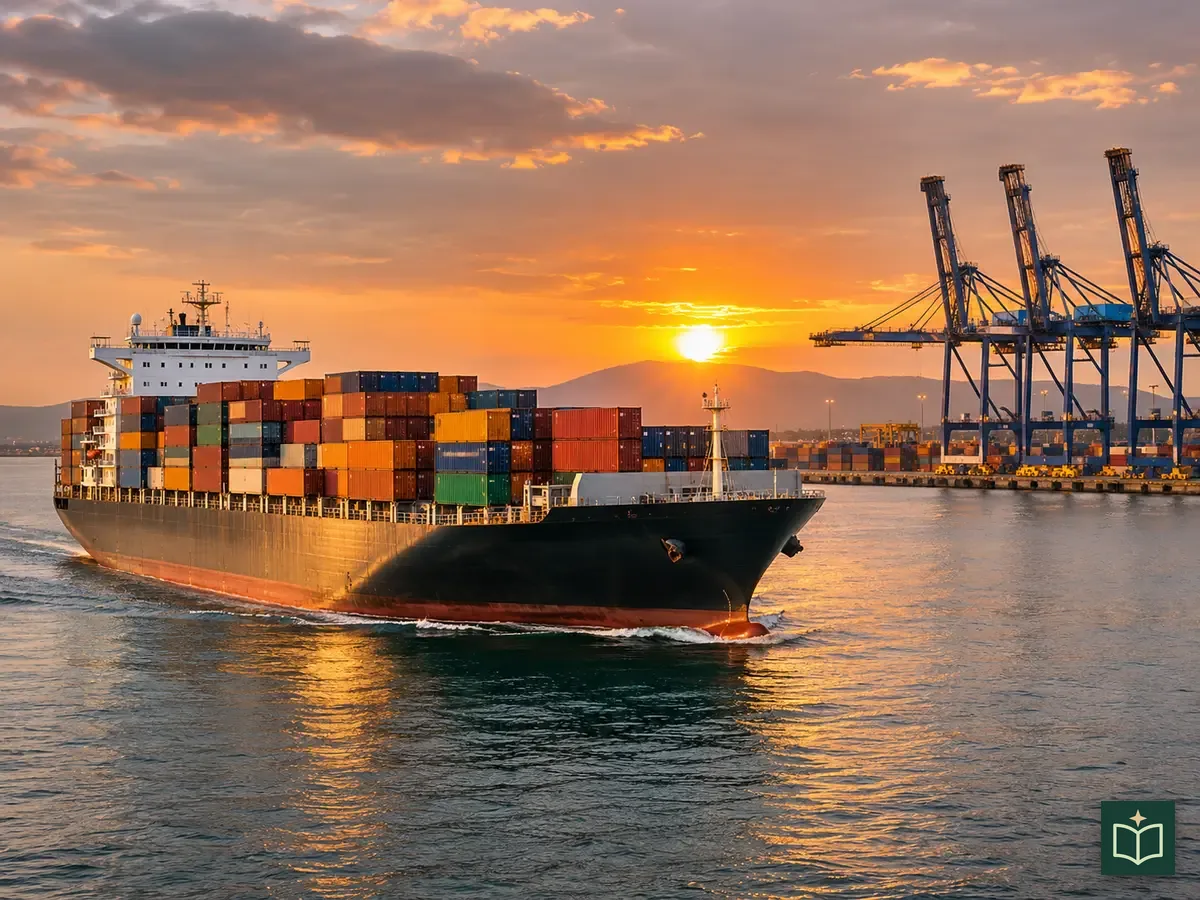
Oil- and gas-exporting economies such as the UAE, Saudi Arabia and Qatar have historically run trade and current account surpluses, especially when energy prices are high, and have invested much of the proceeds abroad through sovereign wealth funds. When oil prices fall, surpluses shrink and can turn into deficits. The UAE also has a large re-export trade: goods arrive through ports such as Jebel Ali and are shipped onwards to other markets, which inflates both exports and imports. Remittances sent home by the large expatriate workforce appear in the current account as outward transfers, which is why Gulf economies are among the largest sources of remittances worldwide.
Bilateral balances
Headlines also often focus on the trade balance between two specific countries. These bilateral figures can mislead, because modern goods are assembled through supply chains spanning many countries. A smartphone assembled in one country may be credited entirely to it in trade statistics, even though much of its value came from components, design and software made elsewhere. Measures of trade in value added try to correct for this by tracking where value is actually created. Economists generally regard a country's overall balance with the world as more meaningful than its balance with any single partner, which is shaped by geography and specialisation.
Reading the headline
When trade figures make the news, check whether they cover goods only or goods and services, and whether they refer to one partner or the whole world. Look at the trend over several years, since monthly figures are volatile and affected by price swings, especially in energy. Consider how the deficit or surplus is financed and what is driving it: investment, consumption, currency moves or commodity prices. Trade balances often feature in debates about tariffs and industrial policy, where views differ. A neutral reading focuses on the arithmetic and the causes rather than on whether a number is described as winning or losing.
Sources & further reading
Figures are rounded and widely published; check the linked organisations for the latest editions. These organisations do not endorse this website.