Two very different things
The phrase no-fly zone covers two quite different situations. The first is a military measure: a declaration that certain aircraft, usually a government's military planes, may not fly over an area, enforced by other states' air forces. The second is a civil measure: an aviation authority closing or restricting airspace for safety, for example around a conflict, a volcanic ash cloud, a rocket launch, a major event or an airport where drones are not allowed. Civil closures are notices that pilots are legally bound to follow. Military no-fly zones are acts of force that can involve shooting down aircraft. Headlines do not always make clear which one is meant.
What enforcement involves
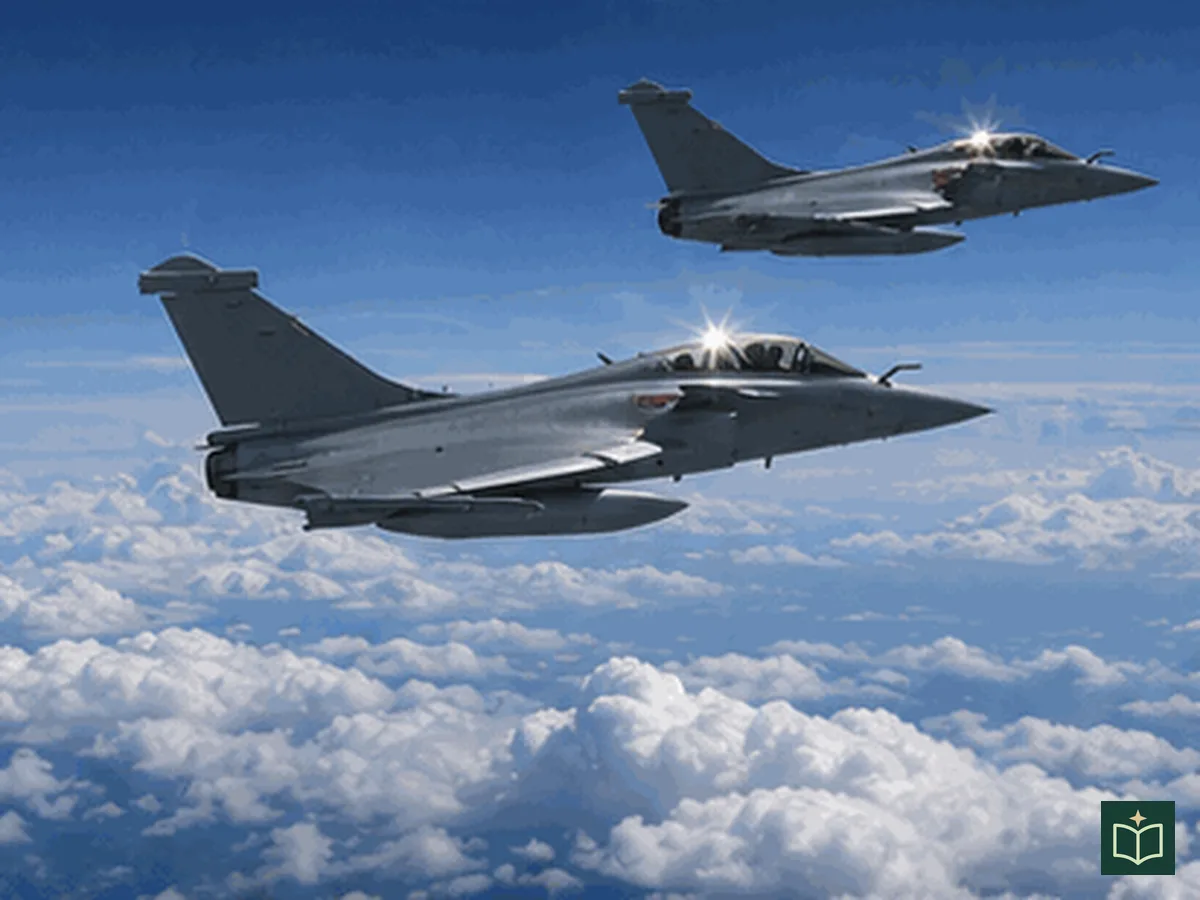
Declaring a military no-fly zone is the easy part; enforcing it is a sustained operation. Fighter aircraft must patrol the zone, supported by airborne radar planes and tankers for refuelling. Because patrols would be vulnerable to surface-to-air missiles and radar-guided guns, enforcing states usually begin by attacking those defences, which itself means striking targets on the ground. Aircraft that violate the zone may be warned, intercepted and, if necessary, shot down. That is why military planners describe a no-fly zone as a form of direct involvement in a conflict, not a neutral or defensive gesture. The risks include losing aircraft and escalating a confrontation with the state whose airspace is closed.
The legal basis
Under the UN Charter, using force against another state is lawful mainly in self-defence or with authorisation from the Security Council. The clearest legal footing for a no-fly zone is a council resolution under Chapter VII. In 1992, Resolution 781 banned military flights over Bosnia and Herzegovina, and Resolution 816 in 1993 authorised enforcement, leading to NATO's Operation Deny Flight. In March 2011, Resolution 1973 banned flights over Libya and authorised member states to take all necessary measures to protect civilians, which NATO later carried out. A zone declared without such authorisation is legally contested, and other states may regard it as unlawful.
Iraq's long-running zones
After the 1991 Gulf War, the United States, the United Kingdom and, for a time, France patrolled no-fly zones over northern and southern Iraq. They argued that the zones supported a Security Council resolution demanding an end to the repression of Iraqi civilians, though that resolution did not explicitly authorise them, and their legality was disputed. The northern zone protected Kurdish areas, and the southern zone was extended over time. Patrols continued until 2003, more than a decade, with frequent clashes with Iraqi air defences. The experience showed that no-fly zones can last far longer than intended and require considerable resources to maintain.
Civil airspace closures
Civil aviation authorities close or restrict airspace much more often. They publish notices to airmen, known as NOTAMs, and international bodies and national regulators issue advisories about conflict zones, where civilian aircraft could be misidentified or hit by weapons. Airlines then reroute flights, which can add time and fuel. Gulf carriers and travellers are familiar with such rerouting when airspace in the region is closed or restricted during periods of tension. These closures do not involve enforcement by fighter aircraft in the same way. They are safety measures that rely on airlines and pilots to comply, although states can still intercept aircraft that enter their own airspace without permission.
Reading the headline
When a no-fly zone is proposed or declared, ask which type it is: a military ban to be enforced by other countries, or a civil airspace closure or restriction. For a military zone, look for the legal basis, especially whether the Security Council has authorised it. Ask which countries would enforce it, what aircraft and air defences would need to be confronted and what the rules of engagement are for violators. Note the area and which aircraft are covered, since some zones allow humanitarian flights. Calls for a no-fly zone are often made in political debate. Understanding the military commitment involved helps explain why governments frequently decline to impose one.
Sources & further reading
Figures are rounded and widely published; check the linked organisations for the latest editions. These organisations do not endorse this website.