What a waqf is
A waqf, plural awqaf, is a form of endowment in Islamic law. The founder takes an asset, such as land, a building or a sum of money, and dedicates it permanently to a purpose. The asset itself can no longer be sold, given away or inherited; instead, the income it produces is spent on the chosen beneficiaries. The idea is often traced to a report in which the Prophet Muhammad advised the companion Umar, who had acquired valuable land at Khaybar, to hold the land and give its produce in charity. That principle, keeping the source and giving the fruits, defines the waqf.
How it is run
Every waqf needs a manager, called a mutawalli or nazir, who maintains the asset, collects its income and distributes it according to the founder's deed. The deed sets out the purpose and conditions in detail, and courts and religious authorities historically supervised how waqfs were managed. There are two broad kinds. A charitable waqf, waqf khayri, supports public purposes such as mosques, schools, hospitals, wells or the poor. A family waqf, waqf ahli, provides first for the founder's descendants, with the income passing to charity if the family line ends. Many waqfs combined both. Some still operate today, centuries after their founders died.
Building cities
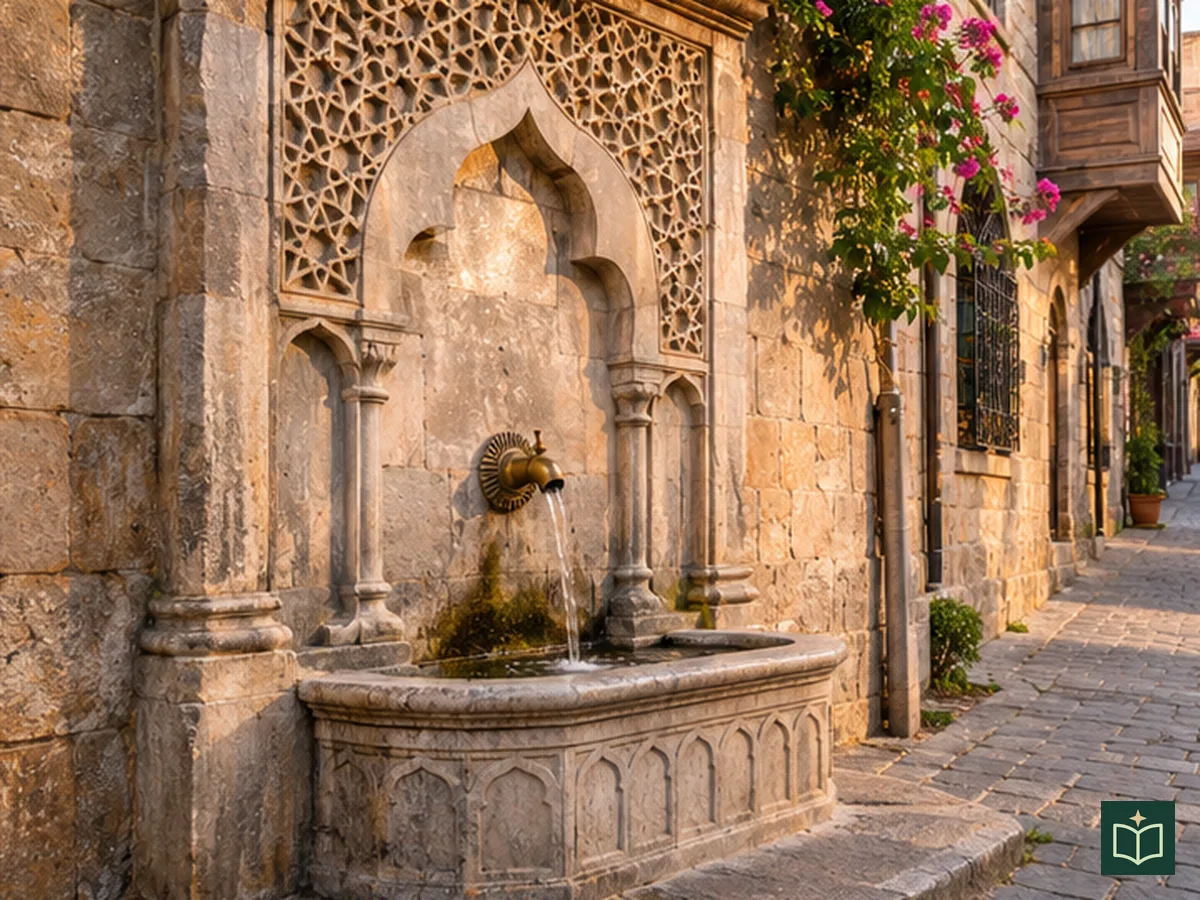
For centuries, waqfs paid for much of the public life of Muslim cities. Endowed property supported mosques, religious schools, hospitals, public fountains, soup kitchens, caravanserais and bridges, from Cairo and Damascus to Istanbul and Jerusalem. Shops and farmland were often endowed specifically to generate rent for these institutions. Under the Ottoman Empire, waqfs came to control a large share of urban property and agricultural land. Historians have also noted parallels between the waqf and the charitable trusts and endowed colleges of medieval Europe, although how far one influenced the other remains debated. Many endowed buildings still stand and remain in use.
Decline and revival
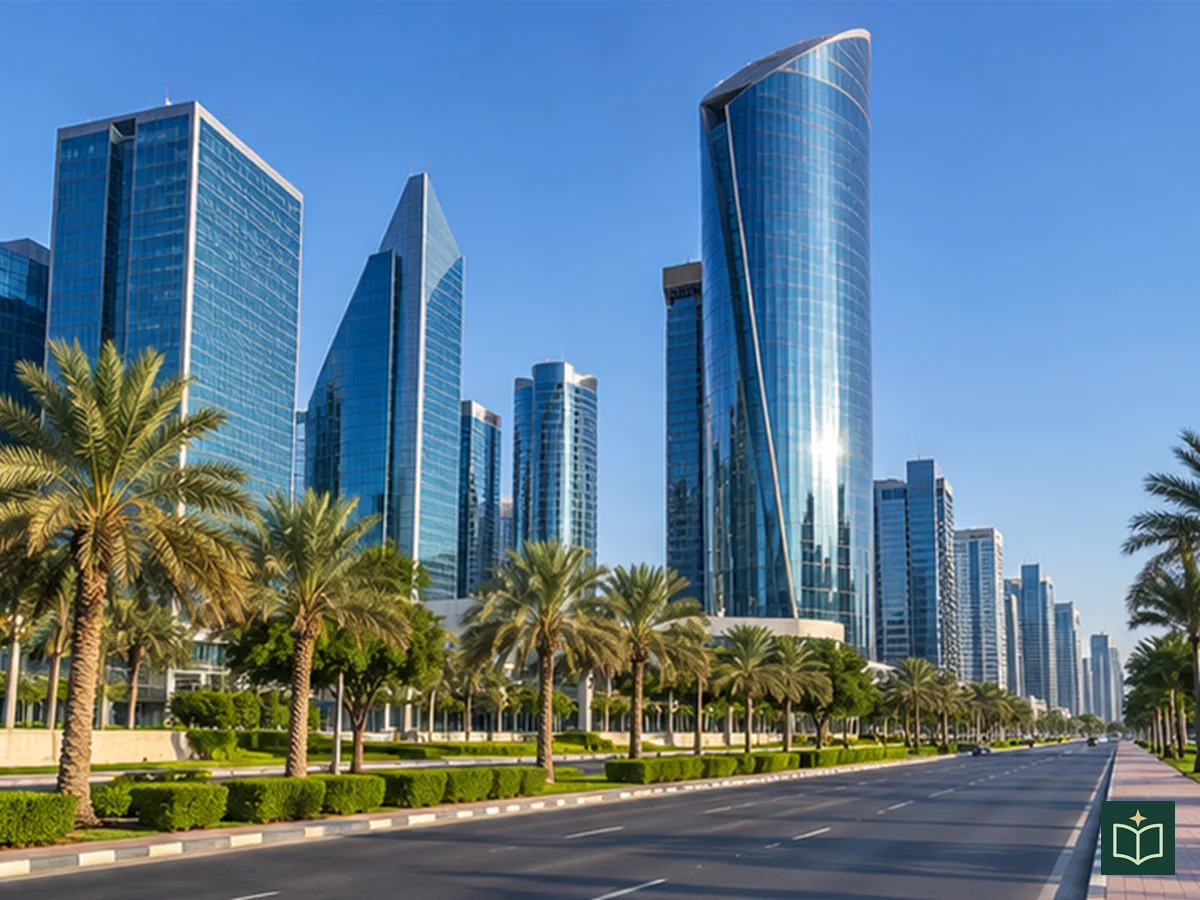
In the nineteenth and twentieth centuries many governments took waqfs under state control, and in several countries family waqfs were abolished or restricted. Critics argued that rigid deeds and poor management left valuable property neglected. More recently, there has been a revival. Gulf states have created dedicated authorities: the UAE has a federal authority for Islamic affairs and endowments, Dubai has its own endowments foundation, and Saudi Arabia established a General Authority for Awqaf in 2016. Public campaigns, such as Dubai's 1 Billion Meals Endowment in 2023, have invited individuals and companies to contribute to large charitable endowments. Digital platforms now allow small donations.
How the income works
The financial logic is that of any endowment. Suppose a benefactor dedicates a commercial building worth AED 1,000,000 that earns a net rent of 6% a year. The waqf then generates about AED 60,000 a year, which might fund scholarships or the running costs of a school, while the building itself is preserved. Its value must be maintained, so part of the income may be reserved for repairs. Modern waqfs also accept cash, which can be invested in Sharia-compliant ways, and some institutions have issued sukuk to finance building on waqf land, sharing the income between investors and the endowment. These structures aim to unlock idle waqf land.
Why it matters now
Waqf offers a way to fund health, education and social welfare that is independent of annual government budgets and lasts beyond any single donor. It shares features with university endowments and charitable foundations in the West, whose purpose is also to spend income while preserving capital. Its challenges are similar too: keeping assets productive, ensuring transparent management and adapting old purposes to new needs. Clear regulation, professional management and digital platforms for small contributions are central to the current revival in the Gulf. This article describes the institution in general terms and is not religious or legal advice for any donor.
Sources & further reading
Figures are rounded and widely published; check the linked organisations for the latest editions. These organisations do not endorse this website.