Why alert levels exist
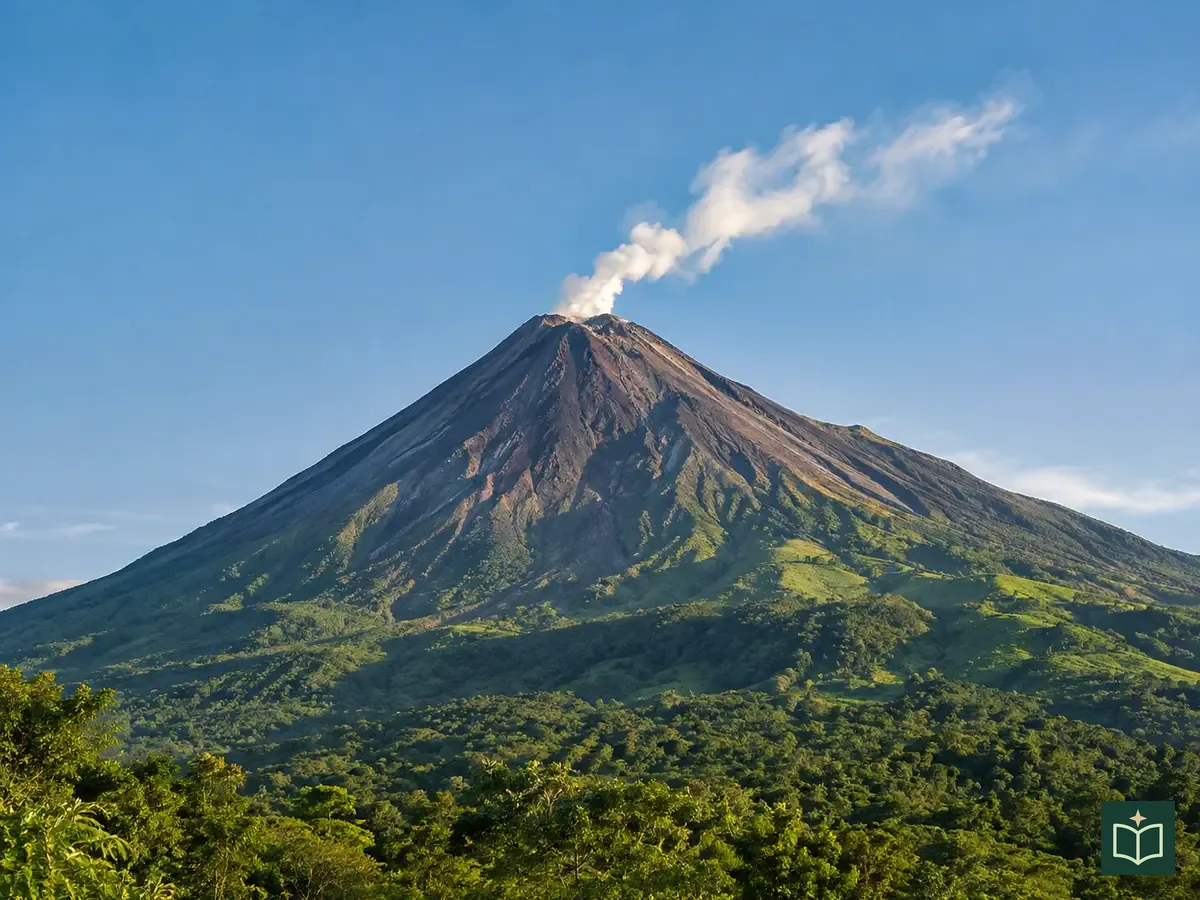
Volcanoes rarely erupt without warning. Before most eruptions, rising magma cracks rock, causing small earthquakes, swelling the ground and releasing gases such as sulphur dioxide. Volcano observatories monitor these signs and translate them into simple alert levels that authorities, residents and airlines can act on. The aim is to communicate changes in risk clearly without requiring the public to interpret raw scientific data. Each country sets its own system, so wording differs. What they share is an escalating scale, from normal background activity to an eruption under way, with guidance attached to each step about access restrictions, preparation and, at the highest levels, evacuation.
The ground-based scale
In the United States, the Geological Survey uses four levels for people on the ground. Normal means the volcano is in its typical background state. Advisory means elevated unrest above background. Watch means heightened or escalating unrest with an increased potential for eruption, or a minor eruption under way. Warning means a hazardous eruption is imminent, under way or suspected. Japan's Meteorological Agency uses five numbered levels linked to specific actions, from caution near the crater to evacuation of residential areas. Indonesia, the Philippines and Iceland run their own systems. Headlines often quote these levels without explaining that each country's scale is different.
The aviation colour code
Alongside ground alerts, many observatories issue a colour code for aviation, following international guidance. Green means normal; yellow, signs of elevated unrest; orange, heightened unrest or an eruption with little or no ash; red, an eruption is imminent or under way with significant ash emissions expected. Volcanic ash is dangerous to aircraft because it can melt inside jet engines and cause them to fail, and it scours windscreens and damages instruments. Nine Volcanic Ash Advisory Centres around the world track ash clouds and advise airlines. When the colour code changes, flight routes and airspace may be adjusted far from the volcano itself.
Lessons from past eruptions
In 1991, monitoring at Mount Pinatubo in the Philippines allowed scientists to raise alerts in stages, and tens of thousands of people were evacuated before one of the largest eruptions of the twentieth century; the evacuations are credited with saving many thousands of lives. In 2010, a comparatively modest eruption of Eyjafjallajökull in Iceland sent ash across European airspace, cancelling around 100,000 flights over several days and stranding travellers worldwide, including passengers connecting through Gulf hubs. The episode led to revised rules on how much ash aircraft can safely encounter. Both cases show how monitoring and clear alerts shape decisions affecting millions.
The Arabian Peninsula
The UAE has no active volcanoes, but western Saudi Arabia contains large volcanic fields, known as harrats, formed by eruptions over millions of years. In 2009, a swarm of earthquakes beneath Harrat Lunayyir, linked to magma moving underground, led Saudi authorities to evacuate tens of thousands of people as a precaution. No eruption followed, and the magma stalled below the surface. The episode illustrates a recurring challenge: unrest does not always end in an eruption. Scientists must balance the cost of disruption against the risk of being caught unprepared, and they generally err on the side of caution when lives may be at stake.
Reading the headline
When a volcano alert makes the news, check which scale is being quoted, ground or aviation, and which agency issued it. Note what changed to prompt the move, such as increased earthquakes or gas emissions, and what restrictions or advice accompany it. Remember that a raised level indicates heightened unrest, not a forecast of a specific eruption date. Many volcanoes stay at elevated levels for months before returning to normal. Travellers can check with airlines about disruption, since ash clouds depend on winds as well as the eruption. Official observatories are the most reliable source, as social media rumours often exaggerate the danger.
Sources & further reading
Figures are rounded and widely published; check the linked organisations for the latest editions. These organisations do not endorse this website.