What a free zone is
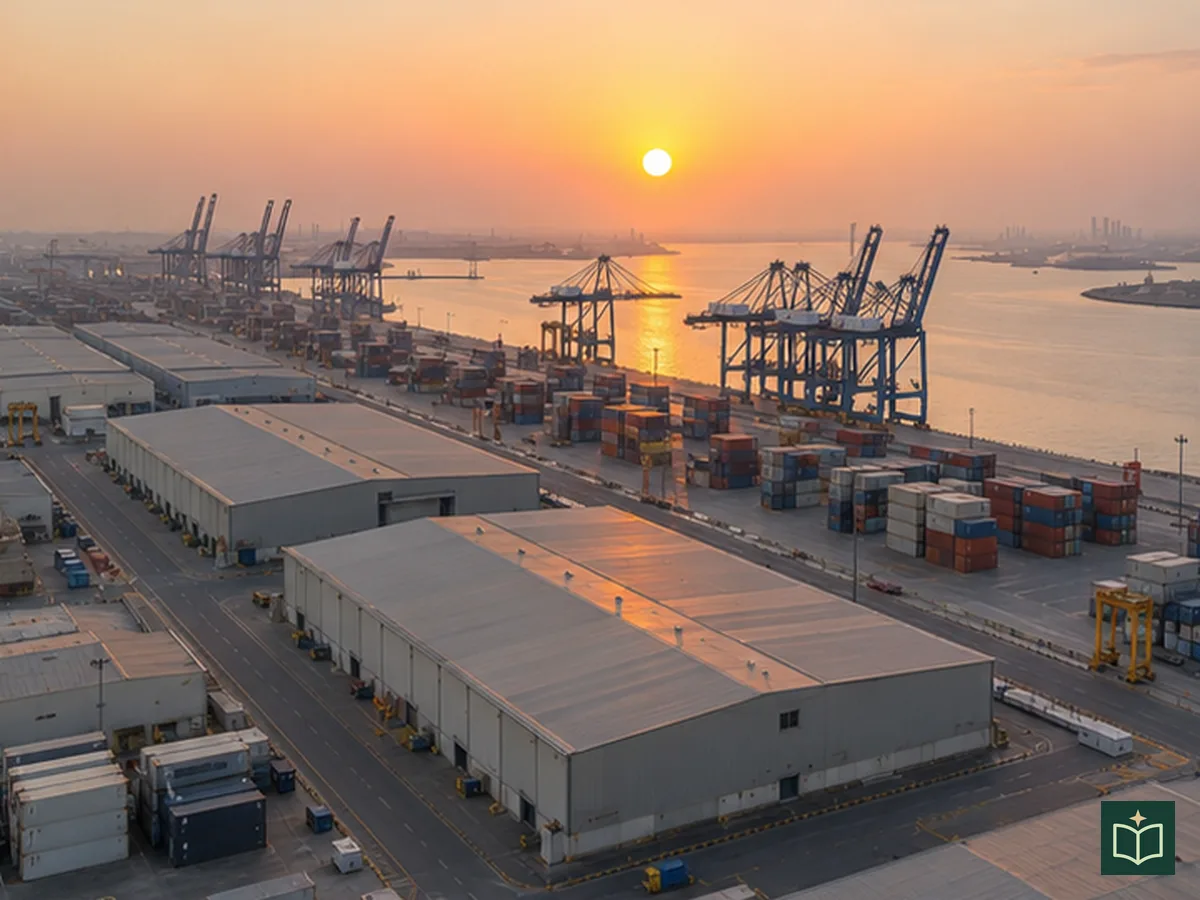
A free zone is a defined geographical area with its own regulatory authority, rules for setting up companies and special customs treatment. Goods brought into a free zone from abroad are generally treated as outside the UAE's customs territory, so they can be stored, processed and re-exported without paying import duty. The model began in the UAE with Jebel Ali Free Zone in Dubai, established in 1985 next to one of the region's largest ports. Today the country has more than 40 free zones, some broad, others focused on a sector such as media, technology, healthcare, education, commodities or finance. Each emirate decides on its own zones within the federal framework.
The main advantages
Free zones were created to attract foreign investment, and their offer reflects that. For decades they were the main way for foreigners to own 100% of a UAE company, at a time when mainland firms usually required a UAE national partner. Setting up is often quick, with packages that bundle a licence, office or warehouse space and residence visas. Capital can be repatriated freely. Many zones provide ready-built facilities next to ports or airports. Financial free zones, the DIFC in Dubai and ADGM in Abu Dhabi, go further, with their own civil and commercial laws based on English common law, independent courts and separate financial regulators.
Customs and tax
The customs benefit is central for traders. A company in a free zone can import goods from abroad and re-export them to other countries without paying UAE customs duty, which in the UAE generally follows the GCC common tariff of 5% on most goods. Under the UAE's corporate tax regime introduced in 2023, free-zone companies that meet the conditions to be a qualifying free zone person can pay 0% on qualifying income, while other income is taxed at the standard 9%. The conditions include having adequate substance in the zone and meeting rules on the type of income earned. Advice on the specific rules and current guidance is essential.
Selling into the mainland
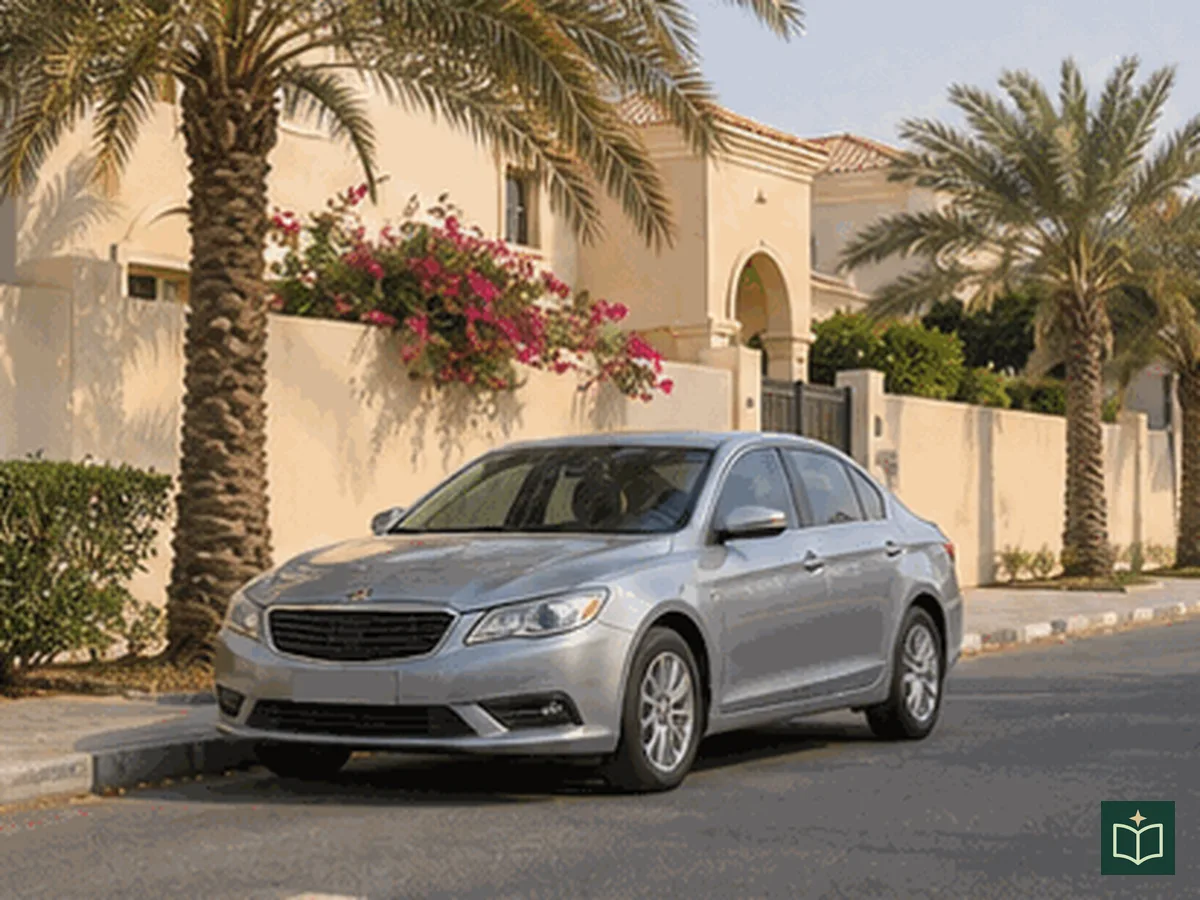
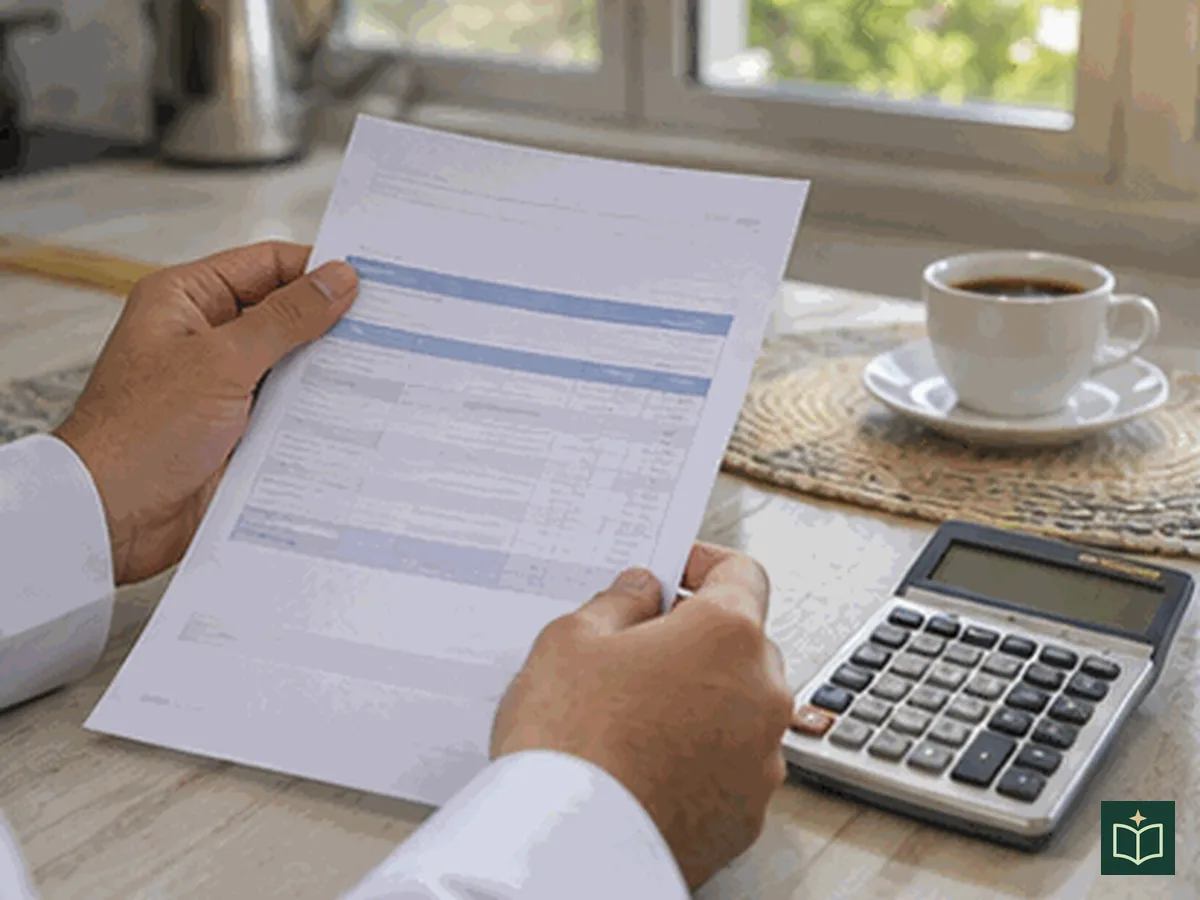
The main limit is the boundary with the rest of the UAE. A free-zone licence generally permits business within the zone and internationally, not direct trading across the mainland. When goods move from a free zone into the mainland, they are treated as imports. For example, goods worth AED 200,000 entering the mainland would typically attract 5% customs duty of AED 10,000, and then 5% import VAT on the duty-inclusive value of AED 210,000, a further AED 10,500. Free-zone companies often appoint mainland distributors, open a mainland branch or hold an additional licence. Some emirates have introduced permits letting certain free-zone firms operate on the mainland. The figures here are illustrative.
A changing landscape
The case for choosing a free zone has shifted. Since 2021, amendments to the UAE's Commercial Companies Law have allowed full foreign ownership of mainland companies for most activities, removing what was once the free zones' biggest advantage. Corporate tax has added new compliance requirements, and federal rules on anti-money laundering and economic substance apply across zones. Free zones have responded by competing on cost, speed, sector specialisation and services. For a business, the decision now often comes down to its customers: firms that mainly import, re-export or serve international clients may prefer a free zone, while those selling mostly to UAE consumers may find a mainland licence simpler.
Why it matters
Free zones have been central to the UAE's economic strategy, helping turn Dubai and Abu Dhabi into regional hubs for trade, logistics, finance and media. They host tens of thousands of companies and a large share of the country's non-oil trade. For entrepreneurs, understanding the trade-offs between a free zone and a mainland company is one of the first practical decisions in setting up. Key questions include where customers are, whether goods will enter the mainland, which activities the licence must cover and how corporate tax will apply. Rules vary between zones and change over time, so this general overview is not legal or tax advice.
Sources & further reading
- UAE Government portal · Free zones ↗
- UAE Ministry of Finance · Corporate tax ↗
- UAE Federal Tax Authority ↗
Figures are rounded and widely published; check the linked organisations for the latest editions. These organisations do not endorse this website.