Volcanic origins
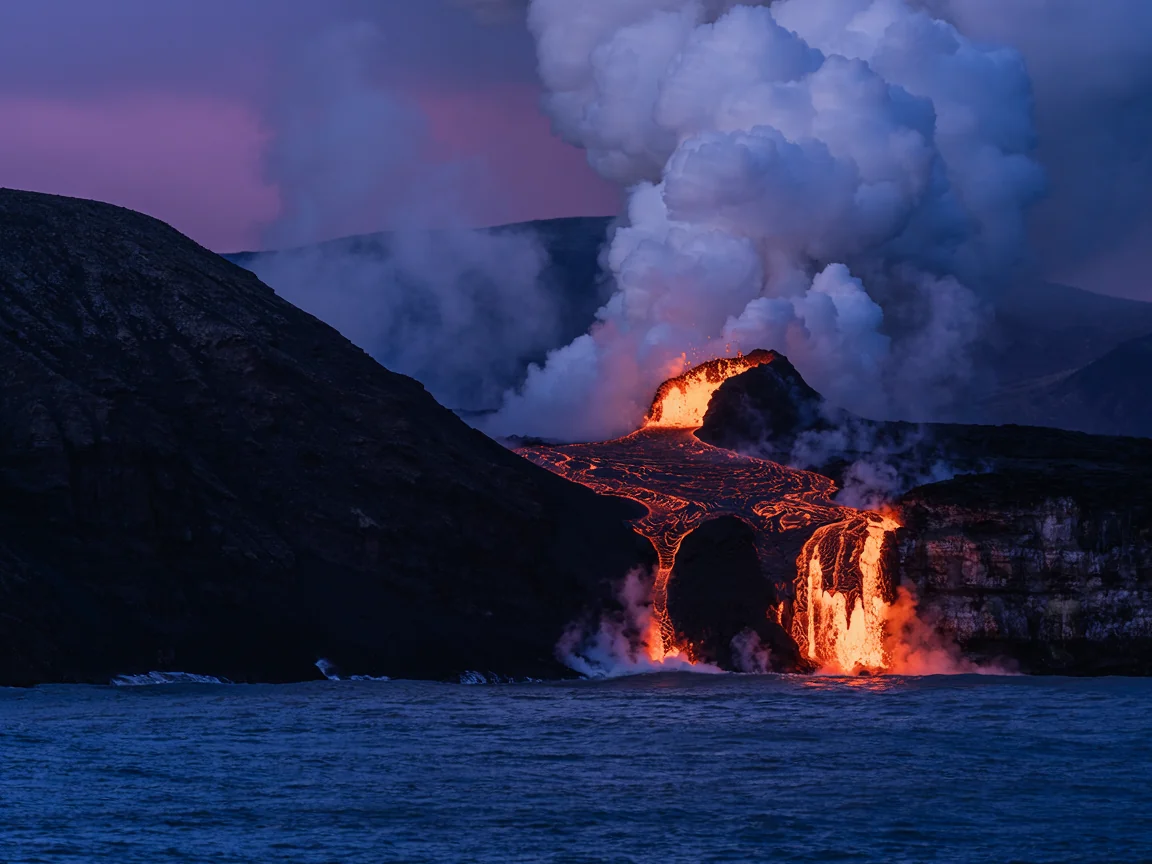
The islands formed over a hotspot, a plume of hot mantle rock, as the Nazca Plate moves east over it. Western islands are younger and still volcanically active, while eastern islands are older and more eroded.
Darwin's visit
Charles Darwin spent about five weeks in the islands in 1835 aboard HMS Beagle. Variations among mockingbirds, tortoises and finches on different islands later helped him develop his theory of evolution by natural selection, published in 1859.
Unique wildlife
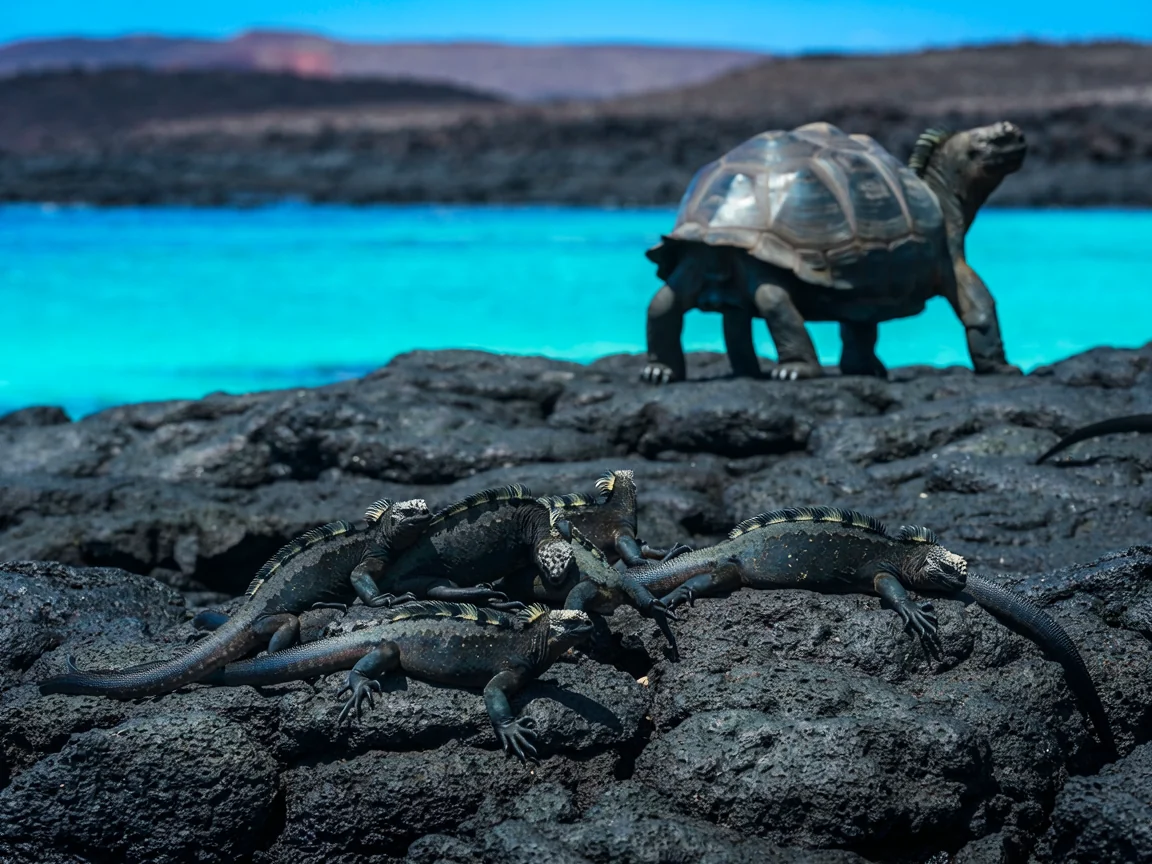
Isolation and ocean currents bringing cold, nutrient-rich water support remarkable species, including giant tortoises, marine iguanas, Galápagos penguins and sea lions. Many animals show little fear of humans.
Protection
Most of the land is a national park, and the surrounding waters are a large marine reserve. Invasive species, tourism and fishing pressure are managed carefully. The islands were among the first UNESCO World Heritage Sites, listed in 1978.
Sources & further reading
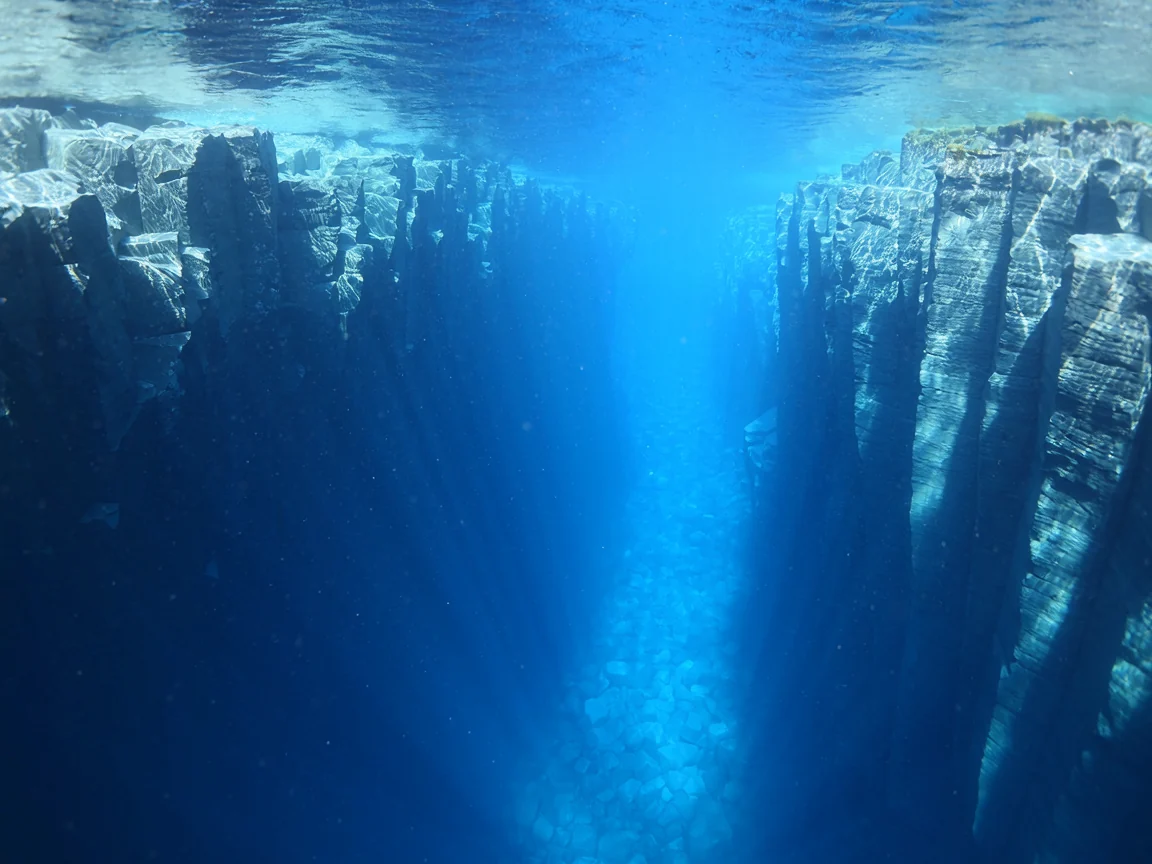
Photograph: original AI-generated illustration (Adobe Firefly). Reference organisations do not endorse this website.