Origins
In 2013 Xi Jinping proposed a Silk Road Economic Belt across Central Asia and a 21st-Century Maritime Silk Road through Southeast Asia and the Indian Ocean. The two ideas were combined into the Belt and Road Initiative, now written into China's party constitution.
How it works
Projects are usually financed by Chinese state banks, such as the China Development Bank and the Export-Import Bank of China, and built by Chinese companies. Many partner countries have signed memorandums of understanding to cooperate under the initiative.
Benefits and concerns
The initiative has funded railways, ports and power plants in places that struggled to attract investment. Critics raise concerns about loan terms, transparency, environmental impact and whether some countries can repay. The term debt-trap diplomacy is disputed by many researchers.
Shifting course
After a peak in lending in the late 2010s, Chinese overseas lending declined, and Beijing has emphasised smaller projects, green energy and high-quality cooperation. Some partner countries have renegotiated or cancelled projects.
Sources & further reading
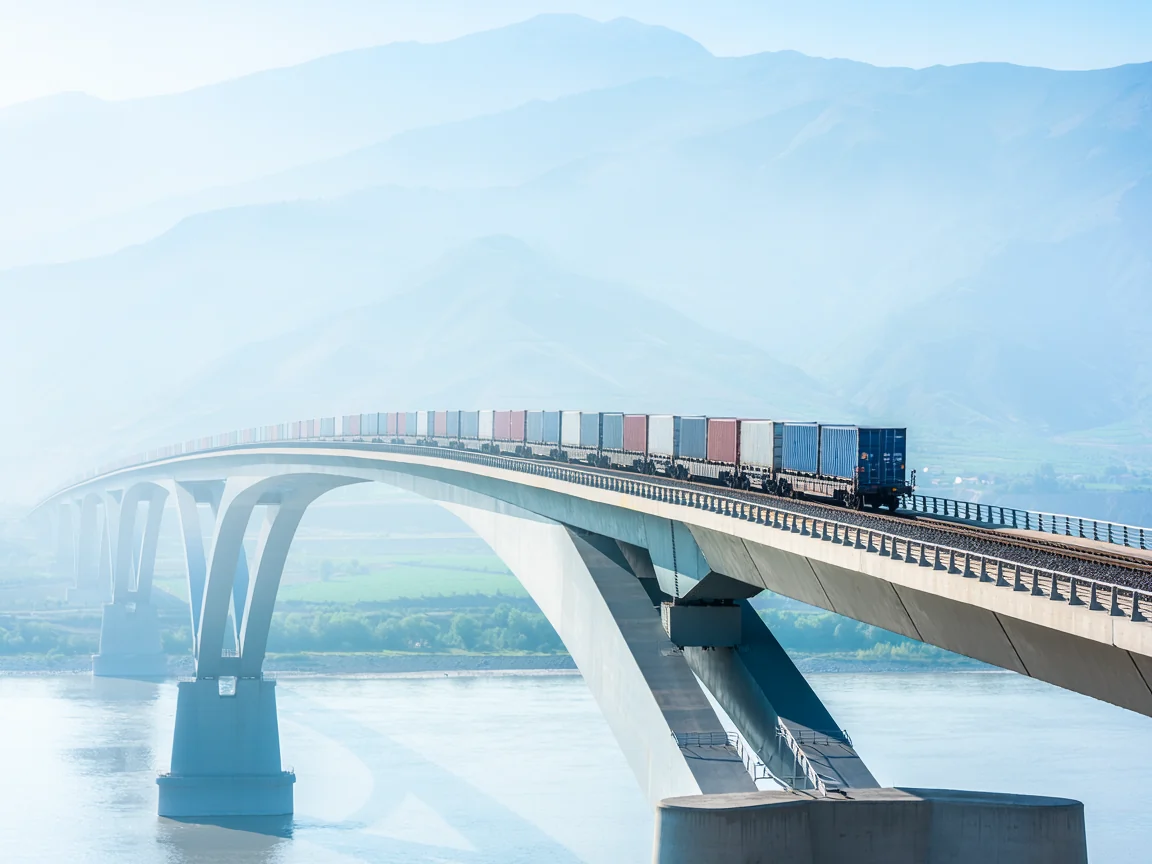
Photograph: original AI-generated illustration (Adobe Firefly). Reference organisations do not endorse this website.