Two ways to organise power
Every democratic system must answer a basic question: how does the government relate to the elected legislature? Political scientists group most answers into two models. In a parliamentary system, voters elect a parliament, and the government, led by a prime minister, emerges from it and remains in office only while it keeps the parliament’s confidence. In a presidential system, voters elect the president separately, for a fixed term, and the president leads the executive independently of the legislature. Many countries combine elements of both. Neither model is inherently more democratic; each distributes power and accountability differently, and each has evolved through particular national histories and constitutional choices.
How parliamentary systems work
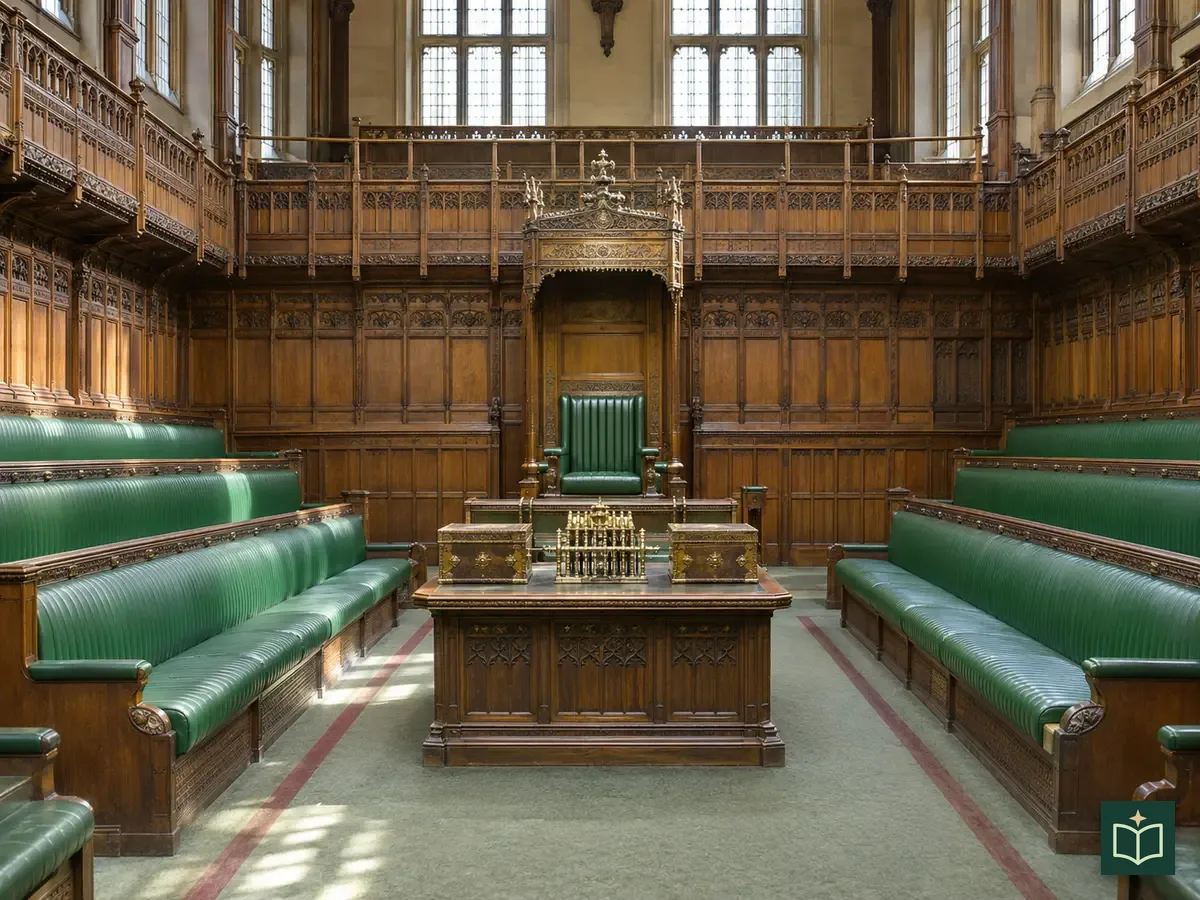
In the United Kingdom, Canada, India, Japan and many other countries, the head of government is usually the leader of the party or coalition that can command a majority in parliament. Ministers are typically drawn from parliament and answer questions there. If the government loses a vote of confidence, it must usually resign or call an election. The head of state, whether a monarch or a largely ceremonial president, is a separate figure with mostly formal powers. This fusion of executive and legislature can make it easier for governments with clear majorities to pass laws, but it can also lead to instability when majorities are narrow or coalitions fragile.
How presidential systems work
The United States is the classic presidential system, and many countries in Latin America follow similar designs. The president is both head of state and head of government, elected for a fixed term, and appoints a cabinet that does not usually sit in the legislature. Congress cannot remove the president through a simple vote of no confidence; removal requires an exceptional process such as impeachment and conviction for serious misconduct. This separation of powers creates checks and balances, because laws need agreement between independently elected branches. It can also produce gridlock when the presidency and legislature are controlled by opposing parties, with no simple mechanism to resolve the deadlock.
Hybrid systems
Some countries use semi-presidential systems, combining an elected president with a prime minister responsible to parliament. France is the best-known example: the president, directly elected, holds significant powers, especially in foreign and defence policy, while the prime minister leads the government and needs the National Assembly’s support. When the president and parliamentary majority come from opposing camps, the French describe the arrangement as cohabitation. Other countries mix features differently, and there are also systems outside these democratic models, including monarchies where executive authority rests with the ruler. Gulf states, for example, have their own constitutional arrangements, with appointed or partly elected consultative councils playing advisory and legislative roles.
Common misconceptions
It is easy to assume that a country with a president must be presidential. Germany, India and Israel all have presidents, but their roles are largely ceremonial, and real executive power lies with a prime minister or chancellor accountable to parliament. Equally, a monarchy can be fully parliamentary, as in the United Kingdom, Japan and the Netherlands. Another misconception is that parliamentary leaders are directly elected by the public. Voters choose members of parliament, and the leader becomes prime minister by commanding parliamentary support, which is why a prime minister can change between elections if a governing party chooses a new leader.
Why it matters
The system of government explains many headlines. A parliamentary government that loses a confidence vote may fall overnight, while a president facing a hostile legislature stays in office but may struggle to pass legislation. Coalition negotiations after an election are typical of parliamentary systems with proportional voting, while divided government is typical of presidential systems. Researchers have long debated which model better supports stable democracy, with evidence pointing to the importance of party systems, courts and political culture as well as constitutional design. Knowing which model applies helps readers judge whether a political crisis is unusual or simply a normal feature of that country’s rules.
Sources & further reading
- Britannica · Parliamentary system ↗
- Britannica · Presidential system ↗
- Inter-Parliamentary Union · Parline database ↗
Figures are rounded and widely published; check the linked organisations for the latest editions. These organisations do not endorse this website.