What the forum is
The Pacific Islands Forum is the main political organisation of the Pacific region. It was founded in 1971 as the South Pacific Forum, when leaders of newly independent and self-governing island states wanted a body where they could discuss regional issues on their own terms. It took its present name in 2000. Its 18 members include Australia, New Zealand, Fiji, Papua New Guinea, Samoa, Tonga, Solomon Islands, Vanuatu, Kiribati, Tuvalu, Nauru, Palau, the Marshall Islands, the Federated States of Micronesia, the Cook Islands and Niue, along with French Polynesia and New Caledonia, which became full members in 2016. Its secretariat is based in Suva, Fiji.
How decisions are made
The forum's highest body is the annual Forum Leaders Meeting, hosted in turn by member countries. Decisions are reached by consensus, reflecting a regional preference for dialogue and agreement, sometimes described as the Pacific Way. Outcomes are set out in a communiqué and in declarations on specific themes. Foreign, economic and other ministers meet between summits, and the Secretary General leads the secretariat in implementing decisions. After the leaders' meeting, the forum holds a dialogue with partners, a group of more than twenty countries and organisations from outside the region with interests in the Pacific. These sessions allow island governments to raise priorities with major donors and powers.
Fisheries and the ocean
The ocean is the region's central economic asset. Members' exclusive economic zones together cover a vast area of the Pacific, and the western and central Pacific supplies around half of the world's tuna catch. Many island governments depend heavily on fees paid by foreign fleets for access to these waters. A specialised body, the Pacific Islands Forum Fisheries Agency, set up in 1979 and based in Honiara, helps members manage fisheries, share data and monitor vessels. Cooperation among groups of members has strengthened their bargaining power, for example through schemes that sell fishing days rather than catches, raising revenues significantly for some of the smallest economies in the world.
Climate and the Blue Pacific
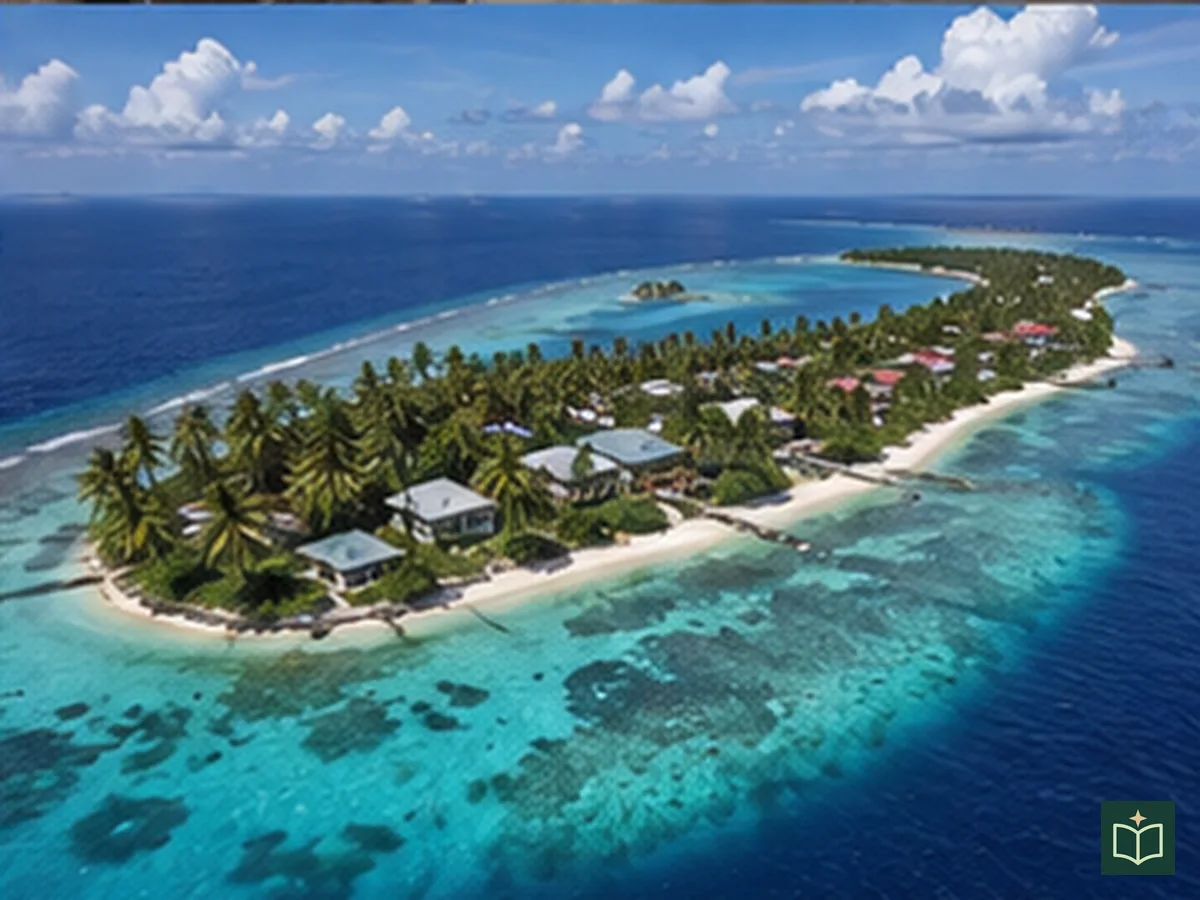
For many members, climate change is an existential issue. Low-lying atoll nations such as Tuvalu, Kiribati and the Marshall Islands face rising seas, coastal erosion and saltwater intrusion into fresh water. In the 2018 Boe Declaration, leaders described climate change as the single greatest threat to the livelihoods, security and wellbeing of the peoples of the Pacific. In 2022 they adopted the 2050 Strategy for the Blue Pacific Continent, which frames the region as one connected ocean community. Members have also pushed issues onto the global agenda, notably when Vanuatu led a General Assembly request for an International Court of Justice advisory opinion on climate obligations.
Security and unity
The forum also has a security role. The 1985 Treaty of Rarotonga created a South Pacific nuclear-free zone, reflecting the region's experience of nuclear testing. The 2000 Biketawa Declaration provides a framework for regional responses to crises, and it underpinned the Regional Assistance Mission to Solomon Islands from 2003 to 2017. Unity has sometimes been tested. In 2021 several Micronesian members announced their withdrawal after a dispute over the selection of the Secretary General; the Suva Agreement of 2022 addressed their concerns, and Kiribati rejoined fully in 2023. Fiji's participation was suspended between 2009 and 2014 after a military takeover, before being restored following elections.
Why it matters
The Pacific is a region of small populations but enormous ocean territory, rich fisheries and growing strategic interest from larger powers. The forum allows island states to set regional priorities collectively, rather than responding one by one to outside proposals on aid, security or seabed resources. Its consensus decisions carry weight in international negotiations, especially on climate change and ocean governance, where island countries have long been among the most active advocates. When news reports describe a Pacific leaders' meeting, the useful questions are what the communiqué commits members to, which partners were involved and whether unity among the members held on the most contested issues.
Sources & further reading
Figures are rounded and widely published; check the linked organisations for the latest editions. These organisations do not endorse this website.