What open banking is
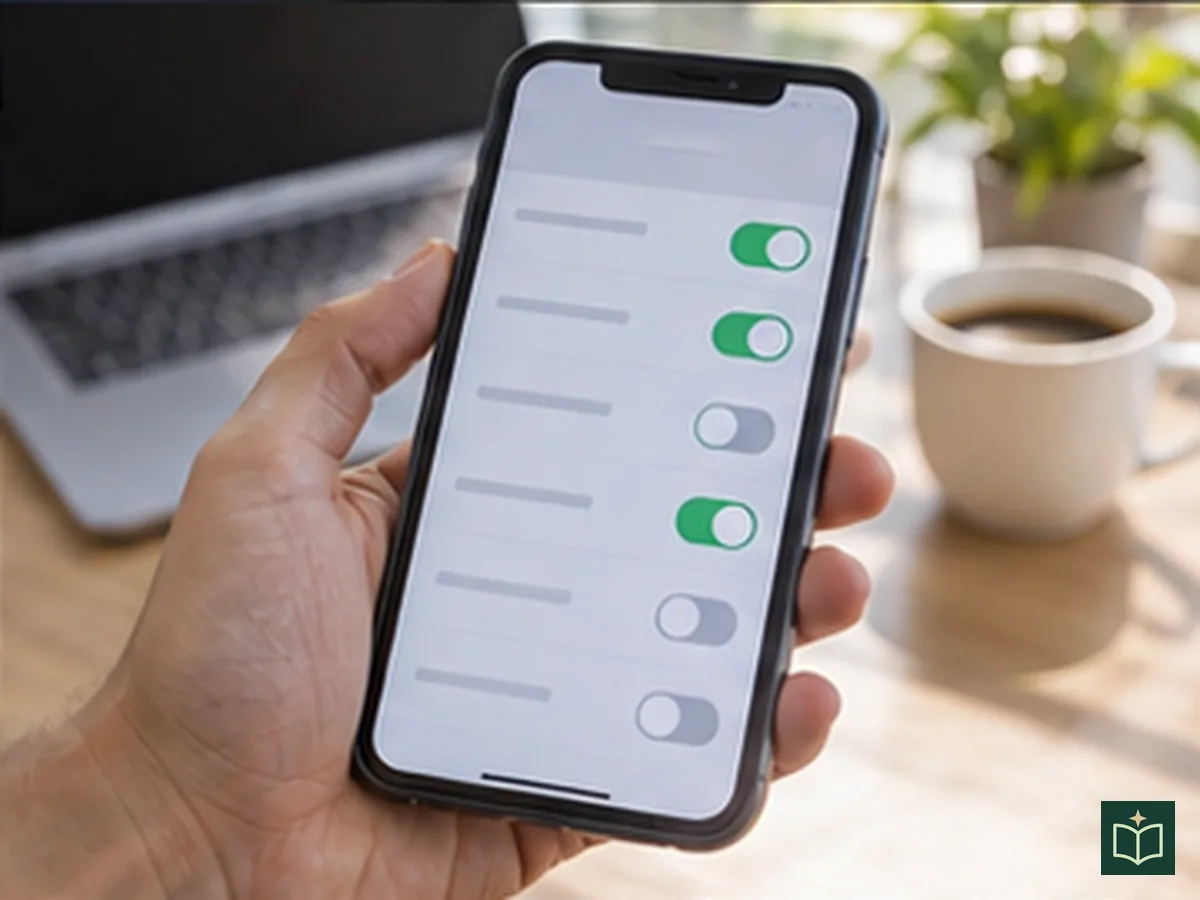
Open banking is a set of rules and technical standards that let customers instruct their bank to share account information with other licensed companies, or to make payments on their behalf through those companies. Traditionally, a bank held a customer's transaction history and controlled access to their payments, which made it hard for competitors to offer services built on that data. Open banking reverses the default. The data is treated as belonging to the customer, who can grant access to a budgeting app, a lender or a payment provider. The access is limited, time-bound and revocable, and it happens through secure application programming interfaces, or APIs, rather than through shared passwords.
How the connection works
In a typical case, a customer using a budgeting app selects their bank and the app explains what it wants: perhaps 90 days of read-only access to balances and transactions. The customer is redirected to their bank's own app or website, logs in there, and confirms the request. The bank then issues a secure token to the third party, which can use the API to fetch only the permitted data. The app never sees the customer's banking password. Before open banking, many apps relied on 'screen scraping', asking customers to hand over login details so software could read their online banking pages, a practice that was less secure and harder to control.
Two main services
Regulations usually distinguish two kinds of service. Account information services read data: they might aggregate accounts from several banks into one view, analyse spending, or let a lender verify income and outgoings quickly instead of asking for months of printed statements. Payment initiation services move money: they let a customer pay a merchant or another person directly from their bank account, authorised in the bank's app, without a card. That can lower merchants' costs compared with card payments and speed up settlement. The wider concept, open finance, extends the same approach beyond current accounts to savings, pensions, insurance and investments, though progress there has been slower.
Where it began
The European Union's revised Payment Services Directive, known as PSD2, applied from 13 January 2018 and required banks to give licensed third parties access to payment accounts. The United Kingdom went further, after its competition authority ordered the largest banks to build common, standardised APIs, launched the same day. Australia, Brazil, India and others have developed their own versions; India's account aggregator system is one prominent example. In the Gulf, Bahrain was an early mover, and Saudi Arabia and the UAE have since issued open banking or open finance frameworks through their central banks. Approaches differ: some are mandated by regulators, while others are led by industry standards and market demand.
Risks and limits
Sharing data creates risks as well as benefits. A third party could misuse information, suffer a data breach or push customers towards products that do not suit them. Regulators therefore license providers, set security and data-protection requirements, and require clear consent that customers can withdraw at any time. Liability rules determine who repays a customer if an unauthorised payment occurs. Adoption has also been gradual. Many customers are unaware of open banking or wary of sharing data, and some bank APIs have been unreliable. Fraud is a concern too: fast account-to-account payments are harder to reverse than card payments, so scams that trick customers into authorising transfers remain a problem.
Why it matters
Open banking is reshaping how financial services are built. It lowers the barrier for new entrants, allowing fintech firms to offer budgeting tools, faster loan decisions or cheaper payments without first becoming banks. It can help people with thin credit histories, including recent expatriates, show lenders their real income and spending. It also pressures incumbent banks to improve their own apps. For customers, the practical rule is to share data only with authorised providers, check what is being requested and review permissions periodically. This article is general education, not financial advice. The shift is subtle but significant: control over financial data moves from institutions towards the people it describes.
Sources & further reading
- Open Banking Limited (UK) · What is open banking ↗
- European Commission · Payment services (PSD2) ↗
- Central Bank of the UAE ↗
Figures are rounded and widely published; check the linked organisations for the latest editions. These organisations do not endorse this website.