Sperm whale clicks
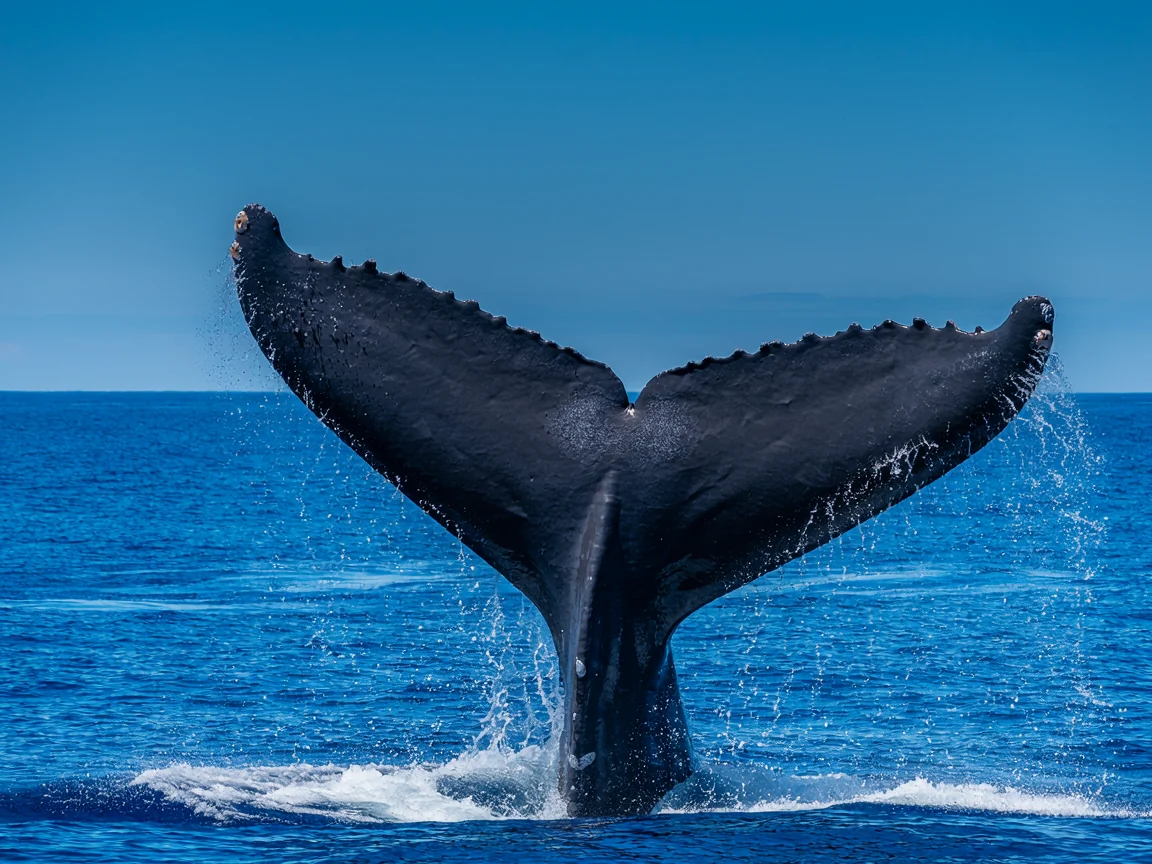
Sperm whales hunt squid in the dark depths using echolocation. They produce clicks in a huge organ in their heads filled with oil called spermaceti. These clicks are the loudest known biological sounds.
Snapping shrimp
Snapping shrimp, only a few centimetres long, snap a specialised claw shut so quickly that it creates a cavitation bubble. When the bubble collapses it produces a loud crack, a flash of light and a burst of heat. Colonies of shrimp create constant crackling in warm seas.
Great whales
Blue and fin whales make low-frequency calls that can travel hundreds of kilometres underwater. These calls are thought to help them find mates and keep in contact across vast distances.
Loud on land
In 2019 scientists measured the mating call of the white bellbird of the Amazon at about 125 decibels. Howler monkeys, whose roars carry for kilometres through forests, are among the loudest land mammals.
Sources & further reading
Decibel figures are approximate. Photograph: original AI-generated illustration (Adobe Firefly). Reference organisations do not endorse this website.