What an ice shelf is
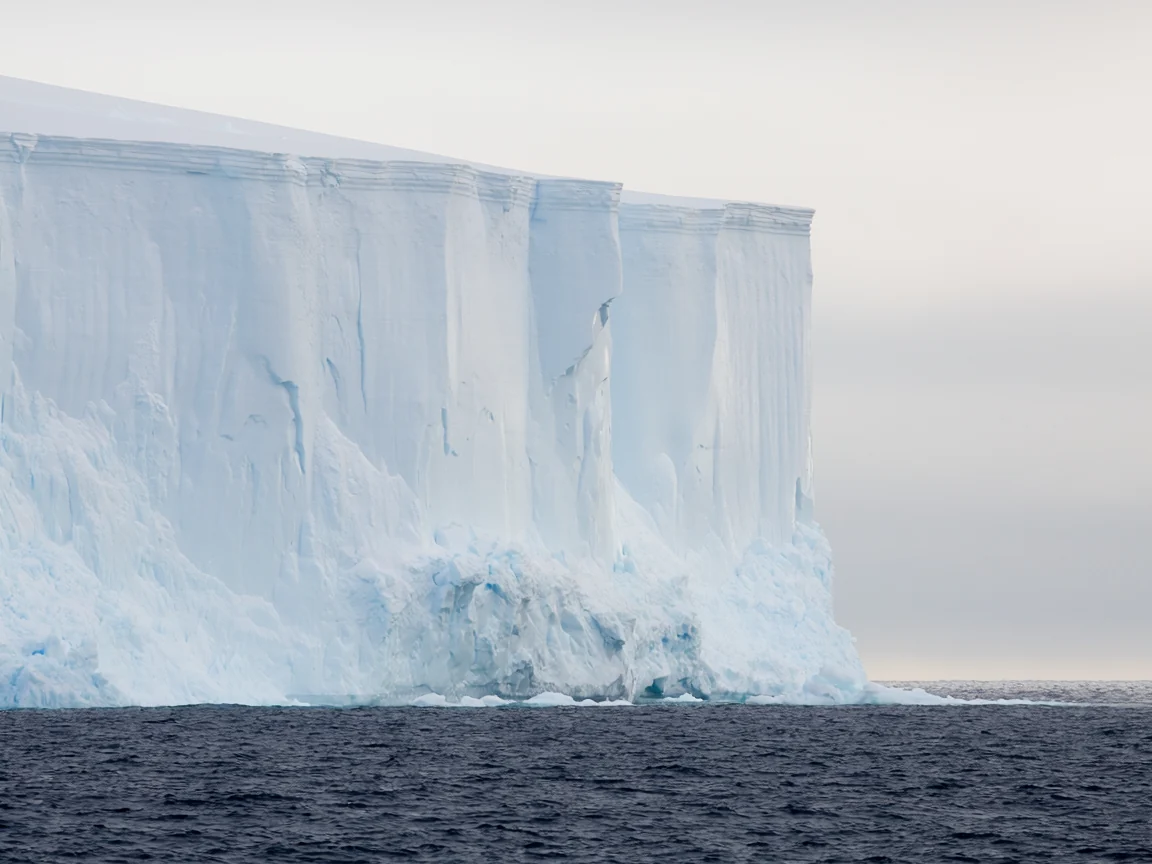
Antarctica's ice sheet slowly flows toward the coast. Where it meets the ocean, the ice can lift off the seabed and float while staying attached to the land, forming an ice shelf hundreds of metres thick.
The two giants
The Ross Ice Shelf, discovered by James Clark Ross in 1841, and the Filchner–Ronne Ice Shelf in the Weddell Sea are by far the largest. Together they cover nearly a million square kilometres.
Buttressing the continent
Ice shelves act like a cork in a bottle. They press against islands and seabed ridges, slowing the glaciers that feed them. When shelves collapse, as Larsen B did in 2002, the glaciers behind can speed up several times over.
Giant icebergs
The largest icebergs ever recorded broke off ice shelves. In 2000 the Ross Ice Shelf released B-15, about 11,000 km², and in 2017 Larsen C shed A-68, around 5,800 km².
Sources & further reading
Areas are approximate and change over time. Photograph: original AI-generated illustration (Adobe Firefly). Reference organisations do not endorse this website.