What an EEZ is
Under the 1982 UN Convention on the Law of the Sea, a coastal state has sovereign rights to explore and exploit resources within 200 nautical miles of its coast. Other countries keep freedom of navigation and overflight.
The island effect
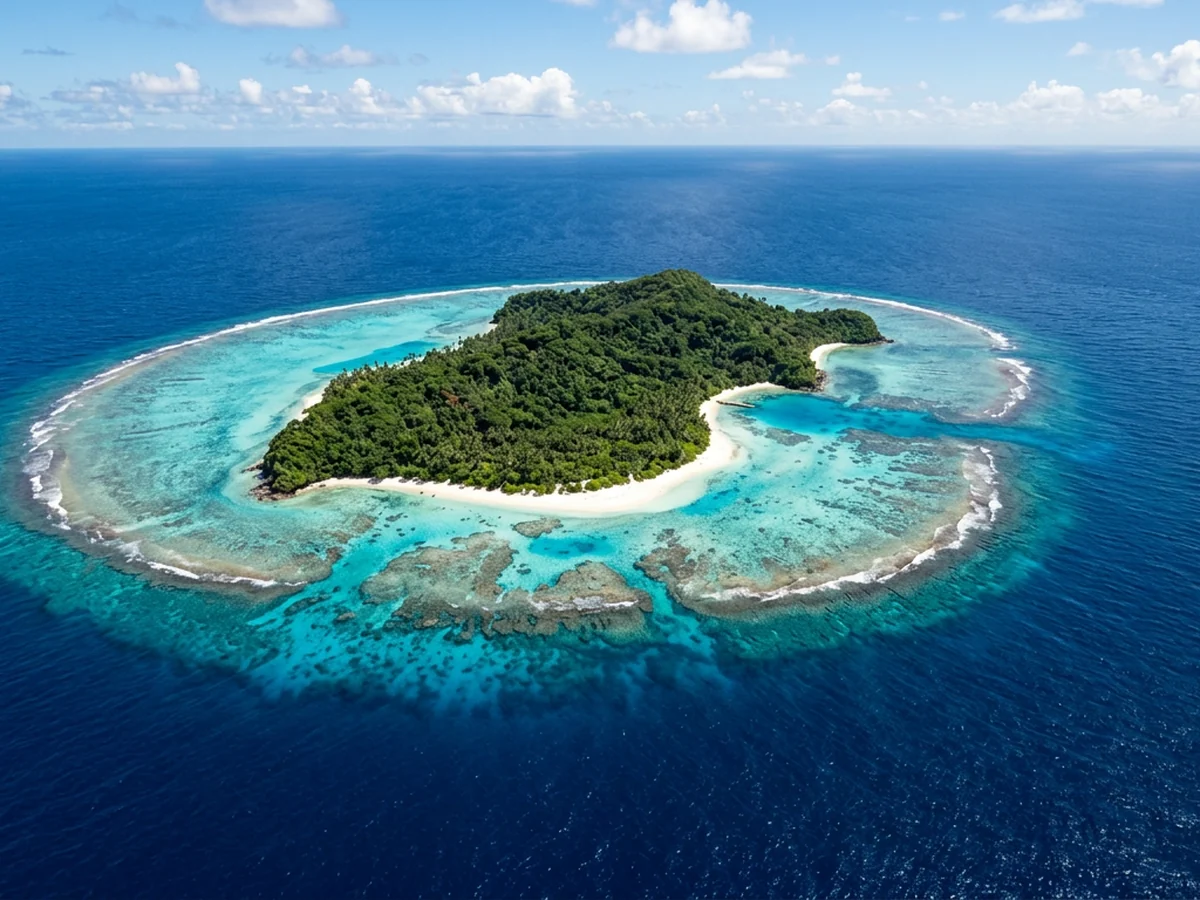
Every island capable of sustaining habitation can generate a full 200-mile zone. Remote islands such as Hawaii, French Polynesia and the British Pitcairn Islands add enormous areas of ocean.
Where zones overlap
When two countries' coasts are less than 400 nautical miles apart, they must divide the area between them. Such boundaries are often negotiated or settled by international courts.
Why it matters
EEZs control access to fisheries, offshore oil and gas, and potentially deep-sea minerals. Many countries also use them to create large marine protected areas.
Sources & further reading
Areas are approximate and depend on how disputed and claimed zones are counted. Photograph: original AI-generated illustration (Adobe Firefly). Reference organisations do not endorse this website.